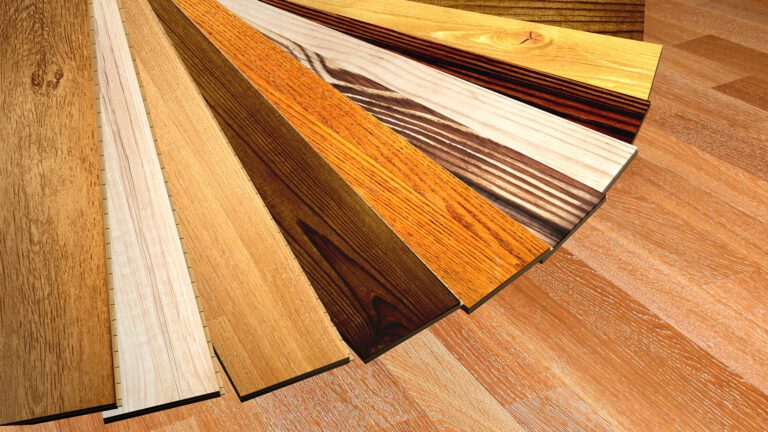
A common occurrence a homeowner will often have to deal with is when deciding to replace flooring after they start the tear-out and find an old hardwood floor. This is often beaten up, worn and may have water damaged areas. They are then forced to make a choice. You can cover the area with an LVP or Laminate flooring or patch any damage and have the wood refinished. But what are the benefits of covering the old wood versus saving it?
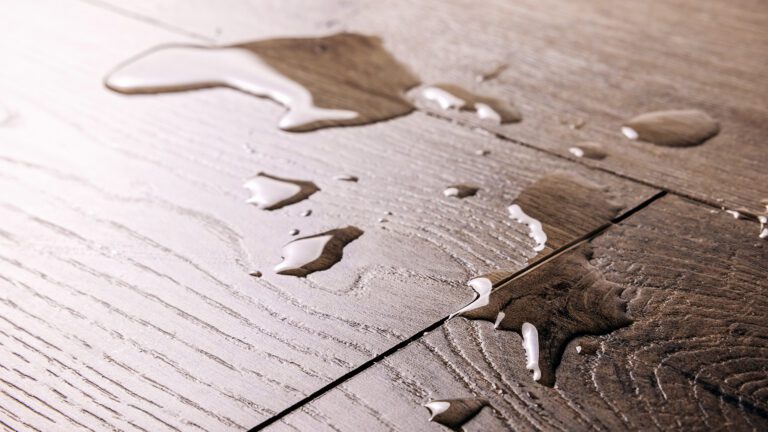
First thing to talk about would be if there is any water damaged areas and to what degree are the boards damaged. If it appears to be topical and only damages the finish but does not affect the stability of the board (no warping or buckling) then this can often be sanded off and refinished. If there is warping or buckling in the planks, replacing the individual boards with matching wood types and dimensions will be required. This can often be done without driving up the overall price of the project too high and will lead to a far better-looking and feeling floor. If the water damaged areas are more than 50% of the square foot of the area you are replacing, then deciding to go this route will be determined by other factors we will cover a bit later.
The next thing to talk about is if you are covering the wood. What flooring are you using and will the benefits and cost outweight the benefits and cost of the refinished wood for that specific area? Covering it with something like an LVP can give you an allowance for high moisture that natural wood does not, as LVP can be waterproof. Saying that just because the LVP is waterproof does not mean that your house is. Depending on the room, if you get a flood, the water will get below the LVP and you will have to pull it to replace the subfloor and your LVP will no longer have a warranty. LVP is also often far less durable than Wood flooring or even Lamanite flooring.
Lamanite is another popular choice for home installations. They offer higher durability than an LVP and offer high moisture resistance warranties, some allowing up to 96hrs of stagnated water before delamination. Other factors can also play a part like matching height to other existing materials that are not being removed, or changing the room’s intended use.
There are pros and cons for all options so make sure you take them all into consideration.
Lastly to consider, is that natural hard wood flooring increases the home’s value. Refinishing the wood is often times cheaper than covering it with a LVP or Lamanite flooring after considering all factors like prep work, shipping and materials. Additionally, wood floors can be refinished multiple times, allowing for a far longer life span for the existing floor than new Lamanite or LVP floorings. LVP and Lamanites are popular due to the ease of installation and general cost being lower than a new wood installation and finish to imitate the wood look. If you already have the wood and can just do the refinishing to get the same result and help the home’s value, that will always be our recommendation.
Any content, resident submissions, guest columns, advertisements, and advertorials are not necessarily endorsed by or represent the views of Best Version Media LLC (BVM) or any municipality, homeowners associations, businesses, or organizations that this publication serves. BVM is not responsible for the reliability, suitability, or timeliness of any content submitted, inclusive of materials generated or composed through artificial intelligence (AI). All content submitted is done so at the sole discretion of the submitting party.