

Almost every move-up buyer runs into this question eventually, and almost nobody thinks it through before it becomes urgent: Do you sell your current home first, then go find the next one? Or do you find the next one first, then worry about selling?
Most people default to whichever path feels less scary in the moment, without realizing each option comes with trade-offs worth understanding ahead of time.
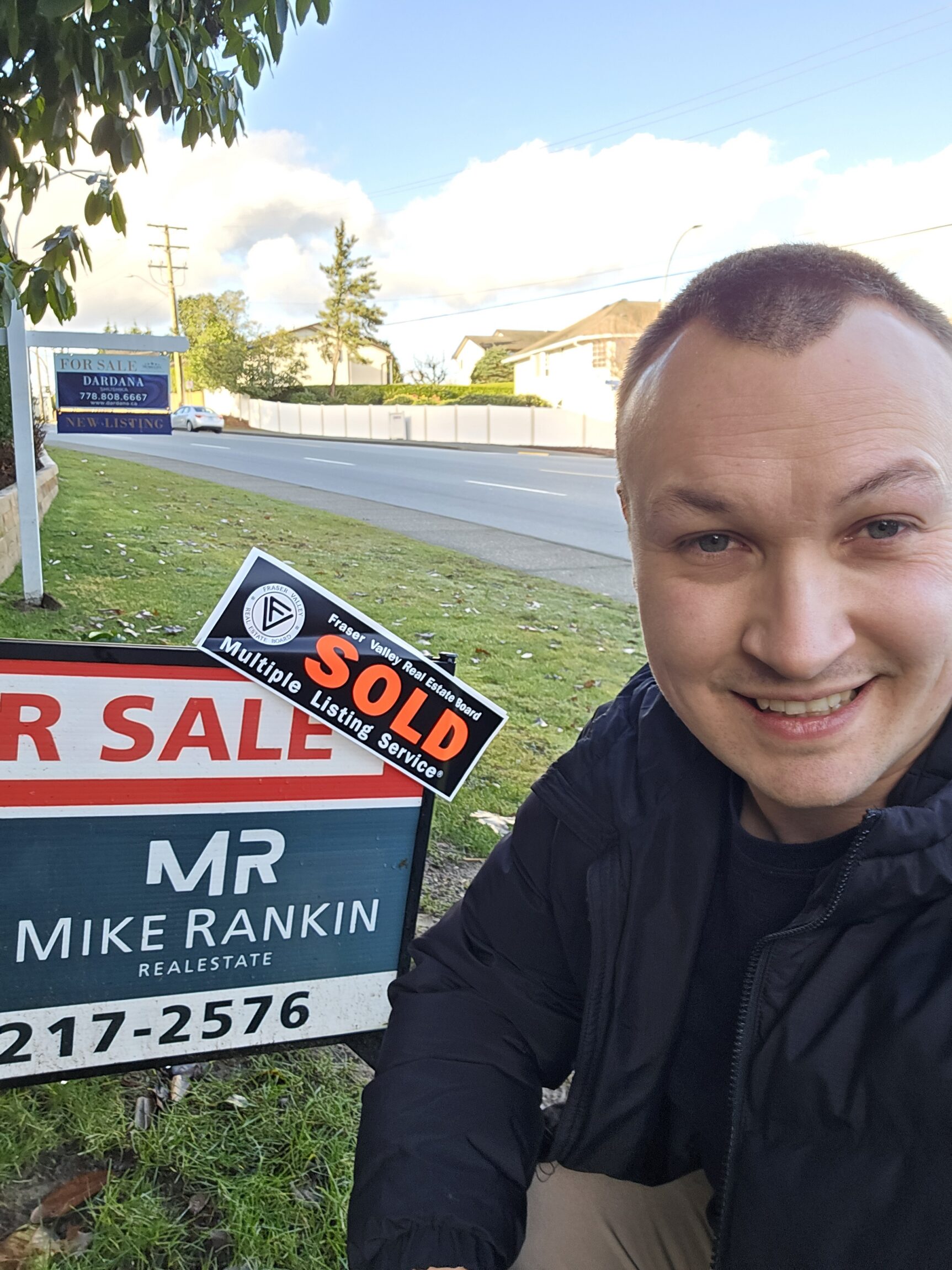
Submitted photo
Option 1: Selling First (Safest Financially). Selling first is the conservative route. You know your exact budget, avoid the risk of carrying two mortgages, and negotiate without a ticking clock over your head.
- The Tradeoff: Timing pressure on the purchase end. Once your home sells, you may need temporary housing, a short rent-back, or a stay with family while you shop. It’s financially safe, but it can mean living in limbo.
Option 2: Buying First (Less Day-to-Day Disruption). Buying first solves the transitional housing problem. You secure your next home and move on your own timeline.
- The Tradeoff: Real financial uncertainty. Unless you have liquid cash to cover both properties, you’ll likely need either a subject-to-sale condition on your offer (which can weaken your position in a competitive market) or access to short-term financing like a bridge loan or HELOC (Home Equity Line of Credit). Buying first feels easier day-to-day, but asks you to carry more financial exposure.
Option 3: The Rent-Back Agreement. With a rent-back agreement, you sell your home but stay on as a tenant for an agreed period post-closing. This bridges the gap without the expense of a bridge loan, though it depends on finding a buyer willing to accept those terms.
Finding Your Strategy: There is no single right answer. It comes down to your equity, your risk tolerance, and local market conditions:
- Higher equity & flexible timeline: Buying first may cause minimal strain.
- Tighter budget or volatile market: Selling first protects your capital, even if it adds a temporary move.
The biggest mistake isn’t picking one path over the other; it’s waiting until an offer deadline to figure it out. If a move is on your horizon, taking time to map out your sequencing strategy now ensures you make the decision on your own terms.
Any content, resident submissions, guest columns, advertisements, and advertorials are not necessarily endorsed by or represent the views of Best Version Media LLC (BVM) or any municipality, homeowners associations, businesses, or organizations that this publication serves. BVM is not responsible for the reliability, suitability, or timeliness of any content submitted, inclusive of materials generated or composed through artificial intelligence (AI). All content submitted is done so at the sole discretion of the submitting party.