In the last article, we discussed why the purpose of education is to produce adults, not students. If that is true, then there is something else we need to acknowledge: there is no magic curriculum, school, teacher, or educational system that creates good students or good people. We spend enormous amounts of time debating educational models. Public, private, homeschool, classical, progressive. Those choices matter, but none can outweigh the daily influence of the parents raising the child.
Parents are the primary educators, whether they like it or not. Genes are not the only things we pass down. Our children absorb the language we use, how we handle stress, how we treat our spouse, and how we respond to failure. Our mindset has a way of becoming theirs. Our external voice becomes part of their internal voice. If our response to difficulty is, “I can’t do this,” they hear it. If we constantly complain, they hear that too. But if they hear, “This is hard, but I’ll figure it out,” that becomes part of their education. We are teaching them how to be a person with nearly every interaction.
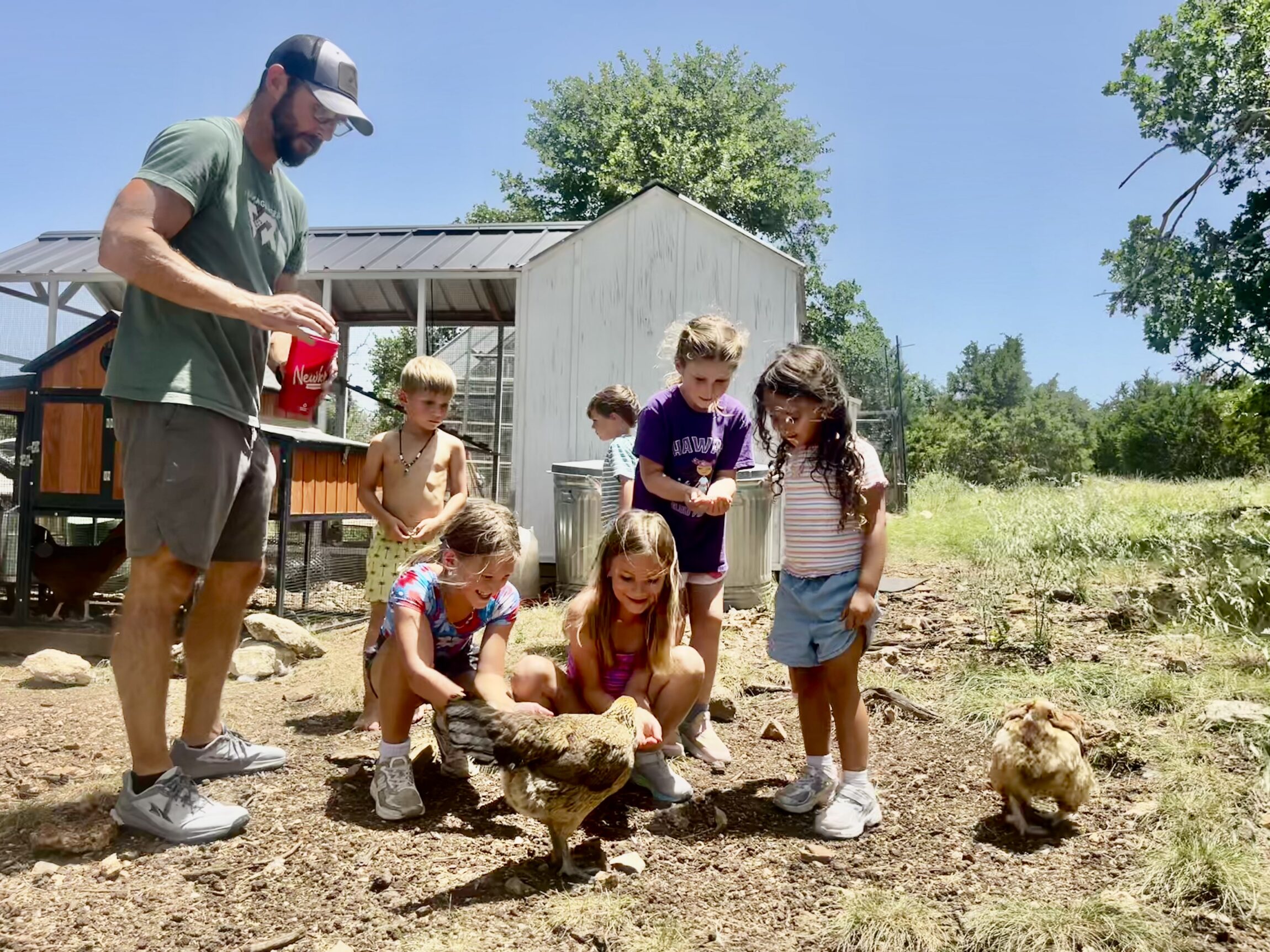
Submitted photo
That should create responsibility, but not an expectation of perfection. Your children will learn that you are not perfect, so there is little value in pretending otherwise. They will see you lose patience, make poor decisions, and make a mess of things. What matters is what you show them after. Be quick to own your mistakes and quicker to apologize when appropriate. Few things are more valuable for a child to hear than, “I was wrong. I’m sorry. I need to do better.” Some of the best parents I know have also made some of the biggest mistakes. What makes them good parents is not perfection. They show their children what it looks like to keep growing.
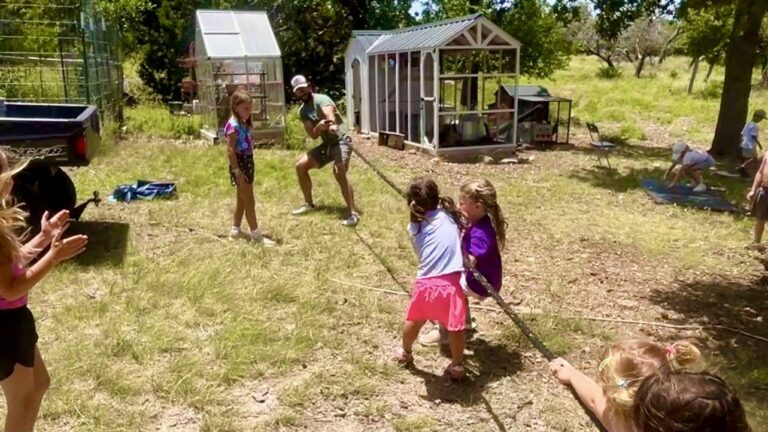
Every Saturday morning, around 40 Fredericksburg men show up at 6 AM for the Train Hard Men’s Group. They train, share struggles, hold each other accountable, and pray for one another. Sometimes their sons come to see it all. They do not show up because they are perfect. They show up because they know they can do better. When sons watch their fathers get out of bed before sunrise, do something hard, admit where they are struggling, ask for help, and pray with other men, he is receiving an education. They are learning what it looks like to put growth in front of comfort.
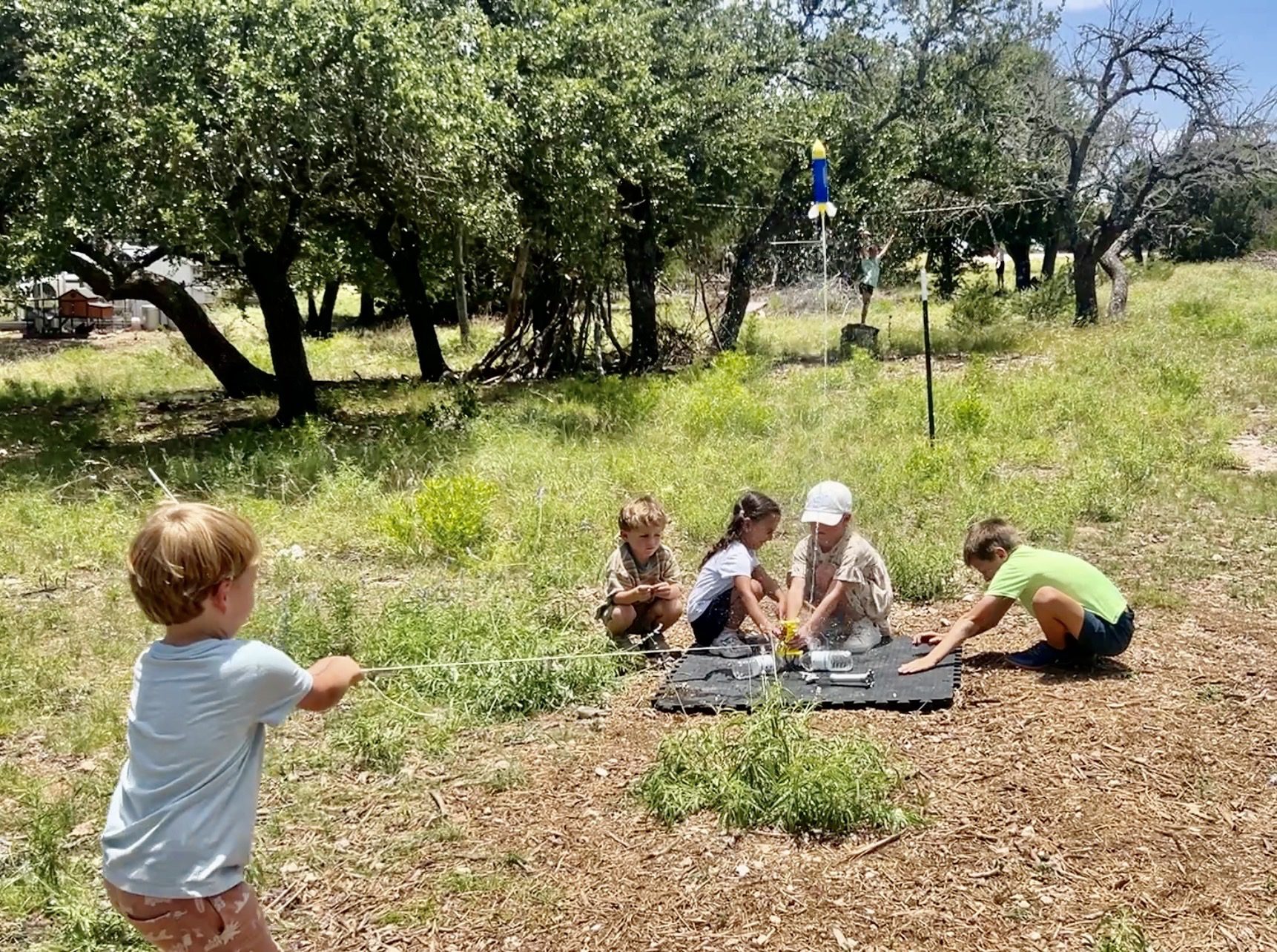
Submitted photo
The best students, athletes, leaders, friends, spouses, and parents I know tend to share that trait. They put growth, responsibility, family, faith, and other people ahead of their own personal comfort. Schools, coaches, teachers, pastors, and mentors can reinforce that lesson. But if it is consistently contradicted at home, it is unlikely to take root. Teachers, coaches, pastors, schools, and mentors may plant countless good seeds in a child’s life, but the culture of the home has an enormous influence over what eventually grows.
That should not produce guilt. It should produce awareness. You simply cannot be a perfect parent, and your children don’t need perfection. They need to see you choosing growth over comfort. Let them hear you admit when you were wrong. Let them watch you keep a commitment when breaking it would be easier. And when you fail, because you will, let them see what happens next. Education is not simply what happens between 8:00 and 3:00. Our children are being educated all the time, and most often, it is when we do not even know they are watching.
Any content, resident submissions, guest columns, advertisements, and advertorials are not necessarily endorsed by or represent the views of Best Version Media LLC (BVM) or any municipality, homeowners associations, businesses, or organizations that this publication serves. BVM is not responsible for the reliability, suitability, or timeliness of any content submitted, inclusive of materials generated or composed through artificial intelligence (AI). All content submitted is done so at the sole discretion of the submitting party.