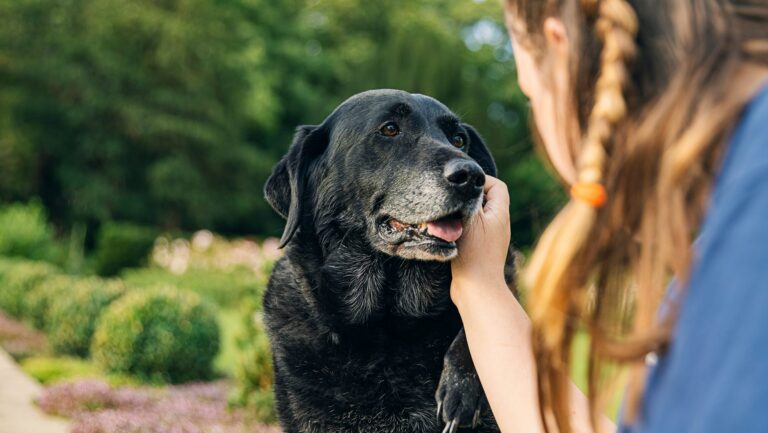
Grief after the death of a pet is often underestimated, yet research in human–animal relationships shows that companion animals occupy attachment roles similar to close family members. They provide routine, emotional grounding, and a sense of safety. When they die, the loss disrupts not only daily habits but also the emotional structure of a person’s life. Recognizing this helps anyone who supports grieving families understand what their hearts are truly carrying.
Pet grief is shaped by the depth of the bond. Dogs, cats, and other companions often serve as confidants, sources of unconditional affection, and stabilizing presences during difficult times. Because these relationships are consistent and non‑judgmental, the grief that follows their death can feel uniquely intense. Many people experience symptoms similar to human bereavement: sadness, fatigue, appetite changes, difficulty concentrating, and waves of emotion that appear unexpectedly. These responses are normal and reflect the significance of the relationship.
Pet loss grief does not follow a predictable timeline. Some individuals move through their grief gradually, while others feel the impact months or even years later. Factors such as the pet’s role in the household, the circumstances of the death, and the owner’s support system all influence how grief unfolds. For many, the loss of a pet may also reopen older grief or highlight other emotional vulnerabilities.
Validation plays a crucial role in healing. Families benefit when their grief is acknowledged rather than minimized. Statements like “It was just a pet” can unintentionally deepen pain by dismissing the emotional reality of the bond. Supportive responses—listening without trying to fix, acknowledging the depth of the relationship, and encouraging healthy coping—help individuals navigate their loss with greater resilience.
Rituals also support healing. Memorials, keepsakes, storytelling, and intentional moments of remembrance allow families to honor the role their companion played in their lives. These practices help integrate the loss into their ongoing story rather than forcing abrupt closure.
Finally, understanding when grief becomes overwhelming is essential. Persistent despair, inability to function, or physical symptoms that do not improve may signal the need for professional support. Counselors, grief groups, and veterinarians trained in pet loss can provide guidance tailored to this unique form of bereavement.
Pet loss grief is real, valid, and deeply human. Recognizing its complexity helps families move forward with compassion for themselves and enduring love for the companions who shaped their lives.
About the Expert Contributor
Angel Oaks Pet Crematory has always taken great pride in being a family‑owned and family‑operated business, carried forward by four generations over more than three decades. This legacy isn’t just a detail of our history; it is a defining part of who we are and how we serve our community. For many years, we have intentionally shared this message because it reflects the heart behind our work: continuity, trust, and a deeply personal commitment to compassionate care.
Any content, resident submissions, guest columns, advertisements, and advertorials are not necessarily endorsed by or represent the views of Best Version Media LLC (BVM) or any municipality, homeowners associations, businesses, or organizations that this publication serves. BVM is not responsible for the reliability, suitability, or timeliness of any content submitted, inclusive of materials generated or composed through artificial intelligence (AI). All content submitted is done so at the sole discretion of the submitting party.