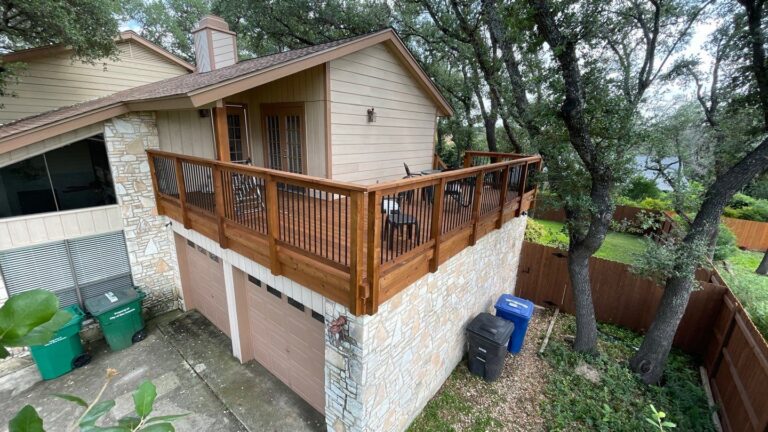
Hey Castle Hills, Will here. If you own a home or building with a flat roof, you know how useful that extra space can be. However, these roofs have a unique relationship with water that is important to understand—especially as we head into the cooler months.
The 48-Hour Drainage Rule
Though we call them “flat,” these roofs actually have a very slight slope to guide water toward the drains or gutters. Because that slope is so gentle, water takes longer to shed than it does on a steep, traditional roof.
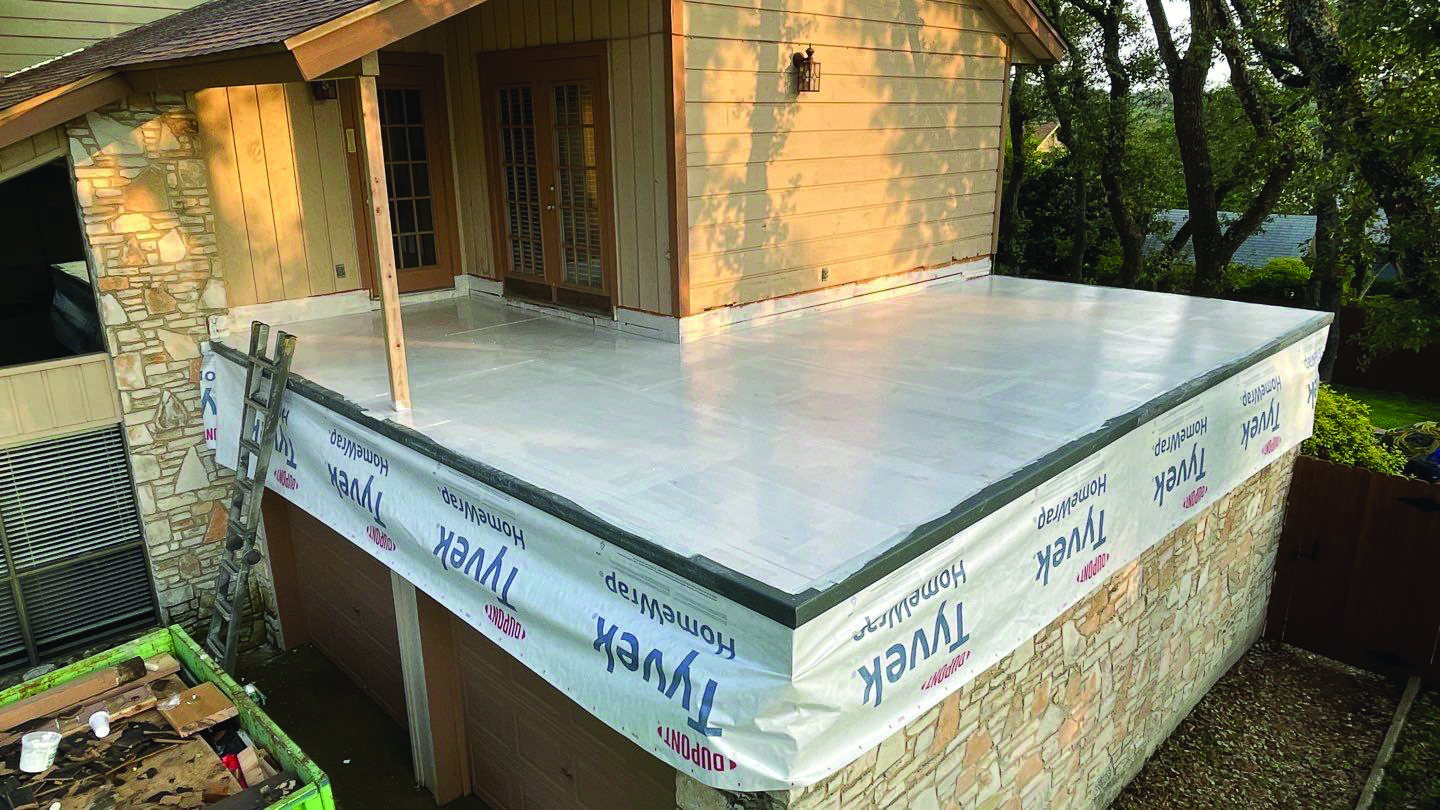
Submitted photo
In the roofing industry, water that remains standing for around 48 hours after rainfall is generally considered ponding water. Persistent ponding can contribute to deterioration over time, giving moisture a prolonged opportunity to find vulnerable areas and work its way into the structure.
Sometimes the issue is the roofing material itself. Other times, the problem may be blocked drainage, improper slope, settlement, or a low area that has developed over time.
The Real Danger of Winter Freezing
Ponding water becomes more concerning when temperatures drop. When water gets into an existing crack, seam, or vulnerable area and freezes, it expands. That expansion can act like a wedge, further tearing existing cracks, seams, or other weak points. Repeated temperature changes can also cause roofing materials to expand and contract. Over time, a minor vulnerability can develop into a larger leak or roofing problem.
An Inside-Out Approach to Inspections
Catching leak issues early requires looking at the whole picture. When attic space or the underside of the roof deck is accessible, it can be an important place to begin. This may reveal evidence of water intrusion, damp insulation, staining, or deteriorating decking before a stain develops on the ceiling. From there, inspecting the roof membrane, drains, flashings, seams, penetrations, and other vulnerable areas provides a more complete picture of the roof’s condition.
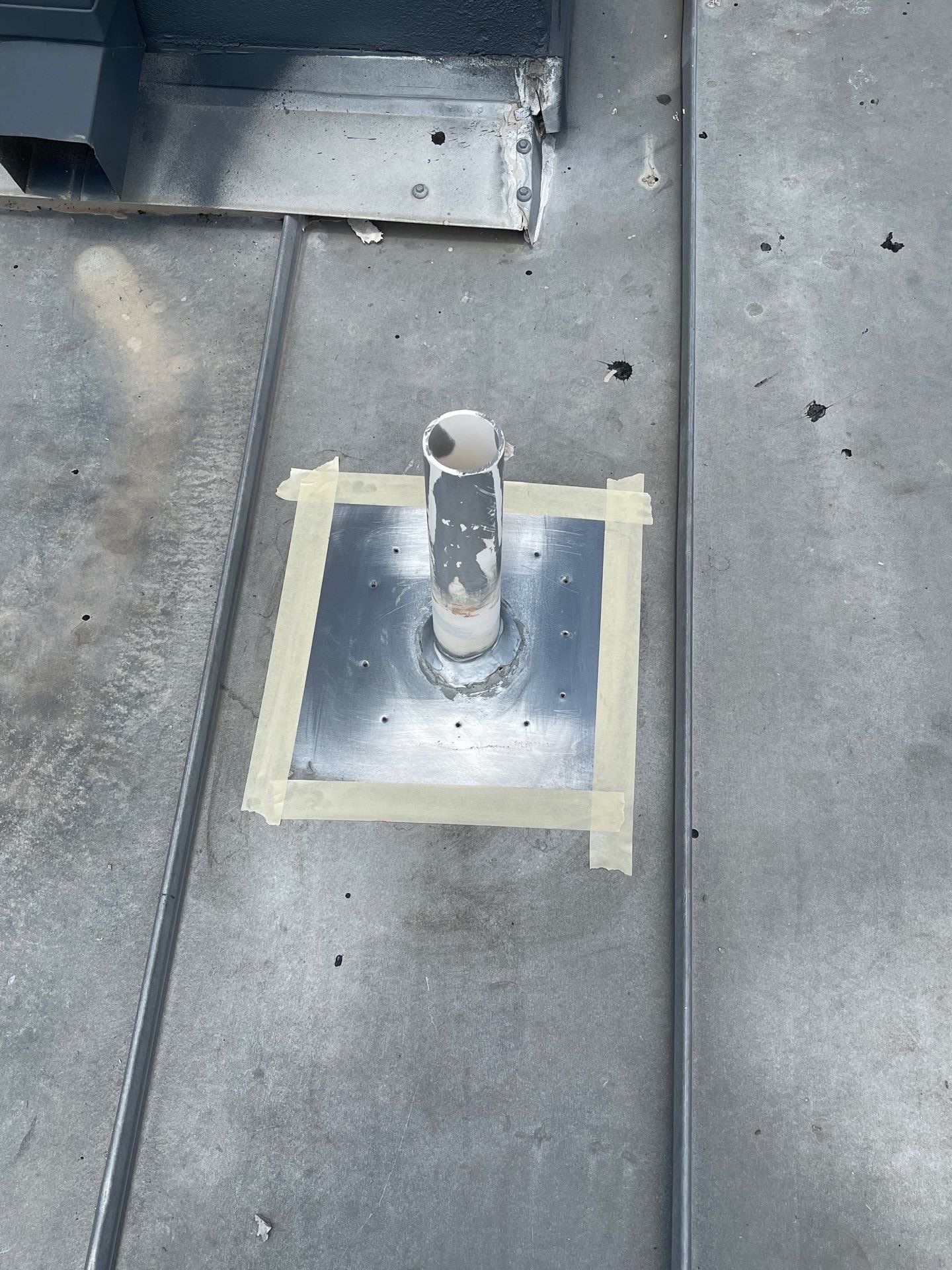
Before. (Submitted photo)
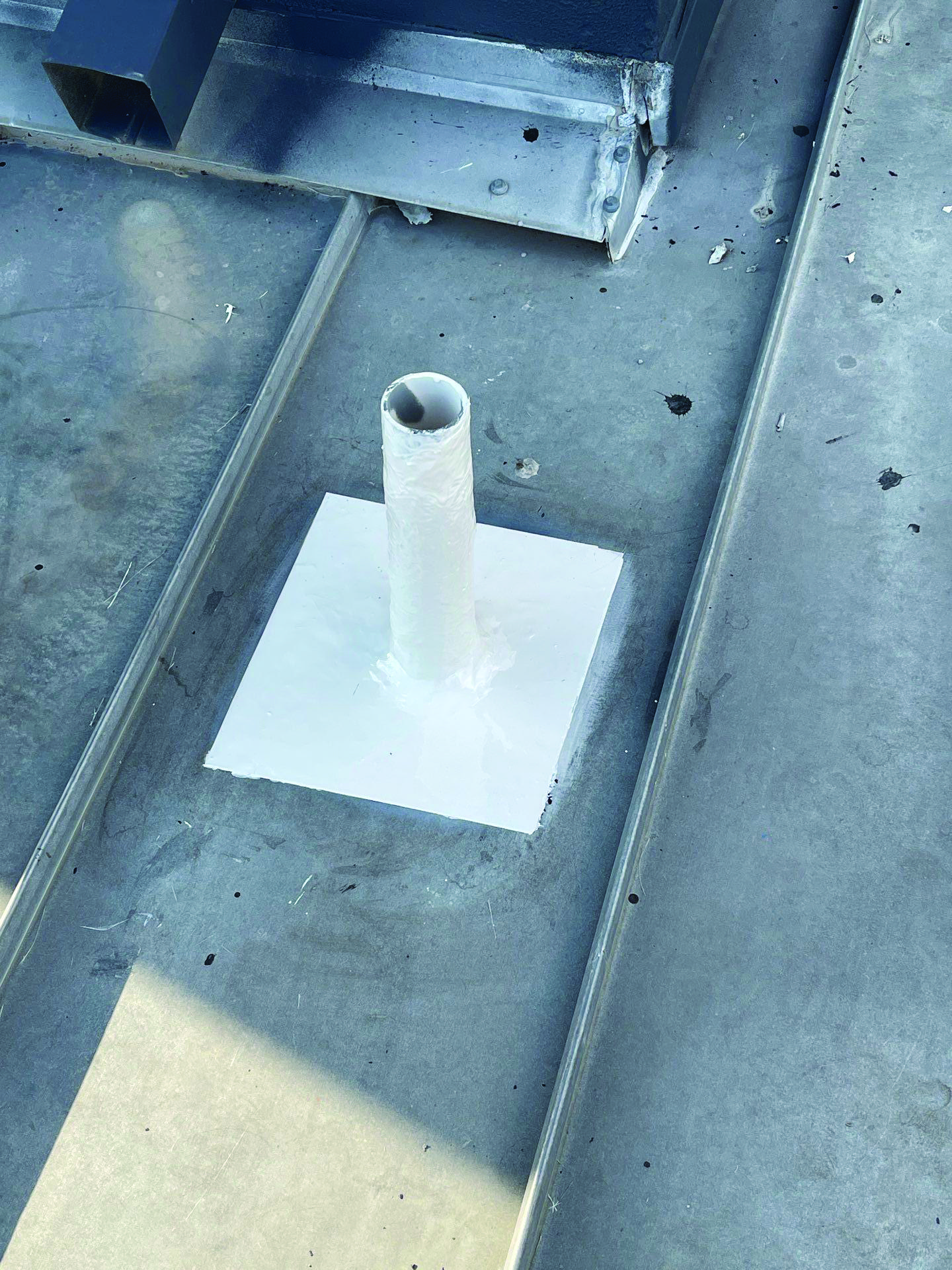
After a seamless membrane application. (Submitted photo)
What Homeowners Can Watch For
You don’t have to climb onto your roof to notice when something may need attention. After a heavy rain, watch for water stains or discoloration on ceilings and walls, musty odors, bubbling paint, or areas where moisture seems to appear and disappear. Outside, keep an eye on visible drains, scuppers, and gutters. Leaves, branches, and other debris can slow drainage and cause water to collect where it normally would not.
Roof penetrations also deserve attention. Plumbing vents, HVAC equipment, skylights, flashings, and transitions between roofing surfaces are all areas where water has to be carefully managed.
One of the biggest mistakes property owners make is waiting for an active leak before investigating. By that point, moisture may have been entering the roofing system for some time.
Modern Solutions: Seamless Membranes
If a flat roof is aging, property owners today may have options beyond a complete tear-off.
StormCure Liquid Applied Membrane, a proven polymer resin flat roof technology can be installed over almost any existing flat roof system when properly cleaned and primed. It is applicable to numerous roof surfaces like TPO and Modified Bitumen, and it adheres to materials adjacent to roof surfaces, such as brick, concrete and metal panels.
This waterproof material cures within minutes into a seamless, monolithic system, eliminating vulnerable lap joints and seams within the new membrane. The important part is determining whether the existing roof is structurally and functionally suitable before restoration. Some small repairs may be required where trapped moisture, deteriorated decking, unresolved drainage issues, and existing damage are present.
Removing the Guesswork
Taking a proactive look at your roof can help identify drainage problems, aging seams, deteriorating materials, or signs of moisture intrusion before winter weather arrives. Most importantly, finding a problem does not automatically mean the entire roof needs to be torn off and replaced. The right solution depends on the existing roof system, its condition, drainage, and what may be happening underneath.
Any content, resident submissions, guest columns, advertisements, and advertorials are not necessarily endorsed by or represent the views of Best Version Media LLC (BVM) or any municipality, homeowners associations, businesses, or organizations that this publication serves. BVM is not responsible for the reliability, suitability, or timeliness of any content submitted, inclusive of materials generated or composed through artificial intelligence (AI). All content submitted is done so at the sole discretion of the submitting party.