Walk down the dental aisle at any drugstore and you’ll find whitening toothpastes, strips, pens, lights, trays—and plenty of products promising a dramatically whiter smile. So, what actually works?
First, a little whitening myth-busting.
Whitening isn’t just about removing stains. Whitening toothpastes can help polish away external staining from things like coffee, tea and red wine. Professional bleaching works differently. Peroxide travels into the tooth and breaks down the molecules responsible for discoloration. In other words, we aren’t just scrubbing away that morning latte, we’re actually changing the color from within.
Professional whitening generally falls into two approaches: a quick in-office treatment or a combination of custom take-home trays and in-office whitening.
Submitted photo
The “I Want Whiter Teeth Today” Approach
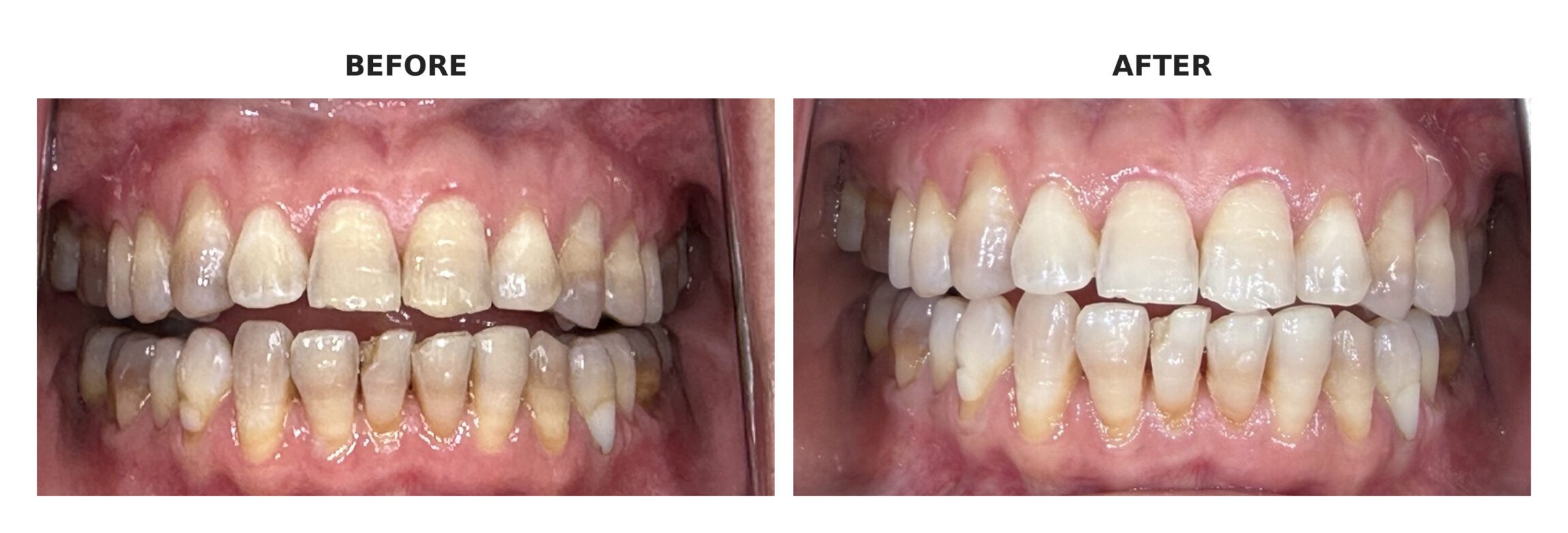
One option is a single-session in-office treatment such as Opalescence Boost, which takes about one hour. The gums are protected while professional whitening gel is applied and re-applied in 15-minute intervals. No special light or laser is required, and take-home whitening can be used for future touch-ups.
The “Let’s Really Do This” Approach
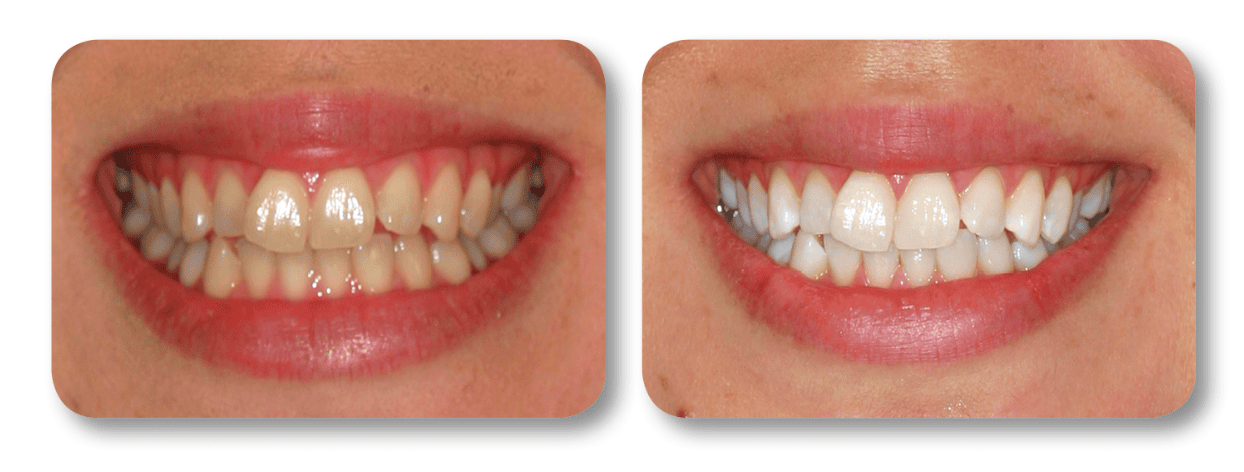
For a more comprehensive transformation, KöR Whitening is my personal favorite. The process begins with a digital scan to create custom trays. Patients then whiten at home while sleeping for 14 nights using these trays. On day 15, they return for a one-hour in-office whitening session. I’ve worked with different whitening systems, and KöR consistently produces some of the most impressive results I’ve seen.
But What About Sensitivity?
This is one of the most important considerations in whitening—and where working with your dentist really matters.
Before whitening, teeth should be evaluated for cavities or fillings that are no longer properly sealed, which can expose sensitive inner tooth structure. Sensitivity is also different for everyone, so the approach should be customized. Depending on your needs, that might include prescription-strength toothpaste before or after treatment, desensitizing agents, or adjustments to the whitening protocol itself. The goal isn’t simply to use the strongest product possible, it’s to achieve a great result while keeping you comfortable.
Submitted photo
Do You Use the Blue Light I See All Over Social Media?
Those glowing blue lights certainly make whitening look high-tech, but the science is more nuanced. Light sources can accelerate the whitening process, but that doesn’t necessarily mean a better final result. Light activation can increase tooth sensitivity, in part because of increased heat inside the tooth and around the nerve. Despite speeding up the process, light activation has not consistently demonstrated better final whitening outcomes.
In other words: faster doesn’t necessarily mean whiter, and it may mean more sensitivity.
How White Can We Go?
Every tooth has a natural limit, so whitening results vary from person to person. And remember: crowns, veneers and fillings don’t whiten. Existing dental work on front teeth should always be considered beforehand.
Ultimately, the best whitening result isn’t just about brighter teeth – it’s about giving you a smile you’re excited to show off.
For more information about teeth whitening or to schedule a consultation, call Dr. Nikita Kazak at Ross Valley Dental at 415.454.5667 or visit rossvalleydental.com.
Any content, resident submissions, guest columns, advertisements, and advertorials are not necessarily endorsed by or represent the views of Best Version Media LLC (BVM) or any municipality, homeowners associations, businesses, or organizations that this publication serves. BVM is not responsible for the reliability, suitability, or timeliness of any content submitted, inclusive of materials generated or composed through artificial intelligence (AI). All content submitted is done so at the sole discretion of the submitting party.