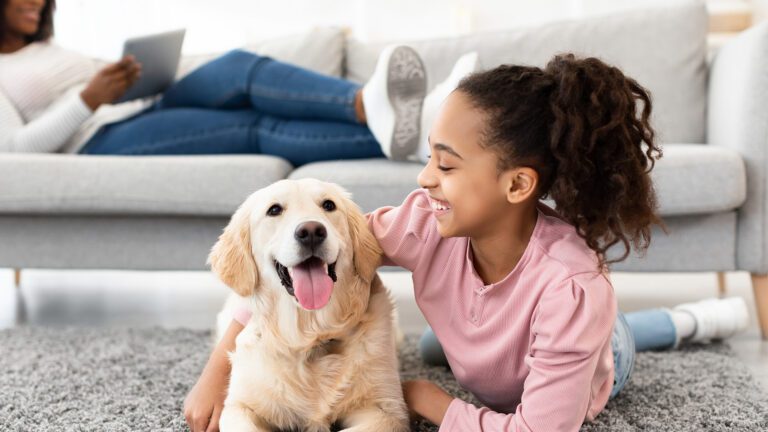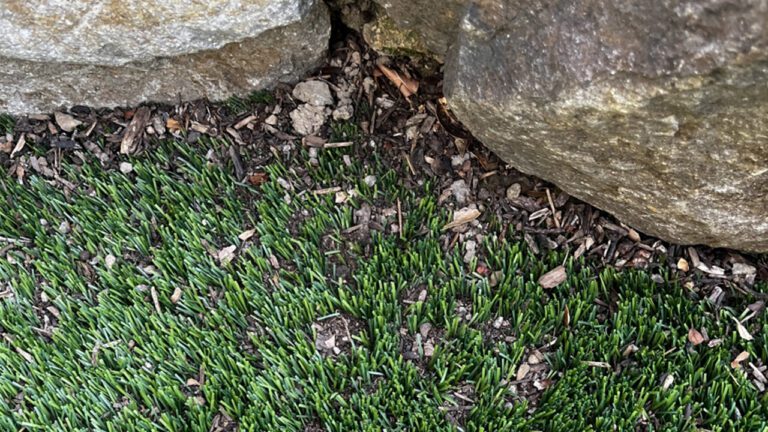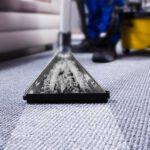
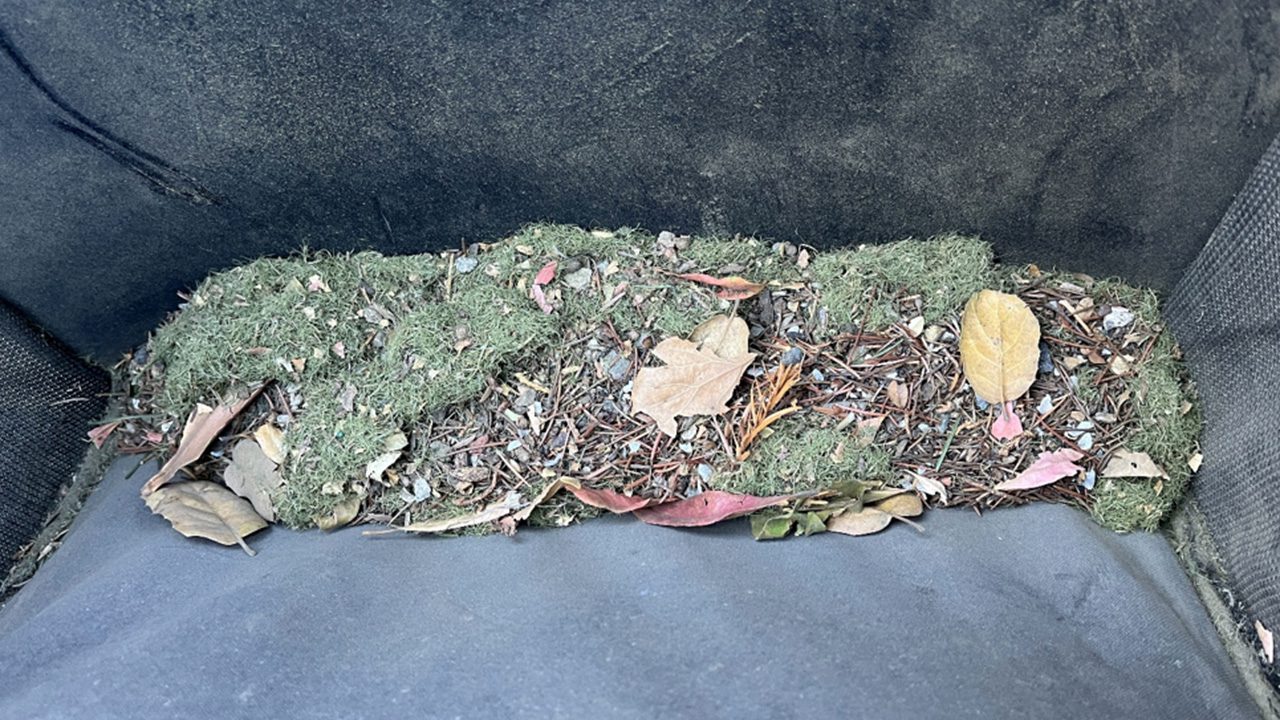
What differentiates a good versus a bad artificial turf experience? The design, the quality of the materials, and the installation all shape the way your artificial turf performs over time. In the warm months, it may be hot to the touch, have a plastic-like smell, and may be soft and pliable. Add pets to the equation and the odor can become overwhelming. In the cooler and wetter months, your artificial turf may become the perfect environment for seeds to germinate, sediment to become embedded, and for fungus, algae, mold, and mildew to thrive in the damp environment.
Before starting your artificial turf project, discuss key considerations with your installer, including a pet relief area, sporting plans, stepping stones in high-traffic areas, the health of surrounding vegetation, and the maintenance requirements. Like painting, most of the work is in the preparation. Removing old landscaping and rough-grading can disrupt the root systems of surrounding vegetation. After compacting the native soil, some installers add a non-woven geotextile membrane to suppress weeds, separate the subgrade and base, improve drainage, prevent fines migration, and to extend the turf’s life.
Compacted Class II road base typically forms the sub-base and final grade. Subsequent layers depend on the intended use: installers may add a weed membrane before compacted decomposed granite; sports fields and play areas may require shock absorbing materials; and yards with burrowing pests may need wire mesh. Finally, the turf is laid, cut, secured, and infill is added. Infill is a granular material that may be antimicrobial, clay-rich and ionic, cooling, organic (such as ground walnut shells), or simply a specified grade of sand.
Depending on the grade of turf and the level of care during the installation, synthetic turf can shrink, stretch, or pull away from the edges or at the seams. These conditions can be exacerbated by foot traffic, the geometry of the layout, and the climate. As discussed above, for athletic fields and backyards that are intended for sporting activities, installers add a layer of padding beneath the backing or shock absorbing infill within the turf itself. When pets are present, these materials act like sponges, absorb the urine, and then become the substrate by which the urea degrades and bacterial proliferate. The result is the pungent ammonia-like smell that persists if left untreated.
What can you do to keep your artificial turf in good condition year-round? Each season presents maintenance opportunities, and, as with your personal health, it pays to stay ahead of problems throughout the year. When cooler weather and winter rain arrive, pet odors may become less noticeable, but the waste has not disappeared. Rain can carry it into deeper layers, where odors may return as temperatures rise. Rainfall can also wash sediment into the turf and shorten its lifespan. Use the cooler months to remove harmful sediment and neutralize uric acid from pet use.
Jim and Jackie Evensen, founders of The GreensKeeper, are dedicated to helping homeowners keep their artificial turf clean, fresh, and beautiful year-round. Whether you need routine maintenance or a complete restoration, call today for a free estimate and expert advice.
Any content, resident submissions, guest columns, advertisements, and advertorials are not necessarily endorsed by or represent the views of Best Version Media LLC (BVM) or any municipality, homeowners associations, businesses, or organizations that this publication serves. BVM is not responsible for the reliability, suitability, or timeliness of any content submitted, inclusive of materials generated or composed through artificial intelligence (AI). All content submitted is done so at the sole discretion of the submitting party.