
“I don’t want to go anymore.”
Every parent has heard it. Maybe your child has suddenly decided they hate dance, soccer, piano, theater—or whatever activity they were once excited about. Your first instinct may be to say, “Okay, we’ll quit.” Or perhaps you find yourself saying, “You made a commitment. You have to stick with it.”
So which is right?
After more than three decades of working with children and families in the performing arts, I’ve learned that sometimes quitting is exactly the right decision. And sometimes, quitting is simply the easiest way out of a difficult season. The challenge is knowing the difference.

Is it a bad fit?
There are times when an activity genuinely isn’t right for a child. Perhaps the environment makes them consistently uncomfortable or unwelcome. Maybe the teaching philosophy conflicts with your family’s values. Maybe they’ve given it a reasonable chance and simply discovered that their interests lie elsewhere. Those are legitimate reasons to move on.
Children should not be expected to remain in an environment that isn’t healthy for them simply because they started it.
Or is it a hard season?
Learning something new isn’t always fun. There may be a point when your child realizes they aren’t naturally good at something. They may compare themselves to a friend who has been doing it longer. They may become frustrated because a skill isn’t coming as quickly as they hoped. They may be nervous about performing or simply tired of practicing.
Those feelings don’t necessarily mean it’s time to quit. Sometimes they mean your child has reached the part where growth gets uncomfortable. And that is where some of the most important learning can happen.
When children work through an appropriate challenge, they discover something much more valuable than the ability to execute a particular skill. They discover, “I can do something that was once hard for me.” That experience builds a kind of confidence that can’t be created by simply telling a child, “You’re amazing.”
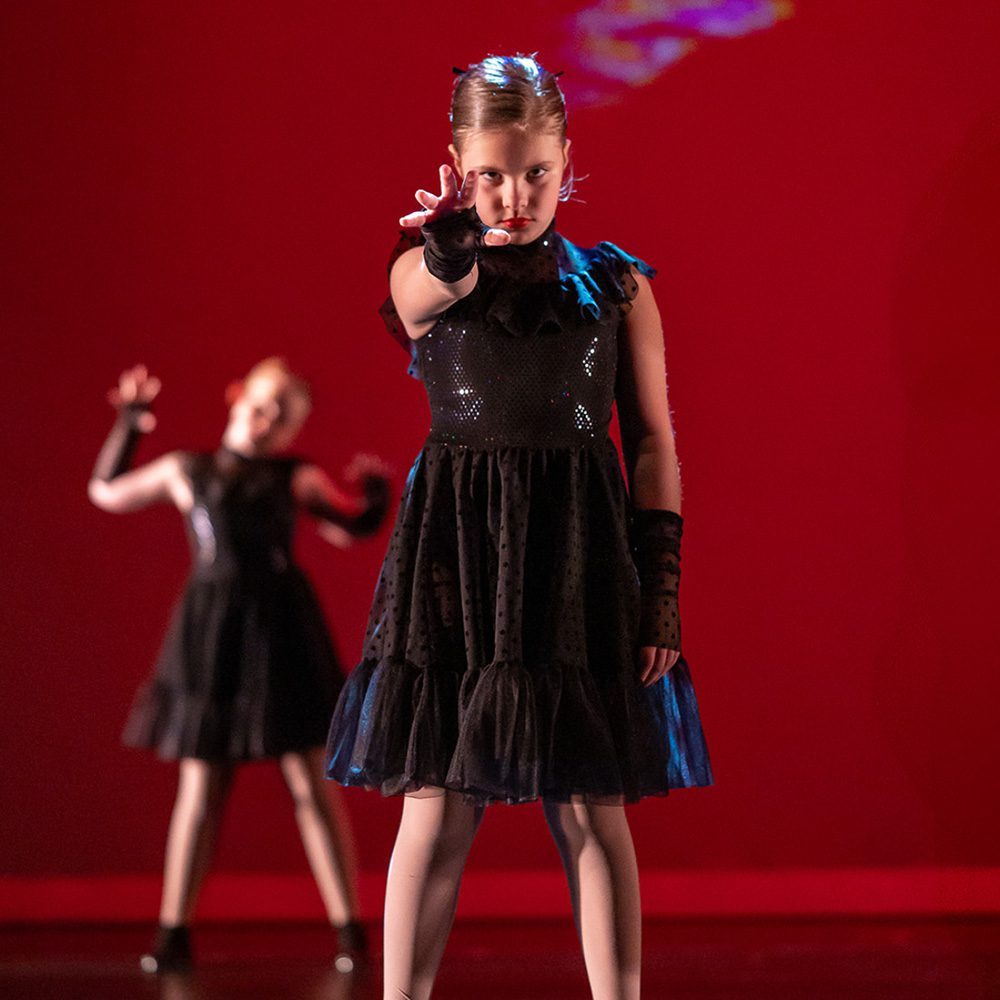
So what should parents do?
Before making the decision to quit, ask the questions:
- Is my child unhappy—or simply frustrated?
- Has this feeling lasted, or is it connected to a particular challenge?
- Have we given the activity enough time for a real connection to develop?
- Is the environment the problem, or is the difficulty of learning the problem?
And talk to the teacher. A good teacher can often help you see what is happening from a completely different perspective.

Our job as parents isn’t to make sure our children never struggle. It’s to help them learn which struggles are worth working through—and which ones are telling them it’s time to choose differently. That may be one of the most valuable lessons an activity can teach.
Robin Snyder-Wiencek is the founder and director of EMC Performing Arts Studio in New Freedom, PA, which has served the greater Baltimore City and Southern York communities since 1992. She is a regular contributor to Southern York Living on topics related to arts education and child development.
Any content, resident submissions, guest columns, advertisements, and advertorials are not necessarily endorsed by or represent the views of Best Version Media LLC (BVM) or any municipality, homeowners associations, businesses, or organizations that this publication serves. BVM is not responsible for the reliability, suitability, or timeliness of any content submitted, inclusive of materials generated or composed through artificial intelligence (AI). All content submitted is done so at the sole discretion of the submitting party.