A wood floor is one of the most beautiful things you can put in a mountain home, and one of the easiest to get wrong up here. Our climate asks more of wood than almost anywhere, and most floor problems we see were avoidable with a few early decisions.
Here’s what wood is up against in Steamboat. We sit near 7,000 feet in some of the driest air in the country. Winters run cold with the furnace going for months, indoor humidity drops below 20 percent, and radiant heat warms floors from below. Many homes sit empty for weeks between visits. Wood constantly trades moisture with the air, swelling when it’s humid and shrinking when it’s dry, and our big swings are what it likes least.
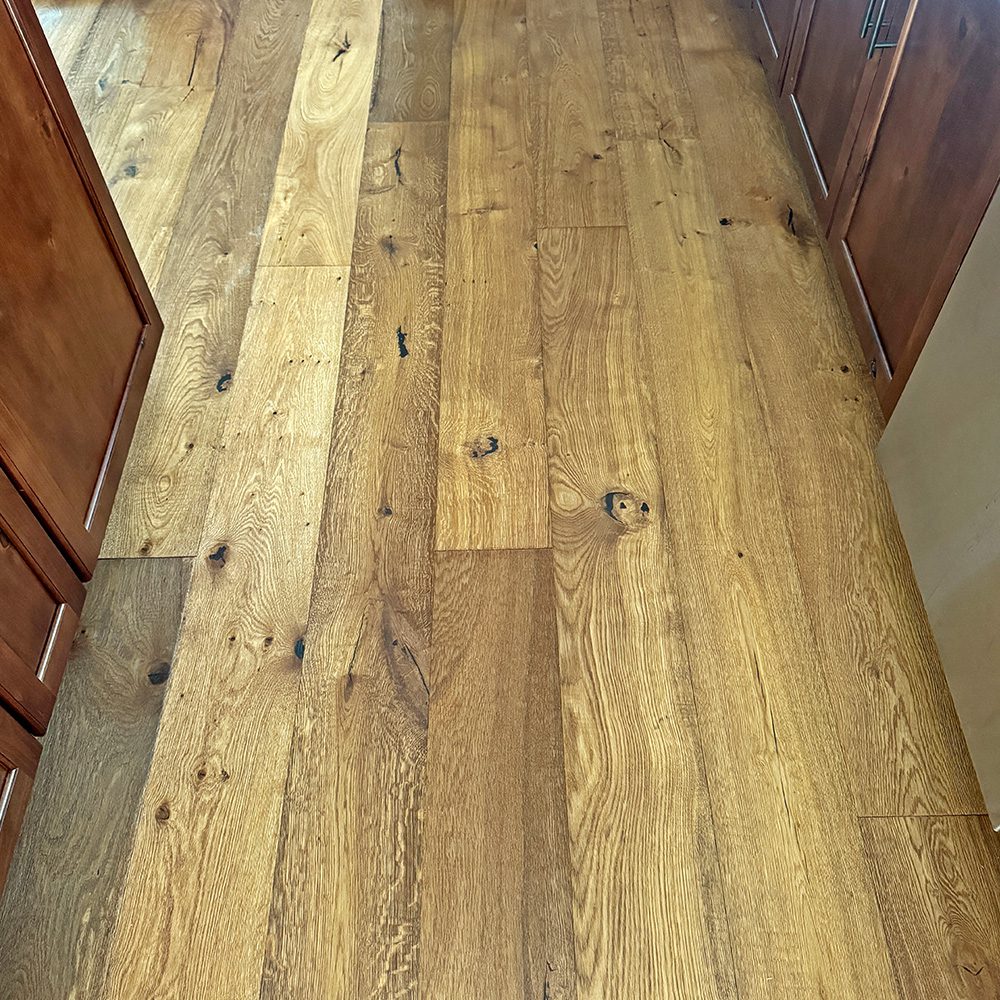
That stress shows up in a few ways. Gapping is the most common: in dry stretches, boards shrink and thin lines open between them, most of which close back up in spring. Checking is finer cracking along the grain when the surface dries too fast. Cupping is the opposite: too much moisture under a board from a damp subfloor, a spill, or high humidity, so the edges rise above the center. In all three, it’s rarely just dryness, but imbalance and quick change. Stability is the whole game.
So keep things steady. If possible, a whole-home humidifier tied into your furnace is the best money you can spend on a wood floor here. Hold your indoor air around 35 to 40 percent humidity through winter, and the wood stays calm. Your sinuses will thank you too.
This matters even more if you travel, and plenty of folks here do. When you’re gone for weeks, don’t shut the heat way down. Keep the house near room temperature so the floor isn’t riding cold, dry extremes with nobody home.
Getting the install right heads off most trouble. Let the wood acclimate inside for several days first and have the subfloor’s moisture measured before anything goes down.
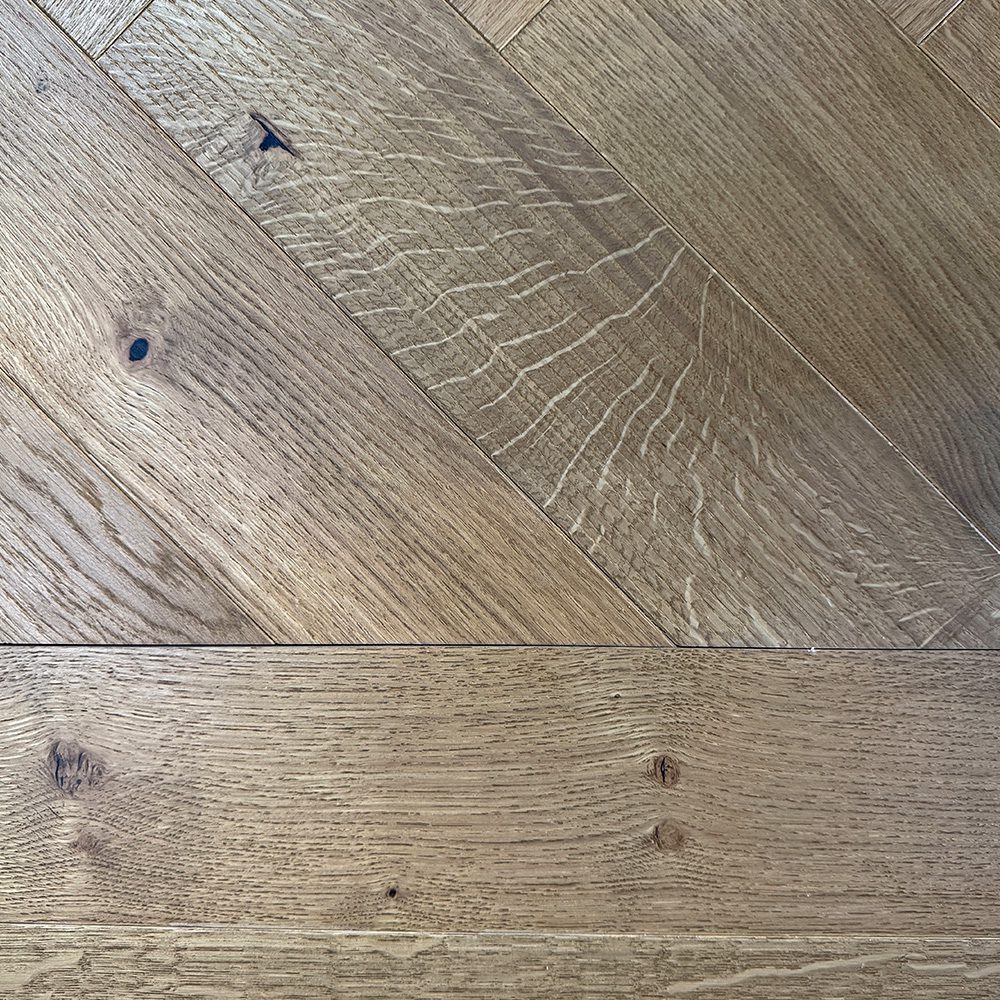
We also prefer a full glue-down for new wood now, using what the trade calls the gold standard: a silane-modified polymer adhesive, or SMP. It pairs the muscle of a polyurethane with the give of a silicone, and spread across the whole floor, it cures into one seamless, rubbery layer. That layer does three jobs at once: it bonds the floor down for good, acts as a built-in moisture barrier from below, and quiets the sound underfoot. The payoff is a floor that moves as one piece instead of fighting itself, heading off the checking, splitting, and cupping our climate can cause.
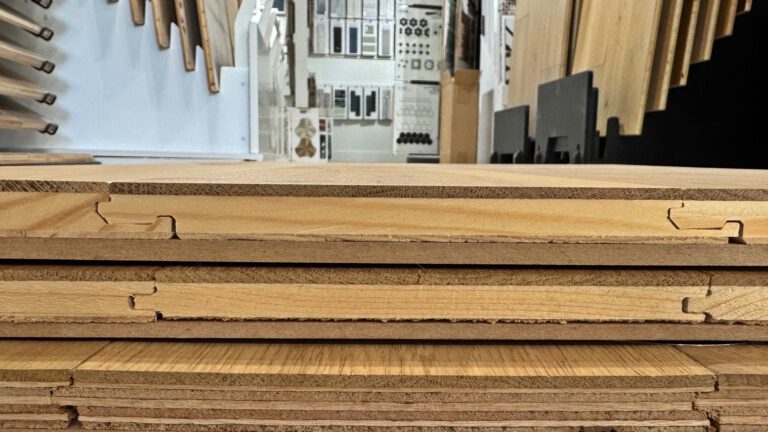
Product choices matter, too. Wider boards are gorgeous but show every bit of movement, so I steer people toward solid hardwood at 6 inches or less and engineered at 9.5 inches or less. Engineered, real wood over a stable core, holds its shape far better than solid through our dry spells.
Price doesn’t guarantee a floor is done properly, which is the part I’m proudest of on our end. We offer hundreds of options from manufacturers we trust, and over 30-plus years here, we’ve dropped the brands and species we don’t believe in. The products on our showroom floor are what we’d put in our own homes.
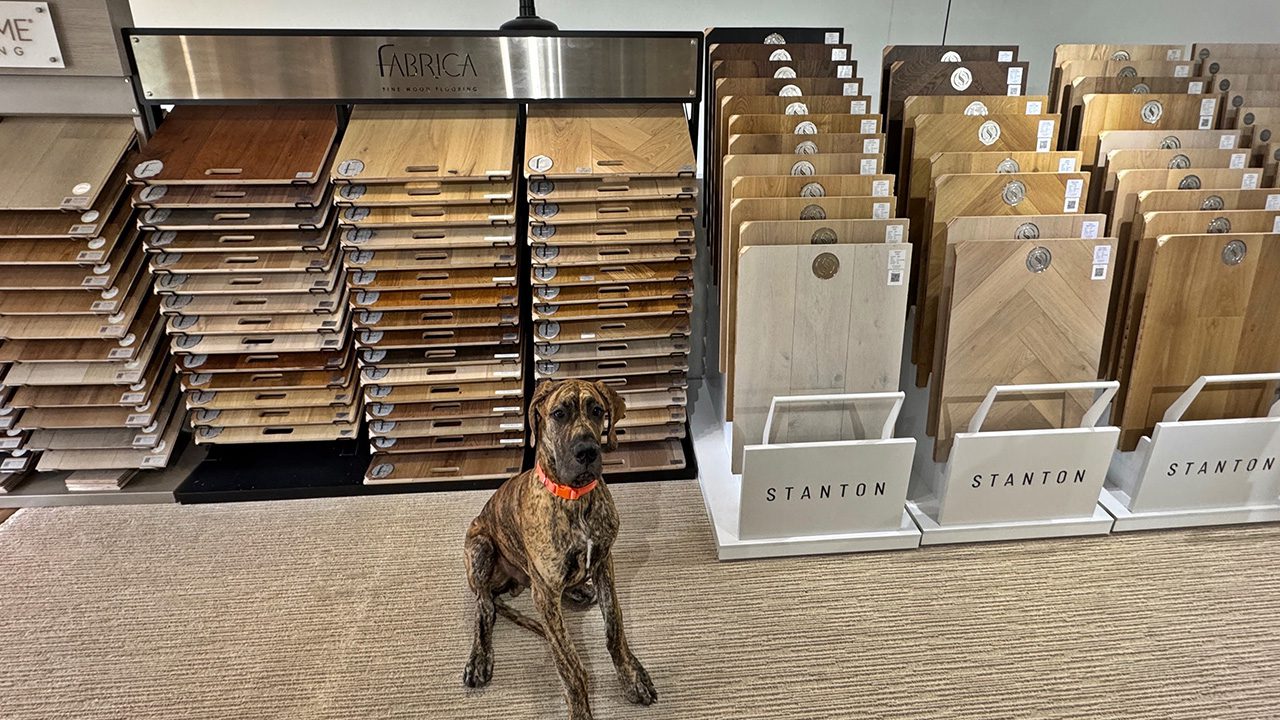
None of this means wood is the wrong call in Steamboat. A good floor, chosen and professionally installed for our altitude, will outlast most of us. Think about the air in your home as much as the color of the plank. We live with these winters too, and we’re glad to help our neighbors get it right.
Any content, resident submissions, guest columns, advertisements, and advertorials are not necessarily endorsed by or represent the views of Best Version Media LLC (BVM) or any municipality, homeowners associations, businesses, or organizations that this publication serves. BVM is not responsible for the reliability, suitability, or timeliness of any content submitted, inclusive of materials generated or composed through artificial intelligence (AI). All content submitted is done so at the sole discretion of the submitting party.