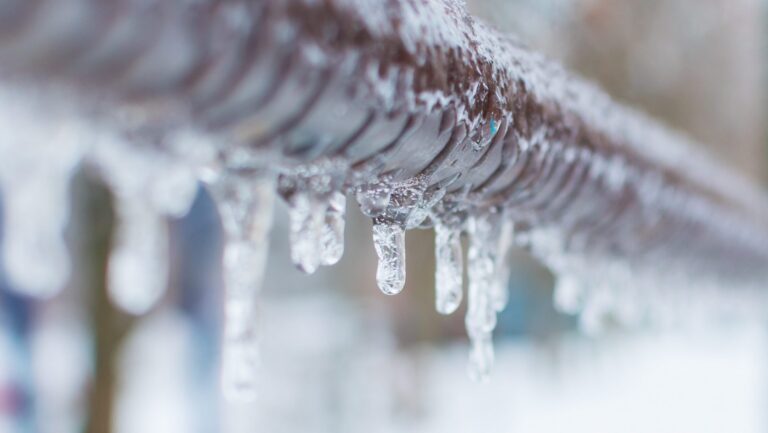
When cold weather rolls into Dover, most of us are thinking about turning up the heat, putting away the lawn equipment, and preparing for snow. But what about your plumbing? It’s probably not something you think about until there’s a problem.
The last thing anyone wants on a freezing winter morning is to discover a burst pipe and water flooding their home! The good news is that protecting your plumbing doesn’t have to be complicated or expensive. Here are a few simple steps you can take before temperatures start to drop.
Disconnect Your Garden Hoses
One of the easiest ways to protect your plumbing is to disconnect outdoor garden hoses before freezing temperatures arrive. Leaving a hose attached can trap water inside the faucet or connecting pipe, increasing the risk of freezing. If your home has an indoor shutoff valve for an outdoor faucet, turn it off and drain any remaining water.
Protect Exposed Pipes
Pipes located in unheated basements, crawl spaces, garages, and other exposed areas are particularly vulnerable to freezing. Foam pipe insulation is an inexpensive way to provide additional protection. Check for drafts around openings where plumbing enters your home, and seal any gaps that allow cold air to reach pipes.
Keep Your Home Warm
If you’re traveling during the winter, don’t turn your heat completely off to save money. Keep your thermostat at a reasonable temperature, generally no lower than 55°F, and consider opening cabinet doors beneath sinks located along exterior walls to allow warmer air to circulate.
Know Where Your Main Water Shutoff Is Located
Every homeowner should know where to turn off the water supply in an emergency. If a pipe bursts, shutting off the main water valve quickly can significantly reduce damage. Take a few minutes to locate the valve and make sure it operates properly before you need it.
Watch for the Warning Signs
Reduced water flow, frost on exposed pipes, or unusual plumbing noises during extremely cold weather can indicate a developing problem. If you suspect a frozen pipe, avoid using open flames or excessive heat to thaw it. A plumbing professional can help determine the safest approach.
Winter plumbing problems often happen when we least expect them. Taking a little time now to inspect and protect your home’s plumbing can make a big difference when temperatures fall below freezing.
Remember, a little prevention today can save you from a major plumbing headache tomorrow.
Any content, resident submissions, guest columns, advertisements, and advertorials are not necessarily endorsed by or represent the views of Best Version Media LLC (BVM) or any municipality, homeowners associations, businesses, or organizations that this publication serves. BVM is not responsible for the reliability, suitability, or timeliness of any content submitted, inclusive of materials generated or composed through artificial intelligence (AI). All content submitted is done so at the sole discretion of the submitting party.