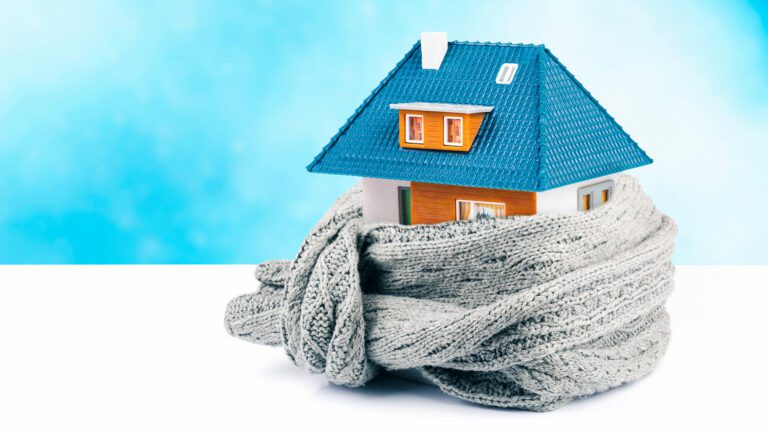
Winter weather can be unpredictable, and a mild afternoon can quickly turn into freezing temperatures, heavy snow, strong winds or a power outage. Whether you live in a detached house, a condominium, or a townhouse, a little preparation before winter arrives can prevent property damage, reduce emergency repair costs and make those unexpected winter storms much easier to manage.
Prevent Frozen Pipes
Of all the winter problems that homeowners face, frozen and burst pipes are among the most expensive and preventable. So, before temperatures drop below freezing, disconnect your garden hoses, and where possible, shut off the interior water supply to exterior faucets and water features. Then open the outside tap to drain or “bleed” any remaining water from the pipes and lines.
Inside the home, keep temperatures consistent, and know where your home’s main water shut-off is located so you can react immediately if a pipe bursts. Pipes near exterior walls, garages, crawl spaces, and other poorly insulated areas are especially vulnerable to freezing and splitting.
If you are leaving your home for an extended period, never turn the heat off completely. Arrange for someone to check it regularly and review your insurance policy for any requirements relating to an unoccupied property.
Snow, Ice & Slippery Walkways
Sidewalks, patios, steps, stairs, and driveways can become slippery and dangerous very quickly. Before the first freeze, make sure you have a good snow shovel and an appropriate ice-melting or traction product readily available; you don’t want to be searching for these items after a storm has arrived.
Clear snow promptly rather than allowing it to become compacted and icy. Pay particular attention to stairs, entrances, sidewalks, and frequently travelled pathways. Check exterior lighting as well; good visibility is especially important during our shorter winter days.
Condo owners and tenants should understand which areas the strata maintains and which areas, such as private patios, balconies, or individual entrances, may be their responsibility.
Prepare for Wind & Winter Storms
Strong winds can turn ordinary outdoor items into hazards. Secure or store patio furniture, umbrellas, planters, garbage and recycling containers and other loose objects. Check gates, fences, and railings for anything already loose.
Detached and townhouse residents should keep gutters and exterior drains clear of leaves and debris so rain and melting snow can drain properly. Where safely visible from the ground, watch for damaged or overhanging tree branches that could become dangerous during high winds or heavy snow.
Be Ready for a Power Outage
Every household should have a basic emergency kit that is easy to find in the dark. At minimum, consider keeping:
- Flashlights and extra batteries
- Phone power banks
- Bottled water
- Nonperishable food
- Blankets
- A basic first-aid kit
- Necessary medications
Phones and power banks charged whenever a significant storm is forecast, and avoid relying exclusively on candles for emergency lighting because of the fire risk. A plan for garage doors, elevators and electronically controlled building entrances during an outage. Condo residents should also know how their building communicates emergency information.
An emergency contact plan, particularly for seniors, children, pets or anyone who may require additional assistance during an extended outage.
Never operate a barbecue, propane heater, generator or other fuel-burning appliance indoors, in a garage or in another enclosed area because of the risk of carbon monoxide poisoning.
A Few Preventative Steps Can Save Thousands
Winter preparedness isn’t simply about protecting the building—it is about protecting the people living in it. Test smoke and carbon monoxide alarms, replace weak batteries, have heating systems serviced when required, and address small leaks, drainage problems, or maintenance concerns before freezing weather makes them considerably worse.
For landlords and property managers, fall is also an ideal time to remind residents about exterior hoses, heating requirements, emergency contacts and their responsibilities for snow and ice. For homeowners and tenants, knowing where water shut-offs, electrical panels and emergency supplies are located can make an enormous difference when something goes wrong.
The best winter emergency is the one you prevent. Spending an hour preparing your home before the first freeze can help protect your property, reduce costly emergency repairs and give everyone greater peace of mind throughout the winter season.
Hello Rent® Property Management
Visit my website for more great ideas!
Any content, resident submissions, guest columns, advertisements, and advertorials are not necessarily endorsed by or represent the views of Best Version Media LLC (BVM) or any municipality, homeowners associations, businesses, or organizations that this publication serves. BVM is not responsible for the reliability, suitability, or timeliness of any content submitted, inclusive of materials generated or composed through artificial intelligence (AI). All content submitted is done so at the sole discretion of the submitting party.