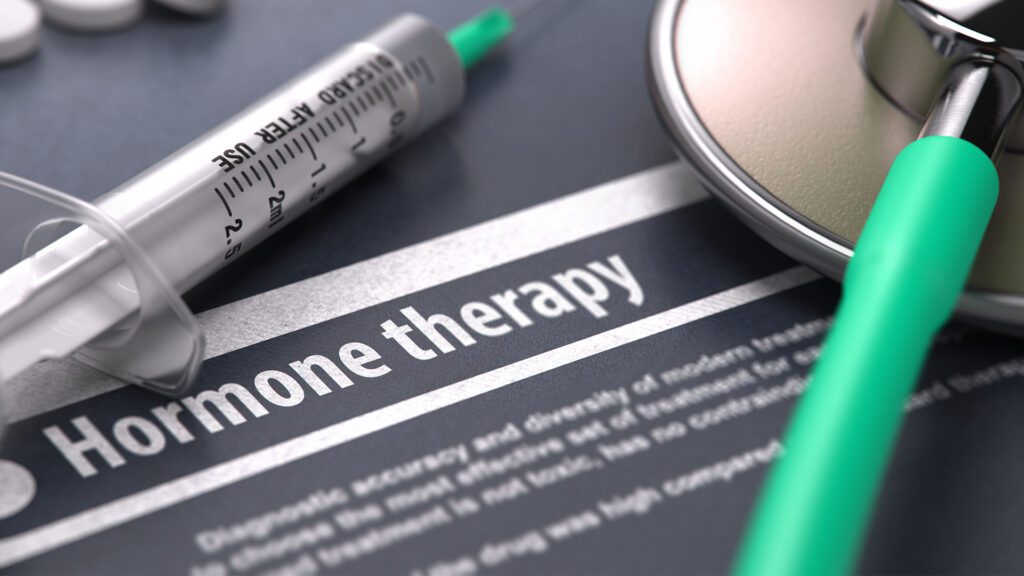
Hormones play a central role in how we feel, function and age. For both women and men, natural hormone levels begin to decline with age, often leading to symptoms that can affect quality of life. Bioidentical Hormone Replacement Therapy (BHRT) is one approach that has gained attention for helping restore balance and improve overall well-being.
Bioidentical hormones are compounds that are chemically identical to the hormones naturally produced by the human body. In women, declining estrogen, progesterone and testosterone levels during perimenopause and menopause can lead to symptoms such as hot flashes, sleep disturbances, genitourinary symptoms, mood changes, decreased libido, loss of muscle mass, and weight gain particularly through the midsection. In men, lower testosterone levels may contribute to fatigue, reduced muscle mass, increased body fat, decreased libido, and changes in mood, motivation and focus.
Beyond symptom relief, there is growing understanding of the broader role hormones play in long-term health. Estrogen has been shown to support cardiovascular health, help maintain bone density, and play a role in cognitive function. Testosterone, which is important for both men and women, contributes to muscle strength, bone health, and overall vitality, and also plays a key role in sexual health for both sexes. As hormone levels decline, these protective and functional benefits may diminish.
Hormone therapy has evolved significantly over the past two decades. Earlier concerns were largely influenced by findings from the Women’s Health Initiative, which initially raised questions about the safety of hormone replacement therapy. More recent analyses and updated guidance have provided important clarification, showing that for many individuals, particularly when therapy is initiated at the appropriate time and monitored closely, hormone therapy can be a safe and beneficial option. This has led to a more individualized, evidence-based approach to care.
There are several methods for delivering hormone therapy, allowing treatment to be tailored to each individual. Options may include oral medications, topical creams or gels, injections and subcutaneous pellets. Each method has its own advantages and considerations related to convenience, absorption and consistency of dosing. The choice of delivery is best made through a thoughtful discussion between a patient and their healthcare provider, taking into account medical history, preferences, and treatment goals.
It is also important to recognize that hormone therapy is not one-size-fits-all. Not everyone is a candidate, and careful evaluation is essential. A thorough medical assessment, appropriate lab testing, and ongoing monitoring are key components of safe and effective treatment.
For those experiencing symptoms of hormonal decline, understanding the available options can be empowering. When guided by current evidence and individualized care, hormone replacement therapy may offer meaningful improvements in quality of life while also supporting long-term health.
As with any medical decision, the most important step is an informed conversation with a qualified healthcare provider to determine what approach is appropriate for you.
If you have questions or would like more information, More Medical Aesthetics & Wellness is available as a resource. Call us at 414-375-5005.