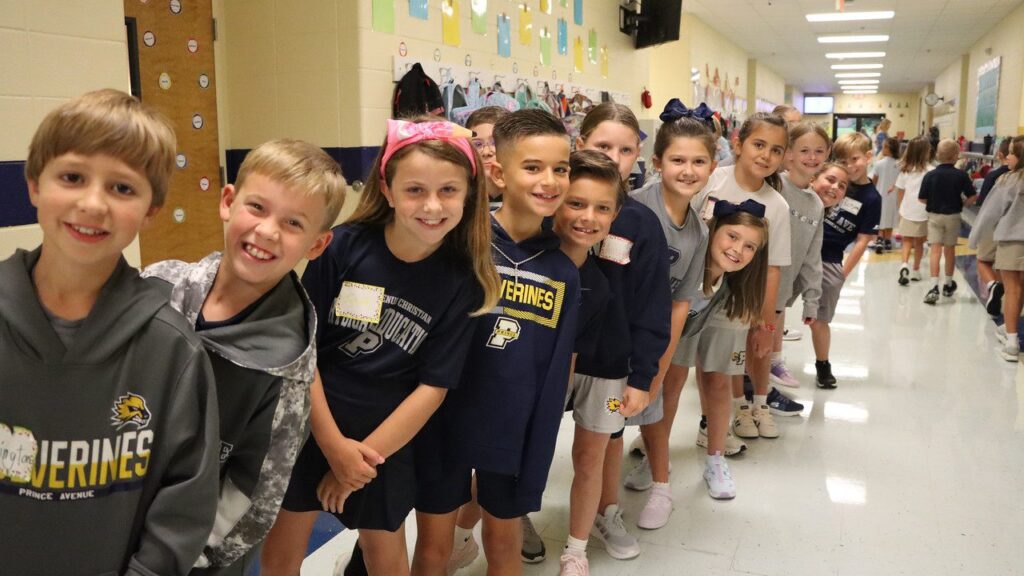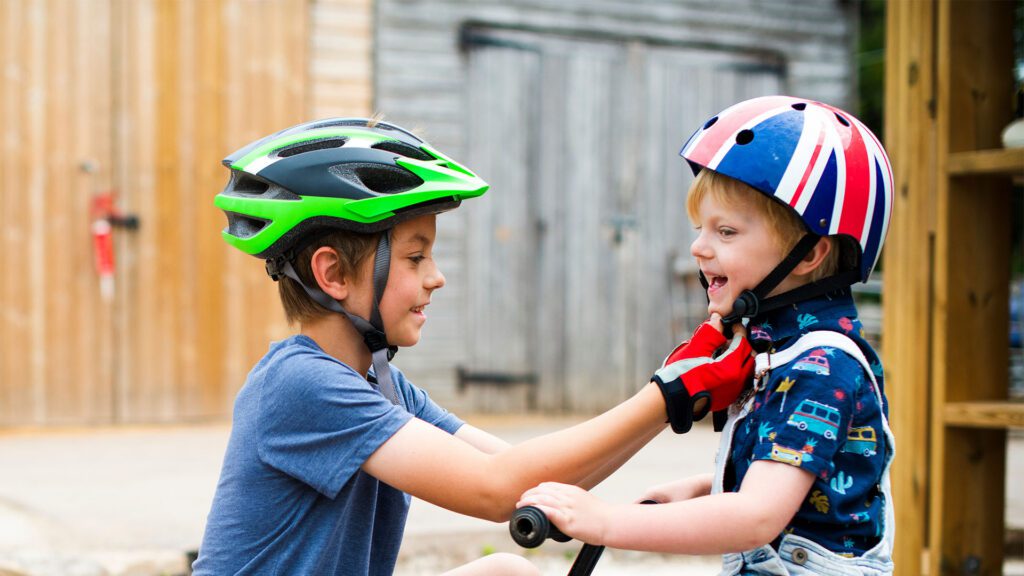
Each August, families across Oconee County begin another school year with many of the same hopes. They want their children to learn, develop good friendships, discover their talents, and ultimately become responsible young men and women prepared for whatever comes next.
Over the course of a full career as a Marine Corps officer, followed by nearly two decades in educational leadership, I have had the privilege of working with hundreds of families. Those experiences have reinforced a simple lesson: long-term success is rarely the product of talent alone. Habits, resilience, personal responsibility, and strong relationships matter tremendously.
For parents, that is encouraging because these qualities can be developed in children. Whether a child is entering kindergarten or beginning senior year, here are three simple practices that can make a meaningful difference in creating a positive and productive school year.
- Establish (and Protect) Healthy Routines
Students generally do better when life has a reasonable amount of structure.
That begins with the basics: adequate sleep, arriving at school on time, eating reasonably well, completing assignments, and predictable expectations at home. None of these practices are particularly exciting, but over the course of a 180-day school year, experience has proven they matter.
Technology has made this harder for parents. Phones, social media, gaming, streaming entertainment, and other digital distractions compete for students’ attention in ways previous generations did not face. Parents should feel confident setting boundaries, especially in the evening. Few students, whether in fifth grade or high school, benefit from unlimited device access late at night.
One of the greatest gifts parents can give their children is helping them learn that responsibilities generally come before recreation. We get enough sleep to do tomorrow’s work well. We get to school on time, complete homework on time, plan and study for assessments rather than cramming, and honor our commitments.
The most effective place for students to learn these habits is at home. Over time, they become something much more important: self-discipline.
- Don’t Remove Every Obstacle
Parents today are understandably invested in protecting their children. Yet allowing students to occasionally struggle or fail in a safe environment builds resilience, responsibility, and perseverance. Some of the most valuable lessons of childhood begin with something not going according to plan.
From time to time, students will receive disappointing grades, not make an athletic team, or not be cast in a play. They will also have disagreements with friends, forget assignments, receive consequences, or discover that someone else was selected for an opportunity they wanted. A parent’s first instinct is often to “fix it.” But sometimes the better approach is asking the question, “What can my child learn from this?”
There is tremendous value in allowing students to experience age-appropriate consequences while parents and teachers are still nearby to help them navigate those moments. A disappointing grade in seventh grade can teach habits that prevent a much larger problem in college. Sitting on the bench can teach perseverance. Working through a disagreement can develop maturity that will someday be needed in a marriage or in the workplace.
When your student experiences an obstacle, consider listening first. Ask questions. Help your child distinguish between something that is truly unfair and something that is simply difficult or disappointing. Then encourage him or her to talk through the issue and seek a solution or compromise. The goal of education is not to shield students from struggle. It is to help produce young adults who know what to do when difficulties inevitably arise.
- Build a Strong Partnership with Your Child’s School
The strongest schools I have seen are in communities where parents and educators understand that they are ultimately on the same side. Both want students to succeed. Both want them to be safe. Both want students to grow into capable, responsible people of character.
If your child comes home upset about something that happened at school, listen carefully – but remember that you are probably hearing one perspective on an event involving several people. Before reaching a conclusion, contact the teacher, coach, counselor, or administrator involved and ask for additional information. That simple practice teaches children something important: mature people seek understanding before passing judgment.
As children mature, parenting strategies should mature with them. The direct involvement appropriate in elementary school should gradually shift in middle and high school toward greater student accountability and responsibility. Parents remain engaged, but they increasingly move from managing daily decisions to coaching – providing guidance while allowing children to own their choices and consequences.
Grades matter. Test scores matter. Athletics, fine arts, clubs, and college admissions all have their place. But years from now, most parents will care far more about whether their children became honest, dependable, resilient, compassionate, and hardworking adults than whether they earned an A on a particular test.
These three practices will not guarantee a perfect school year. There is no such thing. But they can help make it a productive one – and, more importantly, help prepare children for the years that follow. That is work worth beginning in August and continuing all year long.
Have a great school year!
Any content, resident submissions, guest columns, advertisements, and advertorials are not necessarily endorsed by or represent the views of Best Version Media LLC (BVM) or any municipality, homeowners associations, businesses, or organizations that this publication serves. BVM is not responsible for the reliability, suitability, or timeliness of any content submitted, inclusive of materials generated or composed through artificial intelligence (AI). All content submitted is done so at the sole discretion of the submitting party.