
When we think about a good night’s sleep for children, we often think about bedtime routines, screen time and making sure they get enough hours in bed. But what if your child is sleeping for an appropriate amount of time and still isn’t getting the restorative sleep they need?
Sleep-disordered breathing (SDB) is a broad term for breathing difficulties during sleep. In children, it can range from habitual snoring and mouth breathing to obstructive sleep apnea, when breathing repeatedly becomes partially or completely blocked during sleep.
While sleep-disordered breathing is not a dental condition, dentists can sometimes notice oral signs that may suggest a child isn’t breathing or sleeping normally.
What Should Parents Watch For?
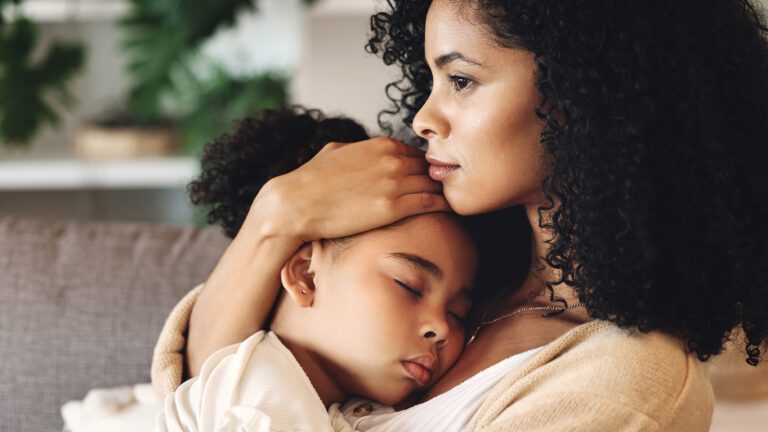
Some children with sleep-disordered breathing may snore regularly, breathe through their mouth while sleeping, have restless sleep or frequently change positions during the night. You may also notice pauses in breathing, gasping, noisy breathing or excessive sweating during sleep.
During the day, the signs can be less obvious. A child who isn’t sleeping well may seem unusually tired, have difficulty concentrating or appear irritable or hyperactive. Children don’t always respond to poor sleep by looking sleepy.
What Can a Dentist See?
The mouth and jaw can provide clues.
Persistent mouth breathing is one sign worth mentioning to your dentist. A child who frequently breathes through their mouth may also have a dry mouth, which can increase the risk of cavities and other oral health problems.
A dentist may also observe narrow dental arches, a high or narrow palate, crowding or certain bite patterns. These findings do not mean that a child has sleep apnea, but they can be reasons to ask additional questions about breathing, sleep and airway health.
Enlarged tonsils or adenoids can also contribute to restricted airflow in some children. A dentist cannot diagnose every cause of sleep-disordered breathing, but recognizing potential signs can help connect families with the appropriate healthcare professional for further evaluation.
Why Does It Matter?
Poor-quality sleep can affect more than energy levels. Adequate, uninterrupted sleep is important for children’s learning, behaviour, mood, growth and overall development.
If your child regularly snores, sleeps with their mouth open, seems unusually restless at night, wakes frequently, or has daytime behavioural or concentration changes, it’s worth discussing these observations with your child’s healthcare provider.
And don’t overlook what your dentist may notice during a routine examination.
Your Child’s Dental Visit Is About More Than Teeth
Regular dental examinations allow us to monitor your child’s teeth, gums, bite and oral development. They also give us an opportunity to notice signs that may warrant a conversation about breathing and sleep.
A dental finding alone cannot diagnose a sleep disorder, and not every child with a particular dental or facial characteristic has a breathing problem. However, when dental findings are combined with symptoms such as snoring or mouth breathing, they may be worth investigating.
If you have noticed that your child snores regularly, sleeps with their mouth open, or seems restless during sleep, bring it up at their next dental visit. Our team at Chiu Dental can assess your child’s oral development, discuss what we’re seeing and, when appropriate, recommend that you speak with your child’s physician or another qualified healthcare professional for further evaluation.
If you’re concerned about your child’s teeth, bite, mouth breathing or sleep-related symptoms, contact Chiu Dental to schedule an appointment. We’re here to help you understand what you’re seeing and make sure your child gets the appropriate care.
Any content, resident submissions, guest columns, advertisements, and advertorials are not necessarily endorsed by or represent the views of Best Version Media LLC (BVM) or any municipality, homeowners associations, businesses, or organizations that this publication serves. BVM is not responsible for the reliability, suitability, or timeliness of any content submitted, inclusive of materials generated or composed through artificial intelligence (AI). All content submitted is done so at the sole discretion of the submitting party.