At the beginning of a new year, many people feel a renewed sense of motivation to improve their health, get in shape, and finally commit to better habits. Gym memberships spike, fitness apps are downloaded, and hopeful resolutions are scribbled into planners. Yet by February, most resolutions fade — not because people lack willpower, but because expectations were unrealistic from the start. Lasting success in physical fitness begins with a grounded, thoughtful approach to goal-setting.
One of the biggest mistakes people make is trying to overhaul their entire lifestyle overnight. They resolve to work out seven days a week, eliminate all sugar, lose 20 pounds, and run a 5K — all at once. While ambition is admirable, the body and mind adapt best to steady, sustainable change. Drastic shifts may feel exciting initially, but they quickly become overwhelming, leading to burnout or frustration. Instead, meaningful fitness progress comes from small, consistent actions repeated over time.
Setting realistic goals is the foundation of durable change. A good fitness goal should be specific, measurable, and achievable within a reasonable timeframe. For example, instead of saying, “I want to get in shape,” aim for something like, “I will strength train three times a week for 30 minutes,” or “I will walk 8,000 steps a day.” These goals are actionable and clear, making it easier to track progress and stay motivated. When goals are narrow and manageable, you’re far more likely to build confidence and momentum.
Another important aspect of keeping resolutions is understanding that progress is rarely linear. Life happens — work schedules shift, kids get sick, motivation dips, and energy fluctuates. Instead of viewing these moments as failures, see them as part of the normal ebb and flow of any long-term journey. Missing a workout or indulging in a favorite food isn’t a setback unless you allow it to derail your entire plan. Fitness is not about perfection; it’s about consistency over weeks and months.
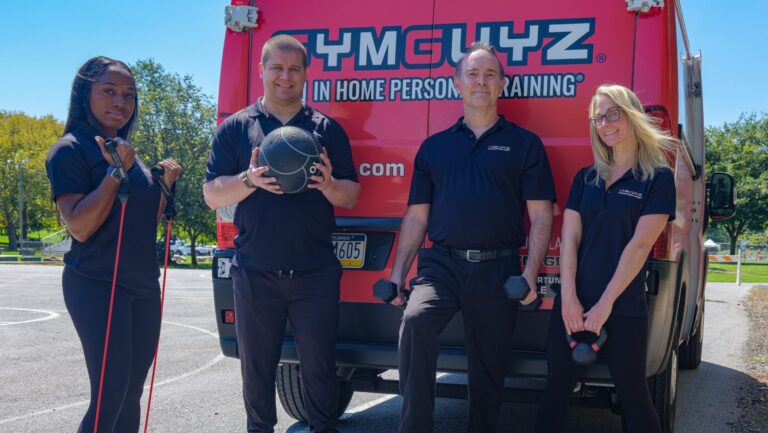
Accountability can also make a powerful difference. Whether it’s joining a class, hiring a personal trainer, or simply checking in with a friend who shares similar goals, having support helps reinforce commitment. Community often provides encouragement on days when motivation feels low, and it can make workouts more enjoyable. When the process becomes something you look forward to, staying consistent becomes much easier.
Finally, remember that fitness is not just about how you look — it’s about how you feel, both physically and mentally. Exercise improves mood, increases energy, reduces stress, and enhances overall well-being. When you focus on these benefits rather than purely aesthetic outcomes, your goals feel more meaningful and rewarding.
This New Year, give yourself permission to start small, stay patient, and embrace progress rather than perfection. With realistic expectations and a consistent mindset, your resolutions can become long-lasting habits that strengthen your health far beyond January — and well beyond 2026.
Any content, resident submissions, guest columns, advertisements, and advertorials are not necessarily endorsed by or represent the views of Best Version Media LLC (BVM) or any municipality, homeowners associations, businesses, or organizations that this publication serves. BVM is not responsible for the reliability, suitability, or timeliness of any content submitted, inclusive of materials generated or composed through artificial intelligence (AI). All content submitted is done so at the sole discretion of the submitting party.