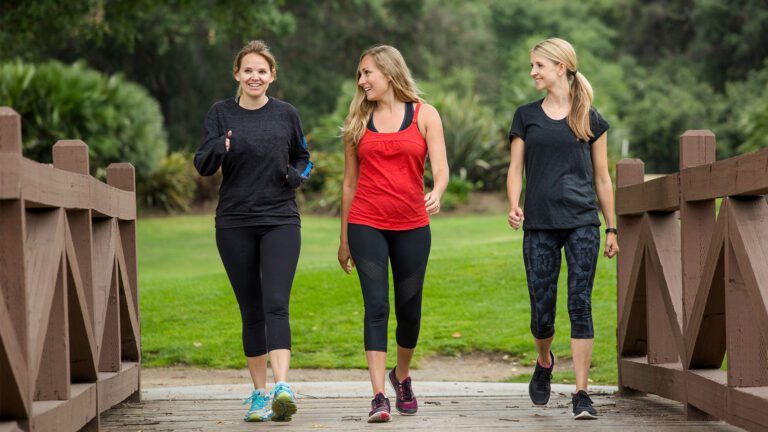
Working out with a partner can be one of the most effective and enjoyable ways to stay consistent with an exercise routine. Whether it’s a spouse, friend, co-worker, or training partner, having someone by your side adds accountability, motivation, and a social element that can make fitness feel less like a chore and more like a shared experience.
One of the biggest benefits of working out with a partner is accountability. It’s much easier to skip a workout when you’re only letting yourself down. When someone else is counting on you to show up, however, motivation tends to increase. A scheduled workout becomes a commitment rather than an option. This accountability can be especially helpful during busy weeks or when motivation naturally dips.
Motivation is another powerful advantage. A partner can push you to work a little harder, run a little farther, or finish that last set when you might otherwise stop. Friendly encouragement and positive competition often bring out better performance. On days when one person feels tired or unmotivated, the other can step in and provide the energy needed to keep moving. Over time, this shared motivation can lead to better consistency and improved results.
Working out with a partner also adds a layer of safety and confidence. For strength training, having a spotter allows you to lift heavier weights with better form and a reduced risk of injury. Even with activities like running or other outdoor workouts, having someone with you can make the experience feel safer and more comfortable. This increased sense of security can help people try new exercises or environments they might otherwise avoid.
The social aspect of partner workouts shouldn’t be overlooked. Exercise becomes a chance to connect, talk, and share goals. Many people find that workouts go by faster when they’re accompanied by conversation and laughter. This enjoyment can be the key to long-term adherence. When exercise is something you look forward to, rather than dread, it becomes much easier to maintain over time.
That said, successful partner workouts require some balance and communication. Fitness levels, goals, and schedules may differ, so it’s important to be flexible and supportive. Partners don’t need to perform the exact same workouts, but they should respect each other’s pace and objectives. Setting shared goals – such as completing a race, attending a certain number of workouts per week, or simply staying consistent – can help keep both people aligned.
Ultimately, working out with a partner can transform the fitness journey from a solitary task into a shared pursuit. The encouragement, accountability, and enjoyment that come from training together often lead to greater consistency and better results. Whether you’re just starting out or looking to reinvigorate your routine, finding the right workout partner may be the extra push you need to stay active and committed for the long haul.
Any content, resident submissions, guest columns, advertisements, and advertorials are not necessarily endorsed by or represent the views of Best Version Media LLC (BVM) or any municipality, homeowners associations, businesses, or organizations that this publication serves. BVM is not responsible for the reliability, suitability, or timeliness of any content submitted, inclusive of materials generated or composed through artificial intelligence (AI). All content submitted is done so at the sole discretion of the submitting party.