Starting to get fit for the summer is less about a dramatic transformation and more about building momentum. When warmer weather approaches, many people feel motivated to move more, eat better, and feel confident as they spend more time outdoors. The key is to start smart, stay consistent, and focus on habits that are realistic and sustainable.
Start with the Right Mindset
The first step is mindset. It’s easy to look at the calendar and feel pressure to “get in shape fast,” but that mindset often leads to burnout or injury. Instead, think of summer fitness as a gradual ramp-up. Small changes done consistently—like adding a few workouts per week or improving daily food choices—create far better results than extreme, short-term efforts. Progress, not perfection, should be the goal.
Build a Consistent Movement Routine
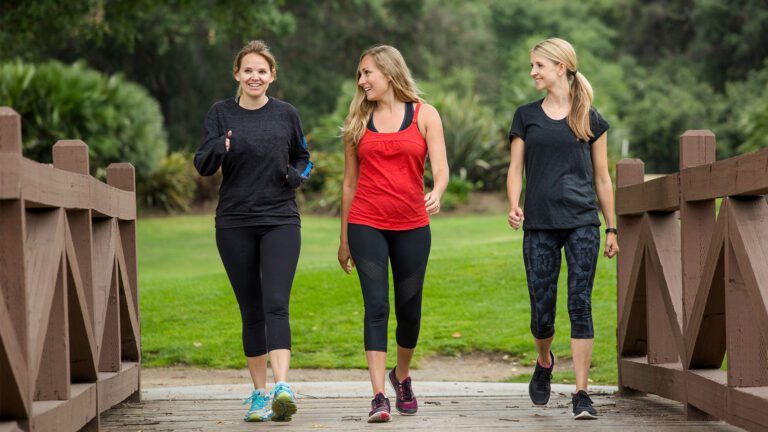
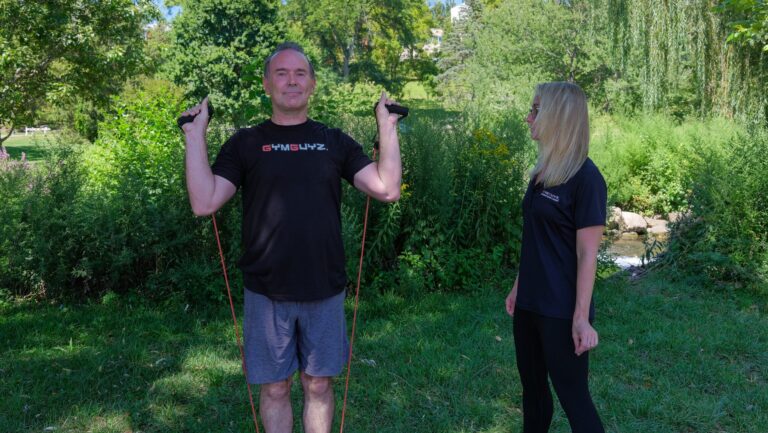
Once your mindset is in place, focus on movement. If you’ve been inactive, start simple. Walking is one of the most effective and underrated ways to begin getting fit. A daily 20- to 30-minute walk builds cardiovascular endurance, burns calories, and helps establish a routine. As your fitness improves, you can layer in strength training two to four times per week. Strength training is crucial because it builds muscle, supports joint health, and increases metabolism, helping you look and feel stronger as summer approaches.
Make Cardio Work for You
Cardio should be viewed as a tool, not a punishment. Choose activities you enjoy, such as cycling, swimming, hiking, or group classes. Enjoyable workouts are easier to stick with and make fitness feel like part of your lifestyle rather than a chore. Mixing moderate-intensity cardio with short bursts of higher effort can also improve conditioning efficiently without requiring long workouts.
Focus on Simple, Sustainable Nutrition
Nutrition is another major piece of the puzzle. Starting to get fit for the summer doesn’t mean following a restrictive diet. Instead, focus on simple, effective habits: eating enough protein, filling half your plate with fruits and vegetables, and minimizing highly processed foods. Planning meals and snacks ahead of time can prevent impulsive choices that derail progress. When temperatures rise, hydration becomes even more important—drinking enough water supports energy, performance, and recovery.
Prioritize Recovery and Daily Habits
Lifestyle habits outside the gym matter just as much. Sleep, stress management, and daily movement all influence results. Aim for consistent sleep, as it plays a critical role in muscle recovery and fat loss. Look for ways to move more throughout the day, such as taking the stairs, stretching during breaks, or spending time outdoors. These small actions add up and support your overall fitness goals.
Be Patient and Play the Long Game
Finally, be patient with yourself. Results don’t happen overnight, but they do happen when effort is consistent. Celebrate small victories, like increased energy, better workouts, or improved mood. Starting to get fit for the summer is about setting up a foundation you can build on—not just for the season, but for long-term health and confidence.
Any content, resident submissions, guest columns, advertisements, and advertorials are not necessarily endorsed by or represent the views of Best Version Media LLC (BVM) or any municipality, homeowners associations, businesses, or organizations that this publication serves. BVM is not responsible for the reliability, suitability, or timeliness of any content submitted, inclusive of materials generated or composed through artificial intelligence (AI). All content submitted is done so at the sole discretion of the submitting party.