As winter fades and temperatures begin to rise, spring brings longer days, blooming plants, and an uptick in bug activity. Warmer weather, increased moisture, and abundant food sources make spring the perfect season for many insects to emerge. While most are simply part of the natural cycle, knowing which bugs to expect can help you stay prepared. Below are some of the most common bugs you’re likely to notice as spring approaches, along with why they show up and what they’re up to.
Mosquitoes
Mosquitoes are among the first pests to make a comeback in spring. As temperatures rise and rain becomes more frequent, standing water forms in yards, gutters, and containers—creating ideal breeding grounds for mosquito larvae. Even small amounts of water can support their development. Interestingly enough, only female mosquitoes bite. They require blood to produce eggs, while male mosquitoes feed on nectar and plant sugars. There are over 2500 species of mosquitoes throughout the world, 150 have been found in the United States, 73 found in Florida and 48 species have been found in Wakulla County. As temperatures continue to rise, mosquito populations can grow quickly.
Termite Swarmers
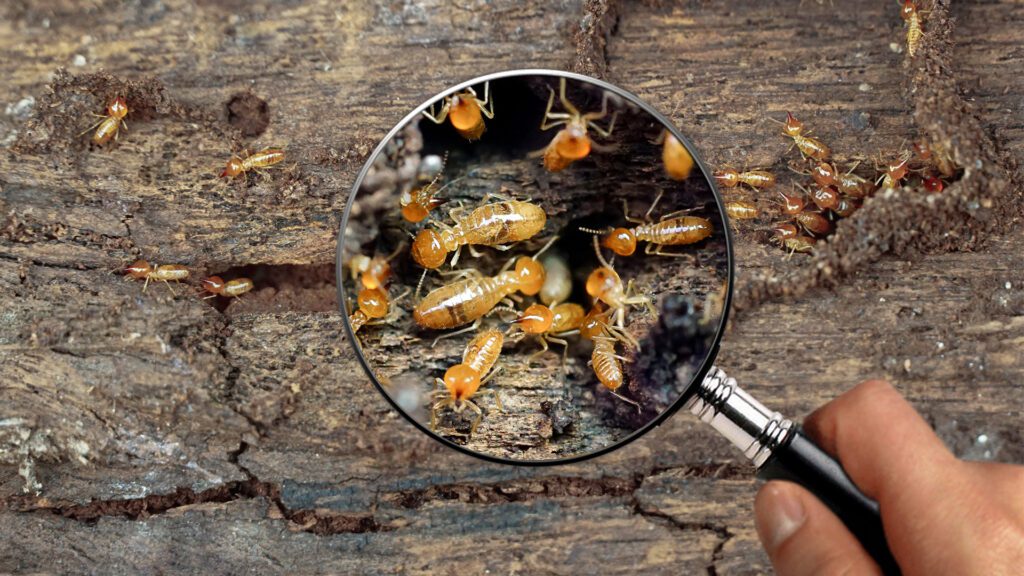
Spring is the swarming season for termites. Termite swarmers are winged adults that leave established colonies to mate and search for a new place to form colonies of their own. These swarms often occur after warm, rainy days. Spotting swarmers indoors or finding discarded wings near windows and doors can be a warning sign. It may indicate that a termite colony is nearby—or already inside the structure—making early detection especially important during spring months. Termite swarmers are often confused with flying ants.
Ants
Ant activity increases significantly in spring as colonies wake up from winter dormancy. Worker ants begin foraging to support the growing colony, often traveling long distances in search of food and water. Inside homes, ants are commonly attracted to sugary foods but commonly switch between protein and sugary foods, crumbs, and moisture. Cracks, gaps, and entry points around doors and windows provide easy access as they expand their search for resources.
Spiders
Spiders tend to become more noticeable in spring, even though many have been present year round. Warmer weather triggers mating behavior, which causes spiders to move around more frequently. Additionally, the rise in insect populations gives spiders an abundant food supply. While they may seem unsettling, spiders play a helpful role by feeding on other pests, which help keep insect numbers in check.
Fleas
Fleas thrive in warm, humid conditions, making spring the start of peak flea season. As temperatures rise, flea eggs hatch more quickly and populations can grow rapidly. Pets are often the main carriers of fleas in homes. Dogs and cats can pick them up while spending time outdoors, unknowingly bringing them inside where fleas can spread to carpets, furniture, and bedding.
Ticks
Ticks also become more active in spring as temperatures climb. They are commonly found in grassy, wooded, and brushy areas, where they wait for animals or people to pass by. These pests feed on blood and can attach to pets and humans alike. Because ticks can transmit diseases, performing regular tick checks after outdoor activities becomes especially important during spring.
Spring bug activity is a natural and predictable part of the changing seasons. Mosquitoes, termites, ants, spiders, fleas, ticks and all other local bugs become more prevalent and active as weather conditions improve. Being aware of these seasonal patterns can help you take early preventive steps and reduce unwanted encounters as spring settles in.
For more information, call Capital City Pest Control today at (850) 694-7056.
Any content, resident submissions, guest columns, advertisements, and advertorials are not necessarily endorsed by or represent the views of Best Version Media LLC (BVM) or any municipality, homeowners associations, businesses, or organizations that this publication serves. BVM is not responsible for the reliability, suitability, or timeliness of any content submitted, inclusive of materials generated or composed through artificial intelligence (AI). All content submitted is done so at the sole discretion of the submitting party.