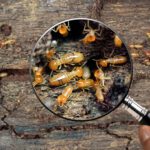
In Florida, termites are not a rare nuisance — they are a fact of life. With the state’s warm temperatures, high humidity, and frequent rainfall, termites thrive year-round. For homeowners, this means infestations are not a matter of if they will happen, but when. Understanding the types of termites common in Florida, how they operate, and how they are treated is essential to protecting your home.
Eastern vs. Formosan Subterranean Termites
The most common termite species in Florida is the Eastern Subterranean termite. These termites live in underground colonies that can contain hundreds of thousands of individuals. They rely on moisture from the soil and construct mud tubes to travel from the ground to wood structures. Eastern subterranean termites feed steadily on cellulose materials such as wood, drywall paper, and even books. Because they work slowly and quietly, damage can go unnoticed for years.
The Formosan subterranean termite, often referred to as the “super termite,” is far more aggressive. Originally introduced through shipping ports and railroad ties transported across the country, this species has spread throughout many parts of Florida. Formosan colonies can reach several million termites. Unlike Eastern termites, Formosans are capable of creating aerial nests inside walls, attics, or roof structures when moisture is present. This allows them to cause severe structural damage in a much shorter period of time — sometimes within months rather than years.
How Termites Live and Work
Both Eastern and Formosan termites are highly organized social insects. Their colonies consist of workers, soldiers, and reproductive termites. Workers feed the colony, soldiers defend it, and reproductives swarm to establish new colonies. In Florida, termite swarms typically occur in spring and summer, though warm temperatures can trigger activity at almost any time of year.
Because termites consume wood from the inside out, infestations are rarely obvious in the early stages. Homeowners often do not realize they have termites until hollow wood, visible mud tubes, or structural damage appears — usually after significant harm has already occurred.
Liquid Treatments vs. Bait Stations
When it comes to termite protection, two of the most common treatment options are liquid treatments and bait stations.
Liquid termite treatments create a continuous chemical barrier in the soil surrounding a structure. When termites pass through this treated zone, they are either repelled or eliminated. Liquid treatments provide immediate protection and are especially effective for active infestations or high-risk properties. When properly applied, they can protect a home for many years.
Bait stations function differently. Installed around the perimeter of a home, they contain materials termites find attractive. Once termites feed on the bait, they carry it back to the colony, gradually eliminating it from within. Although bait systems work more slowly, they are highly effective for targeting entire colonies and provide ongoing monitoring and long-term prevention.
Why Prevention Matters
In Florida’s termite-friendly environment, no home is immune. Whether dealing with Eastern subterranean termites or the more destructive Formosan species, early detection and professional treatment are critical. Regular inspections and a proactive protection plan can mean the difference between minor repairs and major structural damage.
When it comes to termites in Florida, staying ahead of the problem is always the best defense.
Give Capital City Pest Control a call today at (850) 694-7056 for more information!
Any content, resident submissions, guest columns, advertisements, and advertorials are not necessarily endorsed by or represent the views of Best Version Media LLC (BVM) or any municipality, homeowners associations, businesses, or organizations that this publication serves. BVM is not responsible for the reliability, suitability, or timeliness of any content submitted, inclusive of materials generated or composed through artificial intelligence (AI). All content submitted is done so at the sole discretion of the submitting party.