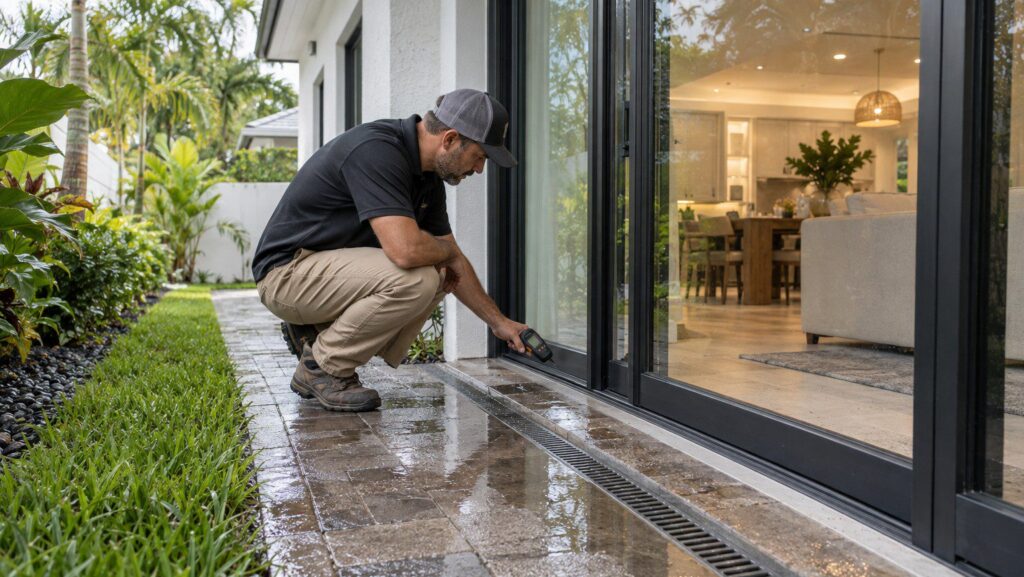
Living in South Florida offers an incredible quality of life—sunshine, water views, and year-round outdoor living. But along with that lifestyle comes a reality many homeowners underestimate: flooding is one of our greatest risks, and it’s not limited to coastal or waterfront properties.
As a Florida Property and Casualty insurance agent, one of the most common misconceptions I encounter is homeowners believing they are protected against flood damage when, in fact, they are not. Understanding how flood insurance works—and why it matters regardless of where your home is located—can make all the difference when the unexpected happens.
One of the biggest surprises for homeowners is learning that standard homeowner’s insurance does not cover flood damage. Even when flooding is caused by a hurricane or tropical storm, water that rises from the ground up—whether from heavy rainfall, storm surge, overflowing canals, or rising groundwater—is considered flood damage and is excluded from homeowner’s policies. Flood insurance is a separate policy entirely, and without it, homeowners are often left paying for repairs out of pocket.
Another common belief is that flood insurance is only necessary if your home is in a designated high-risk flood zone or if your mortgage lender requires it. In reality, flooding can happen almost anywhere in South Florida. Our flat terrain, high water table, aging drainage systems, and increasingly intense rain events mean that even homes far from the coast are vulnerable. In fact, a significant percentage of flood claims come from properties located outside of high-risk flood zones. Many of these homes are also eligible for lower-cost flood insurance, making coverage both affordable and practical.
Flood insurance itself is designed to protect both your home and your belongings, but coverage is divided into two parts that homeowners must choose intentionally. Building coverage protects the physical structure of the home, including the foundation, walls, electrical and plumbing systems, HVAC units, built-in appliances, flooring, and permanently installed cabinets and fixtures. Contents coverage protects personal belongings such as furniture, clothing, electronics, window treatments, and area rugs. One of the most common oversights is homeowners focusing on the structure while underestimating how costly it would be to replace everything inside their home.
It’s just as important to understand what flood insurance does not cover. Vehicles, landscaping, pools, patios, and most outdoor features are excluded. Temporary living expenses, such as hotel stays during repairs, are not covered, nor are valuables like currency or precious metals. Coverage is also limited for items located below base flood elevation, which can be especially relevant for ground-level spaces or basements. Knowing these limitations ahead of time helps homeowners plan appropriately and avoid surprises after a loss.
There are also critical timing issues that many homeowners miss. Flood insurance policies typically have a 30-day waiting period before coverage takes effect. This means you cannot wait until a storm is approaching or a flood watch is issued to secure protection. Another common misunderstanding is relying on federal disaster assistance. Disaster aid is only available if an area is officially declared a disaster, and even then, assistance often comes in the form of loans that must be repaid. Flood insurance, on the other hand, provides defined, dependable coverage regardless of disaster declarations.
Expert Tip: Flood insurance is often most affordable for homes located outside high-risk flood zones, yet these homes still account for a large portion of flood claims. Reviewing your flood risk before hurricane season—not after a storm is named—gives you more coverage options, better pricing, and peace of mind when it matters most.
With stronger storms, heavier rainfall, and ongoing development affecting natural drainage, flooding in South Florida is becoming more frequent and less predictable. Flood insurance is no longer just a requirement for certain mortgages; it is an essential part of protecting one of your largest investments.
If you are unsure whether your home is properly protected, or if you have never reviewed your flood insurance options, now is the time to take a closer look. Our agency specializes in helping South Florida homeowners understand their unique risks and identify coverage gaps before a loss occurs. We invite you to contact us for a comprehensive review of your insurance policies and to ensure your home and belongings are properly protected—so you can face the future with confidence, not uncertainty.
Any content, resident submissions, guest columns, advertisements, and advertorials are not necessarily endorsed by or represent the views of Best Version Media LLC (BVM) or any municipality, homeowners associations, businesses, or organizations that this publication serves. BVM is not responsible for the reliability, suitability, or timeliness of any content submitted, inclusive of materials generated or composed through artificial intelligence (AI). All content submitted is done so at the sole discretion of the submitting party.