A practical approach to building Northern Michigan’s workforce
Northern Michigan cannot afford to wait for outside solutions to its workforce challenges. In a region where distance, demographics, and labor shortages are real constraints, workforce strength is something we must build intentionally and locally. That reality, often framed as a challenge, is also one of our most important opportunities.
Here, workforce development is not an abstract policy conversation. It is the day-to-day work of helping residents build skills that translate into meaningful employment, and helping employers grow talent in a market where recruiting from elsewhere is increasingly difficult. The most reliable strategy remains one we know well: growing our own.
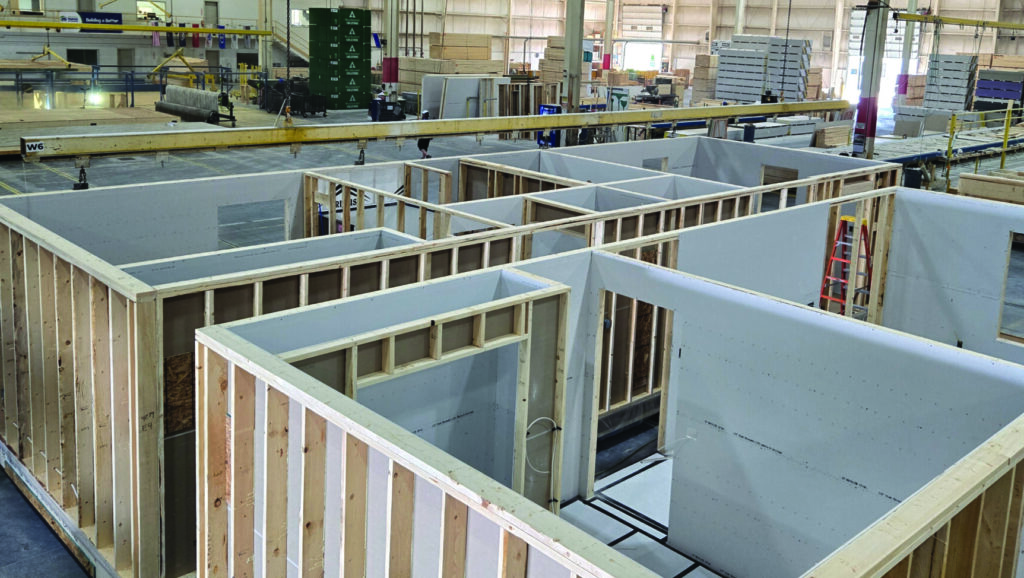
At North Central Michigan College, this work centers on aligning education with real jobs and real lives. That means training that is local, timely, and shaped directly by the needs of Northern Michigan employers. Over the past academic year, the college supported employer-driven training for local manufacturers in areas such as CNC, mechatronics, leadership, communication, and creating a culture of belonging, strengthening the skills of incumbent workers while helping businesses promote from within.
Noncredit credentials are a key part of this approach. Designed for adults balancing work, family, and community commitments, these programs emphasize short timelines, hands-on instruction, and clearly defined skill outcomes. In mid-2022, North Central launched Fast Track career programming to meet demand in high-need fields such as healthcare and manufacturing. Over the past year, 251 participants completed Fast Track training, providing employers with a dependable pipeline of job-ready talent and residents with a practical pathway to career mobility.
Training works best when employers are actively involved—defining the competencies that matter and validating what “job-ready” looks like in practice. Community colleges are uniquely positioned to convene those conversations and respond quickly, translating workforce needs into accessible training with schedules that work and credentials that carry meaning.
A resilient talent pipeline also depends on a culture of learning. North Central’s Lifelong Learning program now serves more than 9,000 learners annually, delivering 9,400 enrollments across 335 classes last year alone. Youth programs contribute as well. During Summer 2025, the college’s Summer Learning Academy engaged 453 students across 40 classes, building curiosity, confidence, and early exposure to future careers.
When these efforts connect, the benefits are tangible. Employers gain a responsive partner. Residents gain opportunity and mobility. And Northern Michigan gains long-term resilience, reflected in businesses that can grow, essential services that can be staffed, and families who can build a future here at home.
Key Takeaways
Effective strategies to building workforce talent tend to share these common elements:
- Partnering locally to define job-ready skills. Employers who articulate the specific competencies they need — and collaborate with education partners to validate them — create clearer pathways from training to employment.
- Investing in short-term, skill-based training. Programs with focused timelines and hands-on instruction help working adults move quickly from interest to capability.
- Promoting from within whenever possible. Upskilling incumbent workers strengthens retention, preserves institutional knowledge, and signals long-term commitment to employees.
- Designing learning around real life. Flexible schedules, applied instruction, and clearly defined outcomes make training more accessible for adults balancing work, family, and community commitments.
Any content, resident submissions, guest columns, advertisements, and advertorials are not necessarily endorsed by or represent the views of Best Version Media LLC (BVM) or any municipality, homeowners associations, businesses, or organizations that this publication serves. BVM is not responsible for the reliability, suitability, or timeliness of any content submitted, inclusive of materials generated or composed through artificial intelligence (AI). All content submitted is done so at the sole discretion of the submitting party.