For many women, the transition into perimenopause and menopause brings unexpected challenges with weight. Diets that once worked no longer do. Exercise feels harder. Fat settles in new places. Despite best efforts, the scale often refuses to budge.
This is not a lack of discipline. It is biology.
Hormonal shifts during this stage of life change how the body stores fat, regulates blood sugar, and responds to stress. Understanding and addressing these changes is essential for effective and sustainable weight loss after 40.
Why Weight Loss Changes After 40
As estrogen levels fluctuate and decline, metabolism slows and insulin sensitivity decreases. Estrogen plays a key role in fat distribution and appetite regulation, so changes often lead to increased abdominal fat, higher cortisol levels, disrupted sleep, and lower energy.
Shifts in progesterone and testosterone can also impact mood, muscle mass, motivation, and recovery. Together, these changes make traditional diet and exercise strategies far less effective.
Why Hormone Balance Matters
Many women focus solely on calorie restriction or intense workouts without addressing hormone imbalances. When hormones are out of balance, the body often resists weight loss as a protective response, leading to stalled progress and frustration.
Optimizing hormones helps restore metabolic function, improve energy, support blood sugar balance, reduce inflammation, and create an environment where weight loss efforts can be more successful.
GLP-1 Medications and Hormone Health
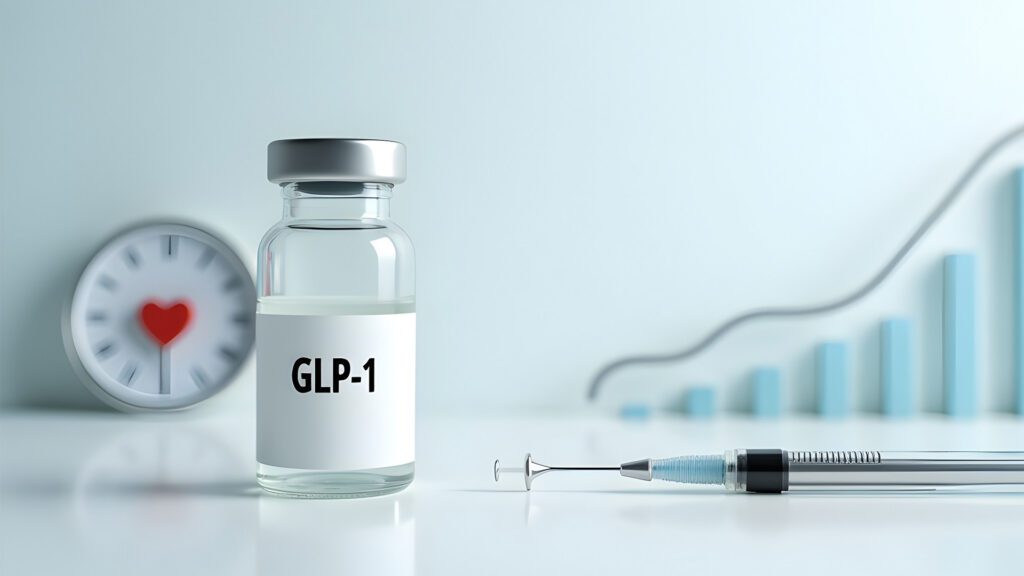
GLP-1 medications can be an effective tool for weight management, especially for women experiencing insulin resistance. These medications help regulate appetite and blood sugar, but they are most effective when hormone levels are properly evaluated and supported.
Balancing estrogen, progesterone, thyroid, cortisol, and testosterone helps ensure safer, more sustainable results.
A Personalized Approach
There is no single solution for weight loss during menopause. Comprehensive lab testing and individualized treatment plans allow providers to address root causes and support long term wellness.
Weight loss after 40 is not about doing more. It is about working smarter by supporting hormone health first. Every treatment plan is thoughtfully customized to the individual, with ongoing professional guidance and support provided at every stage of the journey.
Any content, resident submissions, guest columns, advertisements, and advertorials are not necessarily endorsed by or represent the views of Best Version Media LLC (BVM) or any municipality, homeowners associations, businesses, or organizations that this publication serves. BVM is not responsible for the reliability, suitability, or timeliness of any content submitted, inclusive of materials generated or composed through artificial intelligence (AI). All content submitted is done so at the sole discretion of the submitting party.