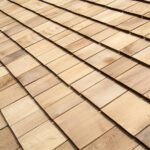
Northeast Ohio’s climate presents significant challenges for roofing materials, including heavy lake-effect snow from Lake Erie, severe winter conditions with ice dams and freeze-thaw cycles, spring hail events, intense summer thunderstorms accompanied by high winds, and periods of high humidity and heat that accelerate material degradation. In areas such as Jackson Township and surrounding communities, selecting between traditional asphalt shingles and durable metal roofing requires careful consideration of budget, expected longevity, and performance under these four-season extremes.
Both options are viable, yet they differ markedly in key performance areas. Below is a structured comparison tailored to Northeast Ohio conditions.
Upfront Cost: Asphalt Shingles Offer Greater Initial Affordability
Asphalt shingles remain the most cost-effective option upfront. Architectural (or dimensional) shingles provide enhanced wind resistance and aesthetic appeal compared to traditional three-tab varieties, though at a moderately higher price point within the category.
Metal roofing encompasses a range of options at varying price levels. Advances in manufacturing have introduced textured finishes from many producers. Standing seam systems are generally the most durable, featuring concealed fasteners that enhance longevity; warranties depend on coating type and material gauge (thickness). Prefabricated metal panels with exposed fasteners offer a more budget-conscious alternative to standing seam, utilizing thinner gauges and less premium coatings while still outperforming shingles in most respects.
Verdict: Asphalt shingles are preferable for projects prioritizing immediate affordability or short-term ownership. Metal roofing represents a higher initial investment but delivers substantial long-term returns.
Lifespan and Long-Term Value: Metal Roofing Provides Superior Durability
In Northeast Ohio’s demanding environment, asphalt shingles typically last 15–30 years, with high-quality architectural shingles approaching 25–30 years under optimal maintenance. Freeze-thaw cycles contribute to cracking, curling, and granule loss; heavy snow imposes additional weight stress, and hail often results in bruising or impact damage.
Metal roofs consistently achieve 40–70+ years, with many manufacturers offering lifetime warranties. They exhibit excellent resistance to cracking, warping, and ice dam formation. For systems with exposed fasteners, occasional screw replacements may be required after 20+ years, but overall maintenance remains minimal.
Over a 40–50-year horizon, asphalt shingles may require 2–3 full replacements, significantly increasing cumulative costs. Metal roofing frequently offsets its higher upfront expense through
reduced replacement frequency, lower maintenance needs, and potential insurance discounts in storm-prone regions.
Verdict: Metal roofing is the more prudent long-term choice for most Northeast Ohio homeowners.
Durability in Northeast Ohio’s Weather Conditions: Metal Excels in Extreme Environments
The region experiences lake-effect snow accumulations (often measured in feet in affected areas), ice dams, hail (particularly in spring), wind gusts exceeding 60 mph, and wide temperature fluctuations from below -10°F to over 90°F.
- Asphalt shingles perform adequately under moderate conditions but are vulnerable: hail leads to granule loss and bruising, high winds can lift tabs, and snow/ice accumulation promotes dams and leaks, while freeze-thaw accelerates deterioration.
- Metal roofing demonstrates superior performance: Class 4 impact-rated panels resist hail denting effectively, withstand wind speeds of 120–140+ mph, shed snow rapidly to mitigate ice-dam risks, and endure freeze-thaw cycles without structural compromise. Many options also carry a Class A fire rating.
Local roofing professionals and insurers frequently recommend metal in hail- and wind-prone or heavy-snow suburbs, where reduced claim frequency can translate to insurance premium savings.
Verdict: Metal roofing offers markedly better protection and reliability in Northeast Ohio’s harsh, variable climate.
Energy Efficiency and Indoor Comfort
Metal roofs, especially those with reflective “cool” coatings, deflect solar heat, resulting in cooler attics during humid summers and reduced cooling costs. Efficient snow shedding further minimizes ice dam formation.
Asphalt shingles absorb more heat, elevating attic temperatures and energy consumption, though select impact-resistant “cool” variants provide some mitigation.
Verdict: Metal roofing provides a clear advantage in year-round energy efficiency, particularly amid rising utility expenses.
where reduced claim frequency can translate to insurance premium savings.
Verdict: Metal roofing offers markedly better protection and reliability in Northeast Ohio’s harsh, variable climate.
Additional Practical Considerations
- Noise: Metal roofs can amplify sounds from rain or hail, though proper underlayment and insulation substantially reduce this effect. Asphalt shingles remain inherently quieter.
- Aesthetics: Asphalt shingles offer a wide range of traditional styles and color options. Metal provides a sleek, contemporary appearance, with standing seam systems imparting a premium look suitable for many Northeast Ohio residences.
- Maintenance: Asphalt shingles require periodic inspections for moss, algae, and damage. Metal roofs demand minimal ongoing care.
- Weight and Installation: Metal systems are often comparable to or lighter than shingles per square foot but necessitate experienced installers, particularly on older structures. A professional assessment of structural capacity is advisable.
Final Recommendation for Northeast Ohio Homeowners
- Opt for asphalt shingles if budget constraints are primary, your property experiences milder conditions (e.g., reduced lake-effect exposure), or you anticipate shorter-term ownership. They remain reliable, widely available, and compatible with most architectural styles—continuing as the predominant choice regionally.
- Opt for metal roofing if long-term residency is planned, exposure to heavy snow, hail, or wind is significant (common near Lake Erie), maximum durability and energy savings are priorities, or minimal maintenance is desired. In Northeast Ohio’s climate, metal roofing frequently proves to be the more resilient and cost-effective solution over the decades.
Selecting a Qualified Roofing Contractor
Choosing the right professional is essential for a successful installation. Key evaluation criteria include:
- Is the company an established local business with a proven track record in the area?
- Are they fully insured, including liability and workers’ compensation coverage?
- What is their reputation, based on customer reviews, references, and industry standing?
- What warranties are offered? Distinguish between prorated (decreasing payout over time) and non-prorated product warranties, as well as the duration and scope of workmanship guarantees.
- Are they providing genuine premium products, or lower-quality substitutes?
- Does the estimate include a detailed breakdown of materials, labor, removal/disposal, and all work to be performed?
By prioritizing these factors, homeowners in Jackson Township and nearby areas can secure a high-quality roof replacement that withstands the region’s challenging weather for years to come.
Any content, resident submissions, guest columns, advertisements, and advertorials are not necessarily endorsed by or represent the views of Best Version Media LLC (BVM) or any municipality, homeowners associations, businesses, or organizations that this publication serves. BVM is not responsible for the reliability, suitability, or timeliness of any content submitted, inclusive of materials generated or composed through artificial intelligence (AI). All content submitted is done so at the sole discretion of the submitting party.