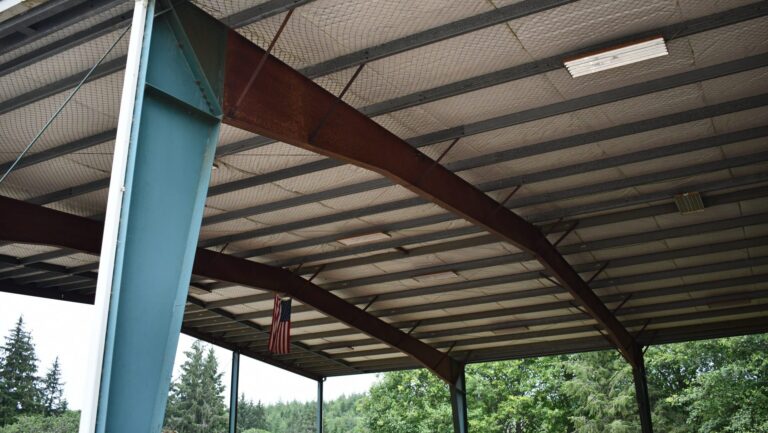
For many homeowners, a pole barn or post-frame building begins as a simple idea, extra storage, a workshop, or space for hobbies, but careful planning early on can greatly impact satisfaction with the finished project.
One of the first considerations is how the building may be used over time. While today’s needs might be storage or parking, future plans could include a workshop, recreational space, or finished interior. Planning ceiling height, door sizes, and layout in advance can help avoid costly changes later.
Site preparation also plays an important role. Proper grading, drainage, and orientation help protect the structure from moisture and improve long-term durability.
Material selection matters as well. Choosing the right lumber, metal roofing, siding, and trims and coordinating them as a complete plan can reduce delays and confusion during construction.
Working with experienced local professionals who understand post-frame construction helps homeowners move confidently from concept to completion, creating a practical, long-lasting addition that adds real value to their property.
Improving Efficiency on Post-Frame Projects Through Planning and Coordination
For contractors, efficiency on post-frame projects often depends on preparation and coordination well before materials reach the jobsite. Clear planning at the design stage, confirming dimensions, wall height, door placement, and interior use, helps crews work efficiently and reduces mid-project changes that can slow progress.
Material coordination is equally important. Planning lumber, metal panels, trims, and accessories as a complete package helps prevent delays caused by missing or mismatched components and maintains consistency throughout the build.
Scheduling is impacted by turnaround time. Working with suppliers who have in-house manufacturing capabilities can provide faster lead times and greater flexibility, helping contractors stay on schedule.
Strong communication between contractors, suppliers, and property owners helps keep expectations aligned from start to finish. When everyone works from the same plan, projects move smoothly, costs stay controlled, and results meet both functional and visual goals. Thoughtful planning and coordination remain key to delivering successful post-frame buildings on time and with confidence.
Any content, resident submissions, guest columns, advertisements, and advertorials are not necessarily endorsed by or represent the views of Best Version Media LLC (BVM) or any municipality, homeowners associations, businesses, or organizations that this publication serves. BVM is not responsible for the reliability, suitability, or timeliness of any content submitted, inclusive of materials generated or composed through artificial intelligence (AI). All content submitted is done so at the sole discretion of the submitting party.