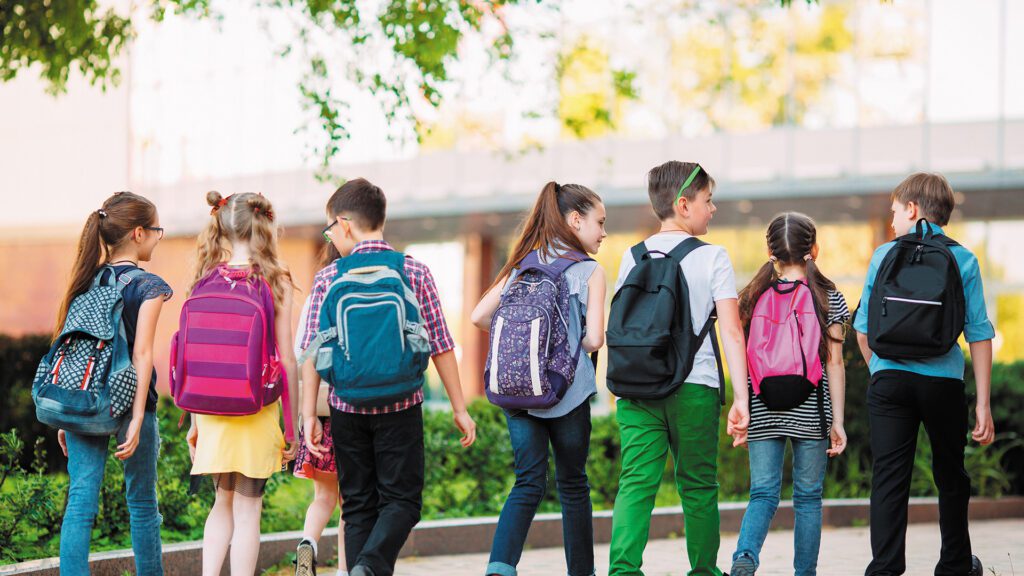
As summer fades, families begin preparing for one of the year’s biggest transitions. For many children, returning to school is exciting—a chance to reconnect with friends, meet new teachers, and begin another year of learning. For others, however, the start of school can bring uncertainty, anxiety, and emotional stress.
Why Transition Feels So Difficult
Summer allows children and teens to enjoy a level of independence that halts overnight once school begins. Summer is a sense of freedom that is naturally rewarding.
Morning alarms replace gradual wakeups. Homework replaces unstructured afternoons. Classroom expectations, tests, extracurricular activities, and social pressures quickly become everyday life.
Every classroom contains students who are quietly managing challenges while trying to meet the same expectations as their peers.
When Losing Freedom Feels Like Losing Control
Adults sometimes underestimate how important a sense of independence is for children. During summer, children often have freedom to decide how to spend much of their day. School means many of those choices are replaced with structured schedules and adult-directed expectations.
For some children, that loss of autonomy creates emotional distress that may appear in unexpected ways.
Parents may notice increased irritability, emotional outbursts, sleep problems, stomach aches before school or reluctance to attend school. These reflect a child who is feeling overwhelmed by change and struggling to regain a sense of control.
Recognizing When Anxiety or Depression May Be Present
Some nervousness during the first weeks of school is perfectly normal. Persistent emotional distress, however, deserves attention.
Children experiencing anxiety may complain of physical issues before school, worry excessively about making mistakes, avoid social situations, struggle to separate from parents, or appear unusually quiet and perfectionistic. Anxiety is not always loud. Many anxious children work very hard to hide their fears.
Depression can also look different in children than it does in adults. Instead of appearing sad, children may become irritable, lose interest in favorite activities, withdraw from friends, experience changes in sleep or appetite, struggle academically, or simply seem unlike themselves.
When these changes continue for several weeks or begin interfering with school, relationships, or daily functioning, professional support may be helpful. Early intervention often leads to better long-term outcomes and can prevent problems from becoming more severe.
The most valuable gift parents can offer is a calm, predictable home environment. Consistent bedtimes, shared family meals when possible, protected downtime, and realistic expectations can significantly reduce stress for everyone.
The simplest question opens the most meaningful conversation:
“What was the hardest part of your day?”
Children who feel listened to are often more willing to share their worries before those worries become overwhelming.
A Strong Community Builds Resilient Children
Every new school year brings excitement, opportunity, and challenges. While grades and academic achievement remain important, emotional wellness is equally essential for helping children succeed.
When children know they are surrounded by caring adults they are far more likely to thrive. And it is the network of every single person in our community that makes a difference.
Any content, resident submissions, guest columns, advertisements, and advertorials are not necessarily endorsed by or represent the views of Best Version Media LLC (BVM) or any municipality, homeowners associations, businesses, or organizations that this publication serves. BVM is not responsible for the reliability, suitability, or timeliness of any content submitted, inclusive of materials generated or composed through artificial intelligence (AI). All content submitted is done so at the sole discretion of the submitting party.