Purchasing a home in the Denver Metro or Colorado Front Range often includes the benefits of private well water: greater independence, conservation of natural resources and potentially lower monthly utility costs. However, homes with private wells also come with added responsibilities. Before moving forward, it’s essential to understand the condition, safety and compliance of the well system to protect both your investment and your family’s health. Below are nine essential steps every homebuyer should take when evaluating a property with a private well.
- Review Well Records and Permits
Request the well’s construction records, depth, yield and maintenance history from the seller. Confirm the well permit is valid and compliant with Colorado regulations.
- Schedule a Professional Well Inspection
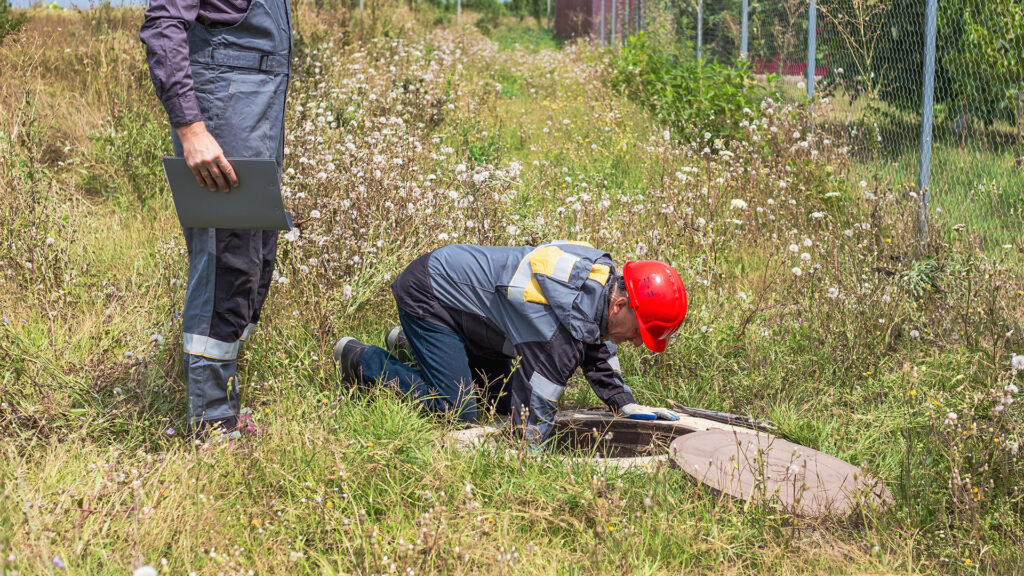
Hire a certified well professional to inspect the well’s mechanical components and electrical systems to ensure everything is functioning properly.
- Test Water Quality
Professional water testing is critical. Test for bacteria, nitrates, heavy metals and other contaminants. Ongoing annual testing is recommended for continued safety.
- Verify Water Quantity
A yield test confirms the well can meet household demand, especially if you plan to irrigate landscaping or support animals.
- Evaluate Filtration and Treatment Systems
Inspect any existing filtration, softening or UV treatment systems. Review maintenance records and ensure systems are appropriate for local water conditions.
- Confirm Proper Well Location and Setbacks
Colorado regulations require minimum distances between wells, septic systems and contamination sources. Verify the well meets all setback requirements.
- Inspect the Well Pump and Equipment
Assess the age and condition of the pump, pressure tank and controls. Understanding remaining lifespan can help you plan for future upgrades.
- Review Water Storage Systems
Some homes rely on storage tanks to manage variable well output. Inspect tanks for capacity, leaks and sanitary conditions.
- Check Maintenance History
Consistent service and maintenance are strong indicators of a reliable well system. Request records of inspections, repairs and system upgrades. Buying a home with a private well offers many advantages, but it also places stewardship of an essential resource in your hands. By following these steps, you can move forward with confidence, knowing your well system is safe, reliable and ready to serve your household for years to come.
Any content, resident submissions, guest columns, advertisements, and advertorials are not necessarily endorsed by or represent the views of Best Version Media LLC (BVM) or any municipality, homeowners associations, businesses, or organizations that this publication serves. BVM is not responsible for the reliability, suitability, or timeliness of any content submitted, inclusive of materials generated or composed through artificial intelligence (AI). All content submitted is done so at the sole discretion of the submitting party.