In Buda, Texas, we ask a lot from our air conditioners. Triple-digit summers. Humid spring days. Sudden cold snaps. Cedar season. Dust. Pollen. And everything in between.
Most homeowners pay attention to the “big shiny box” outside or the thermostat on the wall. But there’s something far more important hiding in your attic or crawlspace: Your ductwork. And it could be leaking away one-third of the air you’re paying to cool.
The Hidden Energy Drain in Your Attic
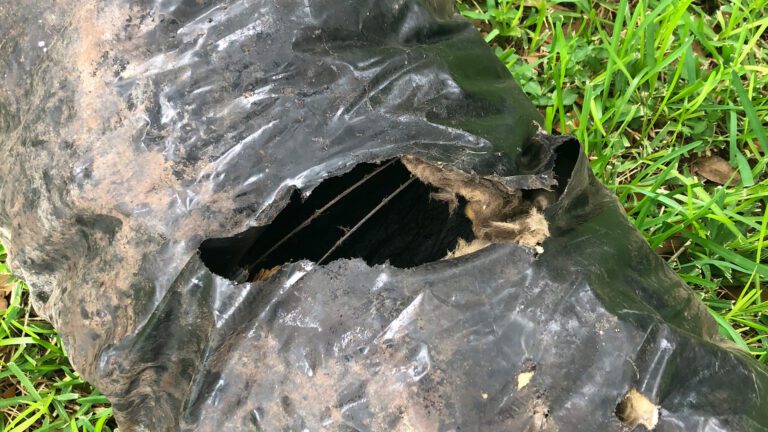
In most homes — older and even many newer builds — metal or flex ductwork carries conditioned air from your HVAC system to each room. If that ductwork has loose connections, gaps, or poorly sealed joints, cooled air escapes into the attic or crawlspace before it ever reaches your living space.
Research from the U.S. Department of Energy has shown that 30-40% of the air moving through ducts can leak out in typical homes. Let that sink in. If your system is designed to deliver 1,000 cubic feet of air per minute, you could be losing 300-400 of that straight into the attic. In Buda summers, that means your A/C is:
- Running longer
- Cycling more often
- Working harder than it was designed to
- Burning more electricity
And that extra effort doesn’t come free.
It’s Not Just Energy — It’s Lifespan
Think of your HVAC system like this:
- Your air conditioner is the heart
- Your ductwork is the artery system
If the arteries are leaking, clogged, or undersized, the heart has to pump harder. When ductwork leaks:
- The system runs extended cycles trying to satisfy the thermostat
- Motors and compressors experience more wear
- Coils get dirtier faster
- Static pressure increases
All of that shaves years off the lifespan of your equipment.
In Buda, where A/C systems already work overtime for much of the year, leaky ducts can be the difference between a 15-year system and a 10-year system. That’s thousands of dollars in premature replacement.
Comfort Problems You May Be Blaming on the Wrong Thing
Leaky ductwork often shows up as:
- One room always being hotter than the others
- Weak airflow from certain vents
- High electric bills with no clear explanation
- Excess dust in the home
- Humidity that feels hard to control
Many homeowners assume they need a bigger unit or a full system replacement — when the real problem is that the air never made it to the room in the first place. Installing high-efficiency equipment onto 20- or 30-year-old ductwork is like putting a brand-new engine in a car with a cracked fuel line. The performance won’t match the investment.
Indoor Air Quality Matters Too
When ducts leak in the attic or crawlspace, they don’t just lose air — they also cause the home to pull in unconditioned air from outside. That means:
- Dust
- Insulation particles
- Attic heat
- Moisture
- Even pests and debris
That contaminated air can enter your system and circulate through your home. In a growing community like Buda, with ongoing construction and seasonal allergens, this matters more than most people realize.
How Do You Know If Your Ducts Are Leaking?
Sometimes you can feel it. Other times it takes proper testing. Professionally, duct leakage can be measured using pressurization tools that show exactly how much air is escaping. In many homes we inspect, we see leakage rates far above what modern standards recommend. And here’s the part most homeowners don’t hear: Ductwork should be inspected before installing new HVAC equipment. Unfortunately, it’s often skipped.
The Good News: It’s Fixable
Duct sealing is one of the most cost-effective energy upgrades a homeowner can make. Depending on the condition of your system, solutions can include:
- Sealing joints and seams with professional mastic
- Reinforcing or replacing failing flex duct
- Mechanical sealing methods
When done correctly, homeowners often experience:
- Lower energy bills
- Stronger, more even airflow
- Quieter operation
- Reduced dust
- Longer system life
Some families see noticeable electric bill reductions month after month — especially during peak summer usage.
Why This Matters in Buda Specifically
Our climate is demanding. Your air conditioner may run 8-12 hours a day during peak summer. If 30% of that air is leaking, your system is essentially running 30% longer than it should. That adds up fast. As Buda continues to grow with new neighborhoods and older homes transitioning ownership, ductwork is one of the most overlooked components of the home comfort system. And it’s often where the biggest hidden savings live.
Don’t Ignore What You Can’t See
More than 95% of older homes are estimated to have significant duct leakage. It’s not glamorous. It’s not visible. It’s not something people show off in listing photos. But it directly affects:
- Your comfort
- Your utility bills
- Your indoor air quality
- The lifespan of your HVAC investment
If your system seems to be working harder than it should — it probably is. The question is why.
Before You Replace Your A/C, Ask:
“Have we checked the ductwork?” It might be the smartest question you ask this year.
Any content, resident submissions, guest columns, advertisements, and advertorials are not necessarily endorsed by or represent the views of Best Version Media LLC (BVM) or any municipality, homeowners associations, businesses, or organizations that this publication serves. BVM is not responsible for the reliability, suitability, or timeliness of any content submitted, inclusive of materials generated or composed through artificial intelligence (AI). All content submitted is done so at the sole discretion of the submitting party.