Power outages have a way of exposing just how dependent our homes are on electricity. The refrigerator goes quiet, the Wi-Fi drops out, and the lights go dark just when you’re halfway through dinner.
That moment often sparks a new question: “Should we have a battery backup system?” It’s a good question, and one that often starts with a common misunderstanding.
Many people imagine a home battery as a kind of miniature power plant that can run the entire house indefinitely. In reality, most residential battery systems are designed with a different goal in mind.
They’re built for resilience.
It’s About Keeping Life Moving
A battery backup system is meant to keep the important things running during an outage, not necessarily everything.
In most homes, that means prioritizing circuits like refrigeration, lighting, internet and communication equipment, sump pumps, security systems, and sometimes certain heating systems, depending on the electrical load.
When the grid goes down, these systems automatically step in and keep the household functioning where it matters most. It’s less about powering every outlet in the house and more about keeping your home safe, connected, and comfortable while you wait for the power to be restored.
Does It Power the Whole House?
One of the first questions homeowners ask is whether a battery will run the entire house during a blackout. Technically, it can. But that’s not always the smartest approach.
Powering every circuit in a home requires significantly larger battery capacity, which quickly increases the cost of equipment and installation. In many cases, homeowners realize they don’t actually need that level of coverage.
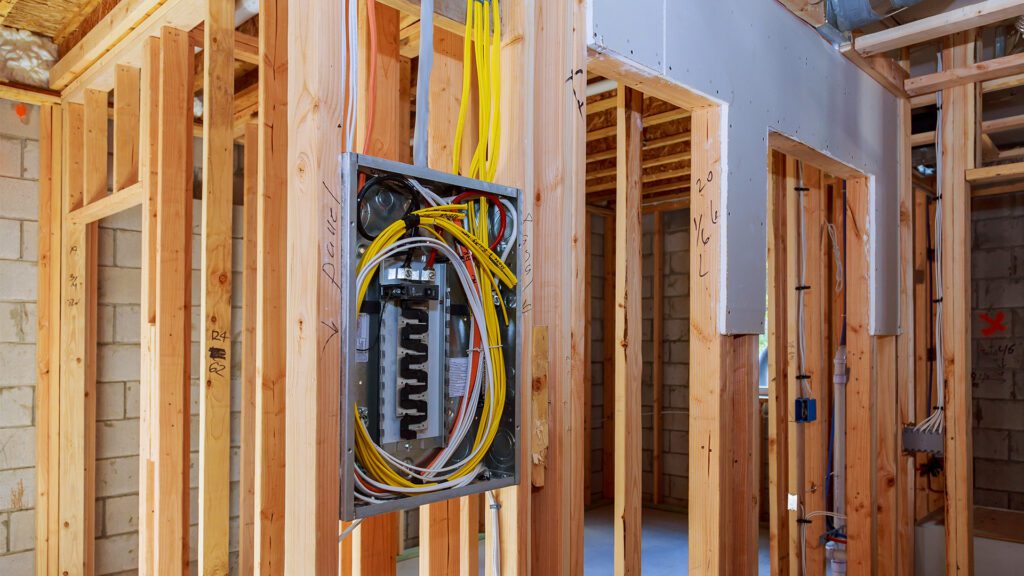
Instead, many systems are designed around an essential-load backup panel. This panel directs battery power to the circuits that matter most while temporarily powering down non-essential, high-energy-demand appliances.
Some newer systems even include smart load management, which automatically prioritizes important devices and balances energy use.
The result is a system that delivers reliability without unnecessary cost.
Why More Homeowners Are Looking at Battery Backup
Interest in battery systems has grown steadily over the past few years. Some homeowners are motivated by the possibility of power outages, while others are thinking about energy independence, pairing battery storage with solar systems, or using batteries to manage peak electricity rates. Others see it as a way to strengthen their home’s long-term value and preparedness.
No matter your initial motivation, now is an excellent time to explore your options. From April 1st, 2026, BC Hydro is offering rebates of up to $5,000 for for eligible battery installations enrolled in the new Peak Saver program.
Minimum battery size is 5 kWh, properties must have a BC Hydro residential account, and the property’s registered owner receives the rebate. Installations must be designed and completed by a licensed contractor. Self-installs are not eligible.
How Long Will a Battery Last?
There isn’t a single answer to that question. For example, a smaller system around 10 kilowatt-hours might keep essential circuits running for several hours. Larger systems in the 15 to 20 kilowatt-hour range can extend that window considerably.
If the home is connected to solar panels, the battery can recharge during daylight hours, potentially extending backup power much longer than people expect. In other words, the less electricity you use during an outage, the longer your battery will last.
Battery or Generator?
Homeowners often compare batteries with traditional generators. In truth, they solve slightly different problems.
Battery systems are silent, require no fuel, and switch on automatically when an outage occurs. They also require very little maintenance. Generators can run for much longer periods as long as fuel is available, making them better suited for high-demand equipment such as large HVAC systems.
For some households, the best solution is a combination of both, a battery for everyday reliability and short outages, paired with a generator for extended emergencies.
Can You Expand a System Later?
Fortunately, most modern battery systems are designed with flexibility in mind.
Homeowners can start with enough storage to support essential loads and add more battery capacity later if their needs change. Solar panels can also be integrated down the road.
That approach keeps the initial investment manageable while leaving room for future upgrades.
Are Batteries Safe Inside the Home?
Yes. Today’s residential battery systems are tested and certified to strict safety standards and can be safely installed indoors when local electrical codes are followed.
The key is professional installation. A licensed electrical contractor ensures the system is properly configured, code-compliant, and eligible for applicable rebates or warranty protections.
If you would like to learn more about backup energy systems and BC Hydro rebates, contact us today for a friendly consultation.
Any content, resident submissions, guest columns, advertisements, and advertorials are not necessarily endorsed by or represent the views of Best Version Media LLC (BVM) or any municipality, homeowners associations, businesses, or organizations that this publication serves. BVM is not responsible for the reliability, suitability, or timeliness of any content submitted, inclusive of materials generated or composed through artificial intelligence (AI). All content submitted is done so at the sole discretion of the submitting party.