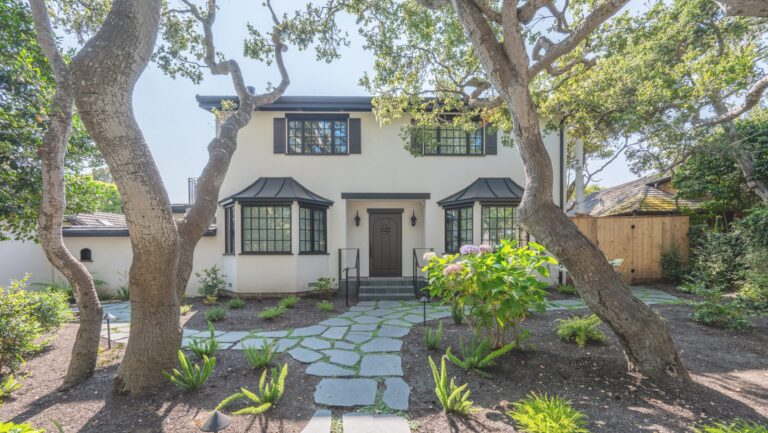
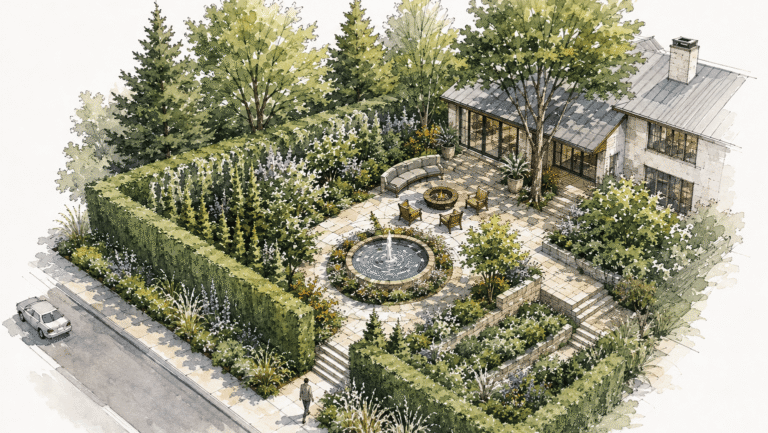
Passive and healthy home interior design focuses on creating living spaces that naturally support human well-being while reducing energy consumption and environmental impact. Instead of relying heavily on mechanical systems for heating, cooling, and air purification, passive design uses natural elements—such as sunlight, airflow and sustainable materials—to maintain comfort and improve indoor health. As homeowners become more aware of environmental and wellness concerns, passive and healthy interior design is becoming an essential approach to modern residential living.
One of the core principles of passive design is maximizing natural light. Proper window placement, open floor plans, and light-reflective surfaces allow sunlight to penetrate deep into the home. Natural daylight not only reduces the need for artificial lighting but also improves mood, supports circadian rhythms and enhances productivity. Skylights, clerestory windows and large south–facing windows are common strategies used to bring in abundant daylight while maintaining energy efficiency.
Ventilation is another critical aspect of healthy home design. Fresh air circulation helps remove indoor pollutants, moisture and allergens that can accumulate in tightly sealed homes. Passive ventilation strategies include operable windows positioned for cross breezes, stack ventilation that allows warm air to rise and escape, and the use of interior layouts that promote airflow between rooms. Good ventilation improves indoor air quality, reduces the likelihood of mold growth and contributes to overall respiratory health.
Material selection plays a major role in creating a healthy interior environment. Many conventional building materials release volatile organic compounds (VOCs), which can negatively affect indoor air quality and cause headaches, irritation or long‑term health concerns. Healthy interior design prioritizes low‑VOC paints, natural wood products, mineral‑based finishes, and non-toxic adhesives. Sustainable materials such as bamboo, cork, clay plaster and recycled wood also reduce environmental impact while adding natural texture and warmth to interior spaces.
Thermal comfort is another important factor in passive home design. Proper insulation, thermal mass and thoughtful window orientation help regulate indoor temperatures without excessive reliance on heating or air‑conditioning systems. Materials like stone, concrete and brick can absorb heat during the day and release it slowly at night, helping stabilize temperature fluctuations. Combined with well-designed shading systems such as overhangs or exterior screens, passive homes stay cooler in summer and warmer in winter.
Biophilic design principles are often integrated into healthy interiors as well. Biophilic design emphasizes the human connection to nature by incorporating natural materials, indoor plants, organic patterns and views of the outdoors. Studies have shown that environments with natural elements can reduce stress, improve concentration and enhance overall mental well‑being. Simple features such as indoor greenery, natural wood finishes and water elements can significantly improve the atmosphere of a home.
Acoustic comfort is also considered in healthy interior design. Soft materials like textiles, rugs and acoustic panels help reduce noise levels and create a calmer indoor environment. Managing sound within a home supports relaxation and productivity, particularly as more people work remotely or spend extended time indoors.
Ultimately, passive and healthy home interior design aims to create spaces that support both environmental sustainability and human wellness. By combining natural light, fresh air, non-toxic materials, thermal efficiency and connections to nature, homes can become healthier, more comfortable places to live while reducing their environmental footprint.
Any content, resident submissions, guest columns, advertisements, and advertorials are not necessarily endorsed by or represent the views of Best Version Media LLC (BVM) or any municipality, homeowners associations, businesses, or organizations that this publication serves. BVM is not responsible for the reliability, suitability, or timeliness of any content submitted, inclusive of materials generated or composed through artificial intelligence (AI). All content submitted is done so at the sole discretion of the submitting party.