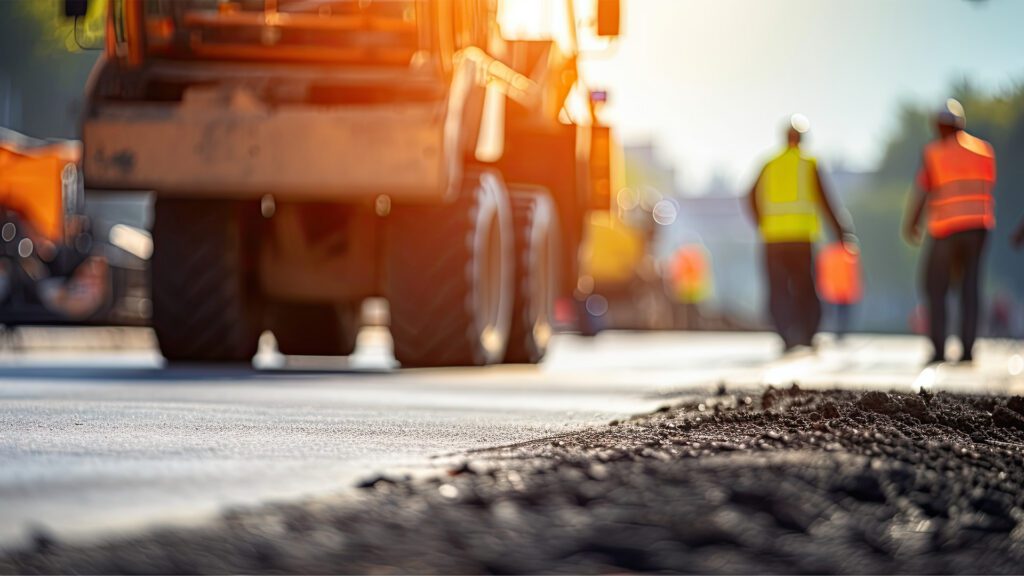
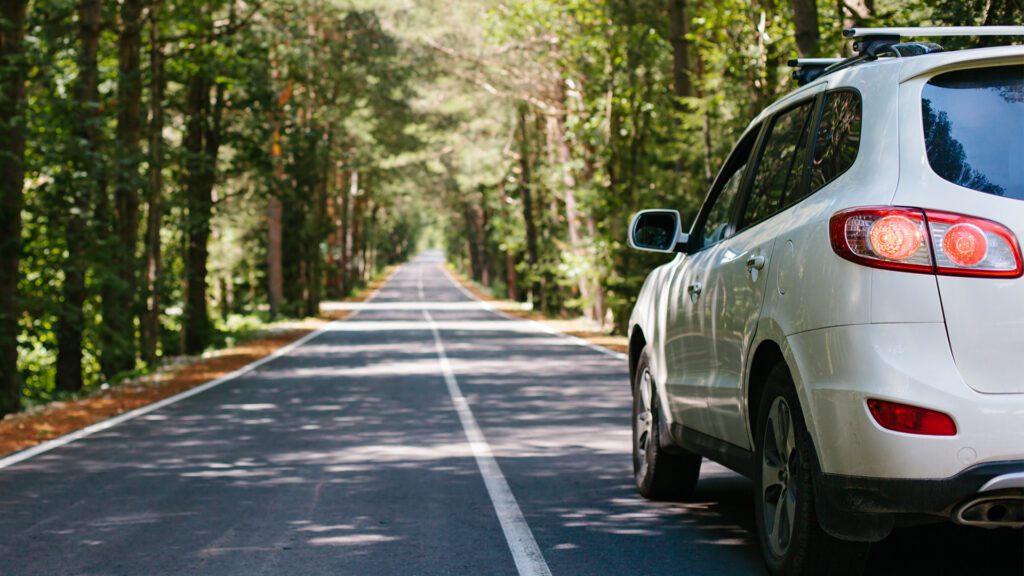
In the heart of Napa and Sonoma’s wine country, our roads weave through vineyard-lined hills from St. Helena to Calistoga. These vital arteries connect neighbors, welcome visitors, and sustain the daily rhythm of UpValley life. Yet the smooth black surfaces quietly battle time and the elements. Asphalt, the foundation of our pavements, oxidizes and ages predictably—but this decline is increasingly preventable. A new generation of biobased pavement preservation treatments is emerging as a sustainable solution, delivering longevity, cost savings, and environmental benefits with minimal disruption.
Asphalt pavement consists of aggregate stone coated with a petroleum-based binder, or bitumen. This binder comprises asphaltenes, which provide stiffness and structure, and maltenes—lighter oils that maintain flexibility. Freshly laid asphalt appears deep black and supple because the binder forms a thin, protective film around the stones.
Oxidation begins almost immediately upon exposure to air, especially during the high-heat construction phase known as short-term aging. It continues throughout the pavement’s service life as long-term aging. Sunlight’s ultraviolet rays, temperature fluctuations, moisture, and traffic accelerate the process. Oxygen reacts with the binder’s hydrocarbons, forming polar compounds such as ketones and sulfoxides. These reactions convert lighter maltenes into heavier asphaltenes, increasing molecular bonding and stiffness.
The visible and structural changes are clear. Fresh asphalt is glossy black; over years it fades to a dull gray as the surface dries and loses flexibility. Microcracks form, widening into raveling—loss of aggregate—and deeper fissures. Water infiltrates these openings, weakening base layers and leading to potholes. In UpValley’s climate of hot summers, wet winters, and intense sun, noticeable deterioration can appear within five to seven years on busy roads. This oxidation-driven aging contributes significantly to cracking, embrittlement, and higher maintenance costs for municipalities and property owners.
Traditional methods like slurry seals or chip seals add protective layers but often rely on petroleum-based materials with limited penetration into the existing binder. Biobased pavement preservation offers a renewable alternative aligned with our region’s sustainability values.
These treatments use plant-derived oils and compounds—commonly from soybeans, waste vegetable oils, or agricultural byproducts. Formulations frequently incorporate epoxidized or sub-epoxidized soybean oil (SESO). Applied as a thin, water-dilutable fog seal or penetrating emulsion via specialized spray equipment, the material is delivered at low rates, typically 0.02 to 0.04 gallons per square yard after dilution. Traffic can often resume in under 30 minutes.
At the molecular level, the biobased rejuvenator penetrates up to an inch or more into the oxidized surface. Its lighter oil components replenish depleted maltenes, restoring balance with asphaltenes. Some products include natural polymers that bind loose aggregate and enhance elasticity. Critically, these bio-oils exhibit anti-oxidative properties, interfering with reactions that harden the binder by converting lighter fractions into heavier ones. The epoxy groups in SESO help disrupt asphaltene agglomerations, improving molecular mobility and flexibility.
Field trials and laboratory studies show these treatments can extend pavement life by several years per application, often at a fraction of the cost of milling and repaving. Being 80-90% biobased, they reduce reliance on fossil fuels and lower carbon emissions compared to conventional sealers. Many formulations are non-toxic, leave no sticky residue, and can improve skid resistance while aiding water runoff—benefits that help protect local vineyards and waterways.
For UpValley communities, the advantages extend beyond engineering. Smooth, well-maintained roads support property values, tourism, and minimal disruption during harvest or festival seasons. By adopting biobased options, local governments and HOAs can align infrastructure care with the environmental ethos that defines our wine and agricultural heritage. Early adopters in comparable climates report fewer potholes, smoother surfaces, and long-term budget savings.
As our area grows and climate pressures mount, proactive preservation becomes essential stewardship. Biobased solutions provide a practical bridge between tradition and innovation, keeping roads resilient without sacrificing sustainability.
In future articles, we will examine real-world North Bay applications, cost comparisons, and detailed environmental metrics. For now, the takeaway is encouraging: our roads need not age prematurely. With science and renewable technology, the UpValley can continue rolling smoothly for generations.
Any content, resident submissions, guest columns, advertisements, and advertorials are not necessarily endorsed by or represent the views of Best Version Media LLC (BVM) or any municipality, homeowners associations, businesses, or organizations that this publication serves. BVM is not responsible for the reliability, suitability, or timeliness of any content submitted, inclusive of materials generated or composed through artificial intelligence (AI). All content submitted is done so at the sole discretion of the submitting party.