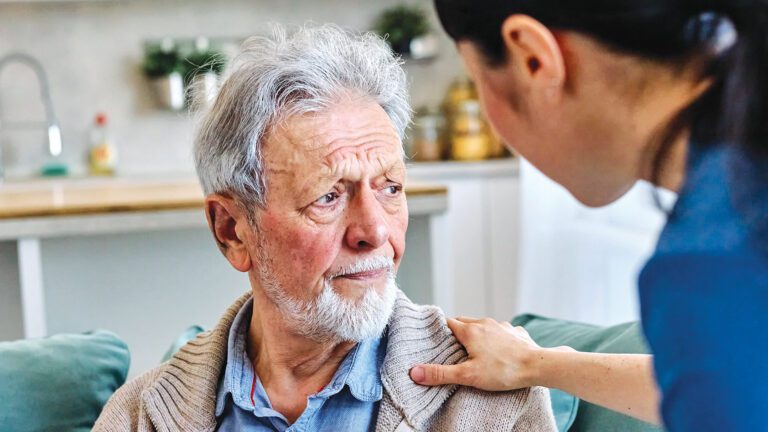
Caring for individuals living with dementia has shaped the way I think about safety. It’s not just about preventing accidents—it’s about creating an environment that feels steady, reassuring, and familiar in a world that may no longer make sense.
In my experience, the environment can either ease anxiety or unintentionally heighten it. Something as simple as rearranged furniture or a poorly lit hallway can create confusion. That’s why I always emphasize consistency. Keeping spaces predictable—where chairs, tables, and personal items remain in place—helps residents feel more grounded and secure.
Lighting is another critical element I pay close attention to. Harsh shadows or dim corners can be misinterpreted, especially later in the day. I encourage the use of soft, even lighting and natural light whenever possible. These small adjustments can significantly reduce agitation and support a more peaceful daily rhythm.
I also think carefully about sensory input. Too much noise or visual clutter can feel overwhelming, while a lack of stimulation can lead to withdrawal. I’ve found that incorporating familiar music, comforting textures, and meaningful personal items can help create a sense of identity and calm. These details matter more than most people realize.
Safety should never feel restrictive. My goal is always to create an environment that protects while still honoring independence and dignity. This can be achieved through thoughtful design—removing tripping hazards, ensuring clear pathways, and using subtle safety measures that don’t feel institutional.
At Barton House, we approach care with this balance in mind every day. Creating a safe and comforting environment isn’t about control—it’s about understanding. When we meet individuals where they are and shape the space around their needs, we give them more than safety. We give them the ability to feel at ease, supported, and truly at home.
Any content, resident submissions, guest columns, advertisements, and advertorials are not necessarily endorsed by or represent the views of Best Version Media LLC (BVM) or any municipality, homeowners associations, businesses, or organizations that this publication serves. BVM is not responsible for the reliability, suitability, or timeliness of any content submitted, inclusive of materials generated or composed through artificial intelligence (AI). All content submitted is done so at the sole discretion of the submitting party.