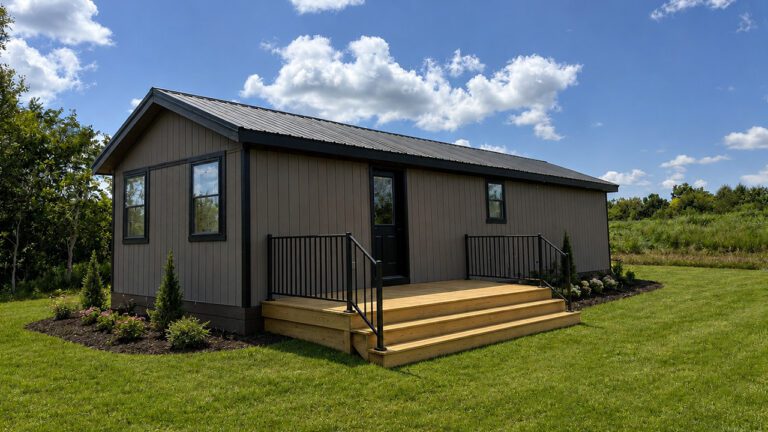
When you choose a tiny home, you are not just buying a building, you are trusting people with your everyday life. Gingerich Portable Buildings is a family owned company that believes the best projects start with a face to face conversation and a handshake. They want you to know who is building your home, and they want to understand how you plan to live in it so the space truly fits your needs.
Customer satisfaction is their first priority. Because they are local and family run, you are working directly with people who care about doing the right thing, not just making a sale. That means clear communication, honest answers about what will and will not work on your property, and ongoing support long after the building is delivered.
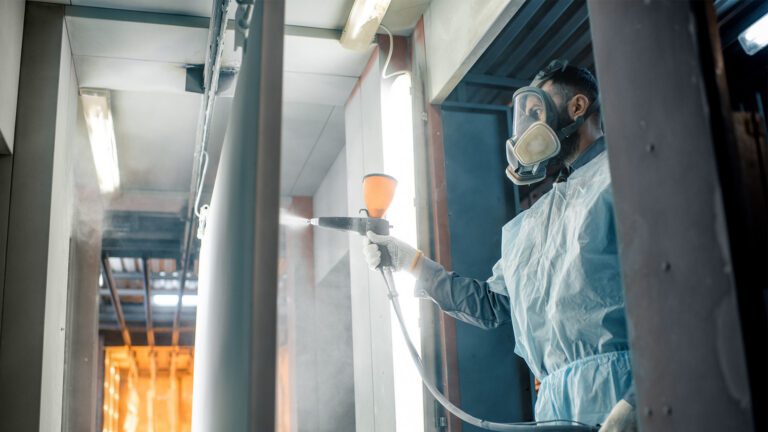
The second key to a reliable tiny home is quality materials. Gingerich works with trusted suppliers and uses products designed for long term durability, including metal, siding, and paints that stand up to Missouri weather. Cutting corners on materials might save a little up front, but it shortens the life of the building and can lead to expensive repairs later.
Workmanship matters just as much as the materials you see on the surface. At Gingerich, buildings are constructed by people with years of experience who understand proper framing and structural support. A practical example is their use of 2×6 wall studs, floor joists, and rafters where many budget buildings rely on 2x4s, along with wall studs spaced every 16 inches instead of 24 inches and proper bracing throughout the structure. This kind of construction helps your tiny home feel solid underfoot and hold up under everyday use.
Another area that is easy to overlook is compliance with state regulations and insurance requirements. A tiny home that is not built to code can create headaches when it is time to insure the building or when you go to sell the property. By staying current with state rules and building standards, Gingerich helps ensure your tiny home qualifies for the coverage you need and avoids costly surprises down the road.
Finally, even the best built tiny home needs the right foundation and site preparation. A building that sits on an uneven or poorly prepared pad can settle, shift, or develop moisture problems. Gingerich works with customers to understand the specific site, soil conditions, and how the building will be used, then recommends a foundation plan that supports the structure for the long haul. For tiny homes, that solid base is what turns a portable building into a safe, comfortable place to live.
If you are considering a tiny home, Gingerich Portable Buildings encourages you to look beyond the floor plan and think about who is building it, what it is built from, and how it will sit on your land. Those details are what make the difference between a building that just looks good on delivery day and a tiny home that serves your family well for years to come.
Any content, resident submissions, guest columns, advertisements, and advertorials are not necessarily endorsed by or represent the views of Best Version Media LLC (BVM) or any municipality, homeowners associations, businesses, or organizations that this publication serves. BVM is not responsible for the reliability, suitability, or timeliness of any content submitted, inclusive of materials generated or composed through artificial intelligence (AI). All content submitted is done so at the sole discretion of the submitting party.