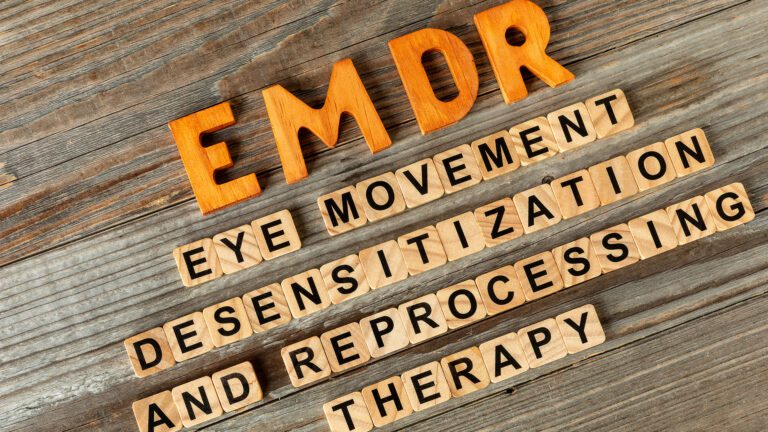
Eye Movement Desensitization and Reprocessing (EMDR) has gained recognition primarily as a therapeutic approach for trauma and anxiety. However, its remarkable potential for physical healing is starting to emerge, especially for individuals dealing with chronic pain or residual effects from injuries. This discussion explores how EMDR can significantly enhance physical healing and why it deserves attention from both practitioners and those seeking relief.
At the heart of EMDR lies the understanding that traumatic memories can become trapped in the mind, leading to ongoing emotional and physical distress. The EMDR process employs repeated bilateral stimulation (BLS), often through guided eye movements or left-right-left-right tapping, to help individuals adaptively reprocess traumatic memories. This approach has proven effective in alleviating symptoms, not just on an emotional level but also physically.
Chronic pain patients often face a complex interplay of emotional and physical challenges.
Research indicates that trauma can alter the brain's perception of pain. For instance, someone recovering from a serious car accident may find themselves experiencing heightened anxiety linked to the incident, which can lead to muscle tension and increased pain. EMDR helps these individuals confront and reprocess their traumatic memories, resulting in emotional release that can lessen physical symptoms.
EMDR is showing promise for conditions like fibromyalgia and chronic fatigue syndrome, where pain is often associated with emotional distress. By addressing unprocessed memories and emotional conflicts, EMDR alleviates psychological burdens that can exacerbate physical discomfort, creating a holistic approach to healing.
The strength of EMDR lies in its focus on the mind-body connection. Studies show that trauma- induced stress can lead to a tense nervous system, perpetuating feelings of pain. EMDR’s reprocessing technique helps restore balance, relieving both emotional and physical symptoms.
Incorporating somatic experiences into EMDR further enhances its effectiveness for physical healing. Clients are encouraged to connect with their bodies during sessions, promoting awareness of sensations associated with past traumas. This awareness can release stored tension, facilitating relaxation and healing.
Additionally, integrating EMDR into a multidisciplinary treatment plan is crucial. Combining it with therapies such as physical therapy, acupuncture, or chiropractic care creates a comprehensive strategy that addresses both mental and physical health. This collaborative approach enhances recovery potential and equips patients with a range of tools to manage their conditions.
For those considering EMDR for physical healing, consider seeking a trained EMDRIA practitioner on the www.emdria.org website. Utilizing the website to research and seek out skilled professionals will ensure a tailored approach to individual emotional and physical needs by highly trained clinicians.
Lastly, EMDR represents a valuable opportunity for those seeking physical healing by illuminating the connection between emotional and physical health. Recognizing how emotional processing influences physical symptoms can pave the way for real, lasting relief. By embracing the mind-body connection, we can foster more effective, holistic healthcare solutions for whole- body healing.
Reach out for more information on this transformative healing process by visiting the PA Counseling Co-op website at www.pacounselingcoop.com to learn about our skilled EMDR providers available both virtually and in-person throughout Pennsylvania, including Shippensburg.
Any content, resident submissions, guest columns, advertisements, and advertorials are not necessarily endorsed by or represent the views of Best Version Media LLC (BVM) or any municipality, homeowners associations, businesses, or organizations that this publication serves. BVM is not responsible for the reliability, suitability, or timeliness of any content submitted, inclusive of materials generated or composed through artificial intelligence (AI). All content submitted is done so at the sole discretion of the submitting party.