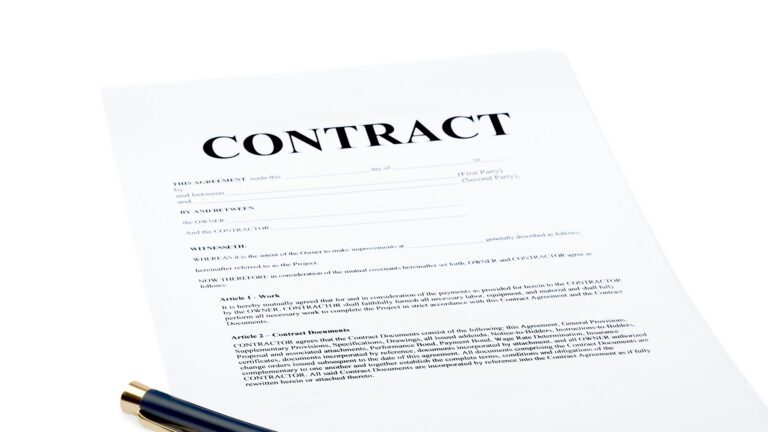
In Oklahoma, buying or selling land isn’t as simple as shaking hands and trading cash. Under the Statute of Frauds — and common sense — any contract for the sale of real estate must be in writing to be enforceable. And that written agreement better be clear, complete, and legally sound, or you may find yourself in court fighting over dirt.
Land transactions carry big stakes. Whether it’s a family farm, a residential lot, or a commercial parcel, these deals involve high-dollar assets, long-term commitments, and a maze of legal rights and obligations. Yet, far too often, people enter into real estate agreements without proper documentation — or with forms they found online that don’t reflect Oklahoma law or their actual intent.
A well-drafted property contract is your foundation. It should clearly identify the property, the parties, the price, the payment terms, closing conditions, title status, disclosures, and remedies for breach. It should also anticipate contingencies: What happens if the buyer can’t get financing? What if the seller doesn’t deliver a clear title? Who pays taxes or insurance between contract and closing?
This is where having an attorney pays off — not just to draft the contract, but to spot problems before they happen. An experienced Oklahoma real estate lawyer knows the nuances of title law, liens, easements, mineral rights, and statutory disclosures. They can help ensure the deed transfers properly, that the contract complies with state law, and that the closing goes smoothly.
Failing to get good legal advice in a land deal can be a costly mistake. I’ve seen disputes arise over handshake deals, vague email promises, and half-filled-out purchase agreements. When things go wrong, verbal assurances won’t hold up in court — and you could end up losing the land, the money, or both.
Even if you’re buying property from a friend or family member, you still need a proper contract. In fact, that’s when it’s most important to have everything in writing — to prevent future misunderstandings and protect the relationship. A written contract doesn’t mean you don’t trust the other party. It means you’re smart enough to protect both sides.
In Oklahoma, land is a legacy asset — something people pass down, build on, and invest in for generations. Don’t risk it with sloppy paperwork or verbal promises. A solid written agreement, reviewed or drafted by an attorney who knows the land and the law, is one of the best investments you can make.
In the end, the value of the property is only as secure as the paper it’s transferred on. Make sure that paper is more than just a form — make it a contract you can stand on in court.
About the Author Josh Hutchins is a licensed attorney based in Tahlequah, Oklahoma, with extensive experience in land transactions, real estate law, and contract disputes. He advises clients on property sales, title issues, and drafting enforceable agreements that protect long-term interests. For more information, call(918) 453-2800 or visit www.JoshHutchinsLaw.com.
Any content, resident submissions, guest columns, advertisements, and advertorials are not necessarily endorsed by or represent the views of Best Version Media LLC (BVM) or any municipality, homeowners associations, businesses, or organizations that this publication serves. BVM is not responsible for the reliability, suitability, or timeliness of any content submitted, inclusive of materials generated or composed through artificial intelligence (AI). All content submitted is done so at the sole discretion of the submitting party.