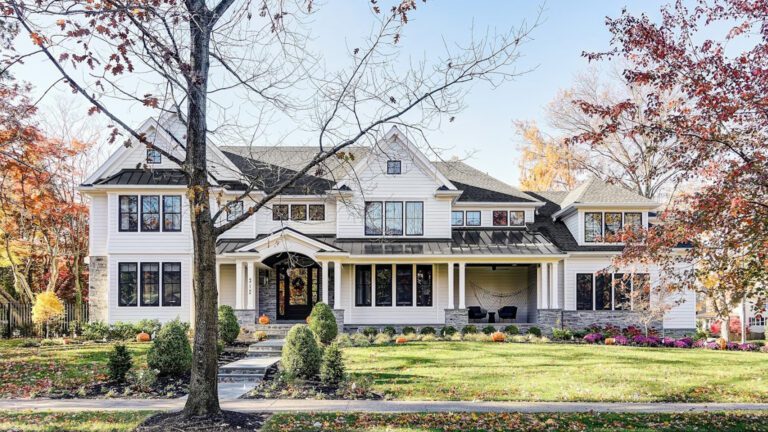
At some point, many homeowners in Haddonfield ask the same question: Should we move, add on, or make this home work differently? Whether your family is growing, your needs are evolving, or you simply love your location too much to leave, both an addition and a thoughtful reworking of your existing footprint can be excellent solutions. The key is understanding not just what you want to build, but what your property will allow—and what will serve you best long term.
Before sketching plans or gathering inspiration, one of the first and most important steps is to review your current property survey. This document provides a detailed layout of your lot, including property lines and the placement of your existing home. From there, you should visit the Borough website to determine what zoning district your home is located in. Zoning regulations play a major role in shaping what can and cannot be done on your property.
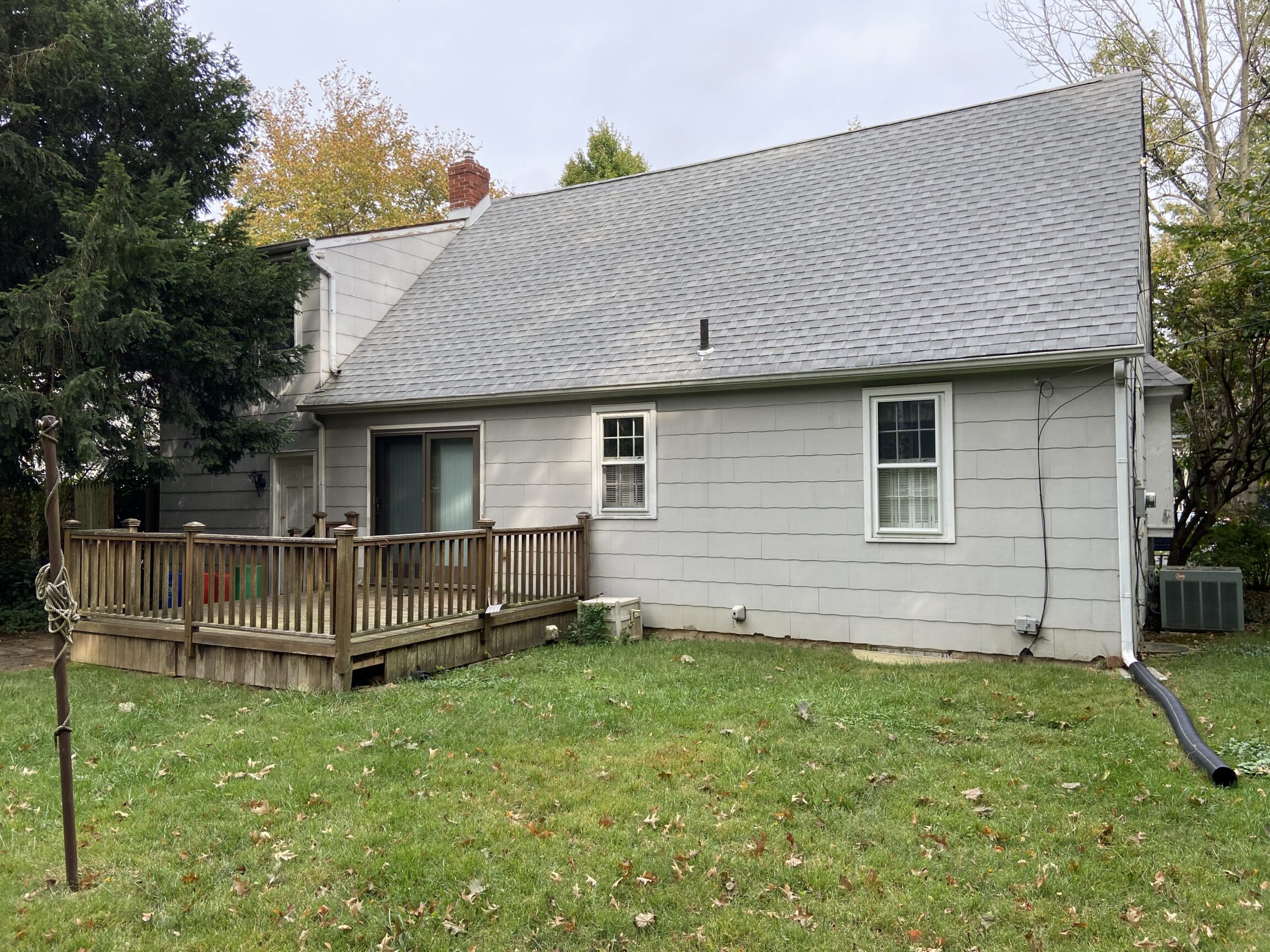
Before remodel (Submitted by Thomas Wagner)
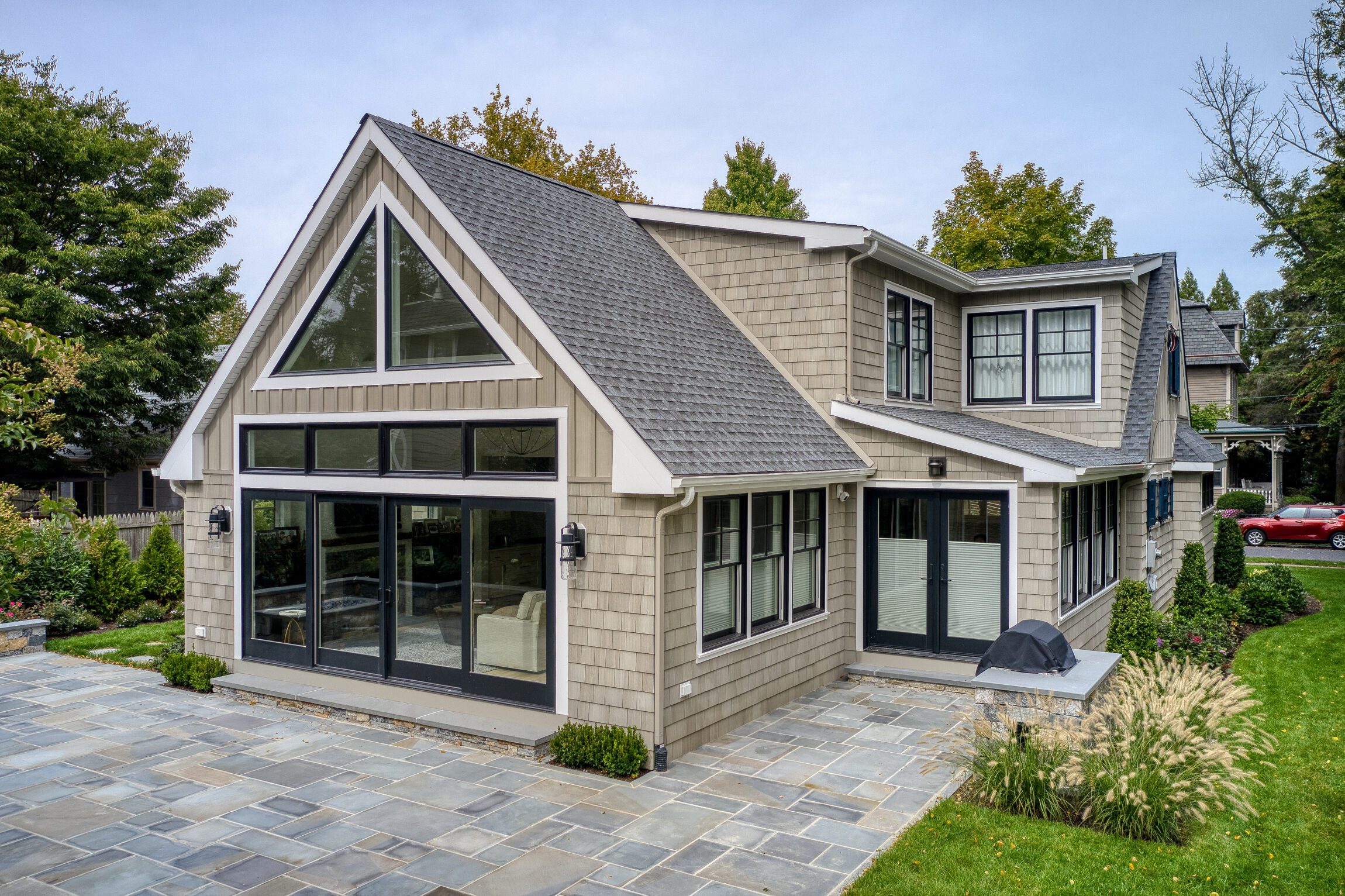
After remodel (Submitted by Thomas Wagner)
Two of the most critical factors to understand early in the process are setbacks and coverage. Setbacks define where structures can sit in relation to your property lines and are measured in exact dimensions. While many homeowners assume there is a standard front-yard setback, the ordinance requires a setback study to determine the specific requirement. This study evaluates neighboring homes and establishes a consistent building line along your street.
Coverage is reviewed in two ways: building coverage and impervious coverage. Building coverage refers to the percentage of your lot occupied by structures, while impervious coverage includes all non-porous surfaces such as driveways, patios, and walkways. Both are regulated and can significantly impact the size and feasibility of an addition.
This is where the conversation often shifts. Many homeowners begin with the idea of adding square footage, but zoning constraints such as setbacks and coverage limits can quickly narrow those possibilities. When that happens, reworking your existing footprint becomes not just an alternative, but often the smarter solution.
Reconfiguring your current space can unlock potential you may not realize is already there. Removing walls to improve flow, repurposing underutilized rooms, finishing unused attic or basement areas, or even modest vertical expansions can dramatically change how a home functions without increasing its footprint. In many cases, a well-designed interior transformation can achieve the same goals as an addition with fewer zoning hurdles, lower costs, and a more seamless integration with the existing structure.
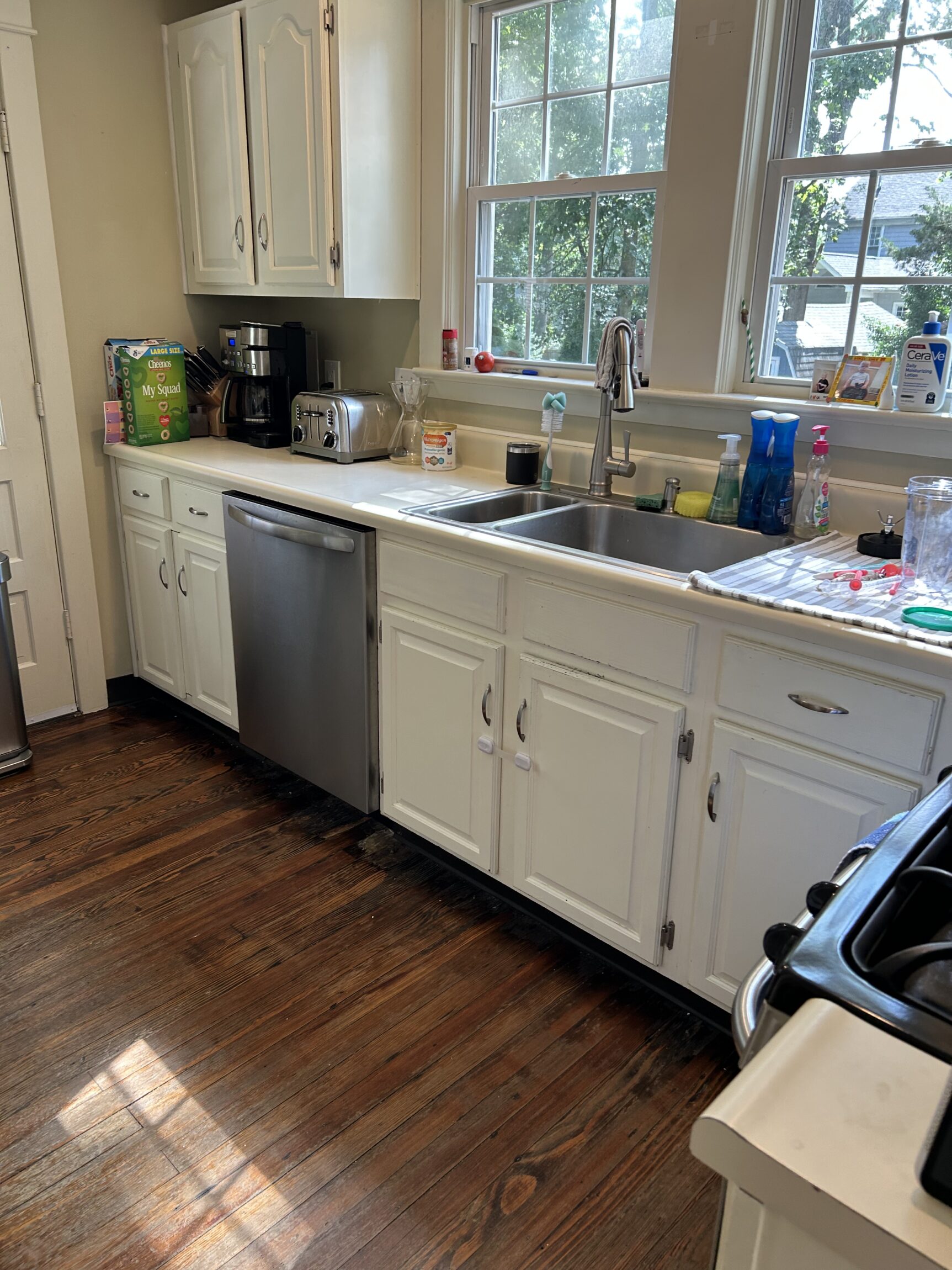
Before remodel (Submitted by Thomas Wagner)

After remodel (Submitted by Thomas Wagner)
That said, there are clear situations where an addition is the better choice. If your home simply lacks the square footage needed to support your lifestyle, no amount of reconfiguration will create truly new space. Additions are also ideal when you want to introduce features that require separation from the main living areas, such as a first-floor primary suite, a dedicated home office, or an in-law space. Additionally, if your existing layout is already functioning well, expanding outward or upward allows you to preserve what works while gaining the extra room you need.
A trusted architect or engineer can guide you through this process. They can review your survey, interpret zoning requirements, and determine what is possible for your property. More importantly, they can help you think creatively about how to use your space, whether that means building out, building up, or simply reimagining what you already have.
Ultimately, the goal is to create a home that supports your lifestyle, both now and in the years ahead. With the right guidance and a clear understanding of your property’s parameters, you can confidently choose the path that makes the most sense for your home and your future.
Any content, resident submissions, guest columns, advertisements, and advertorials are not necessarily endorsed by or represent the views of Best Version Media LLC (BVM) or any municipality, homeowners associations, businesses, or organizations that this publication serves. BVM is not responsible for the reliability, suitability, or timeliness of any content submitted, inclusive of materials generated or composed through artificial intelligence (AI). All content submitted is done so at the sole discretion of the submitting party.