Jewelry is often thought of as the ultimate surprise gift — a sparkling box opened at the perfect moment, followed by tears, hugs, and a memory that lasts forever. But according to Murray Cadenhead of Wade’s Jewelers, the happiest jewelry purchases rarely come from mystery alone. They come from communication.
“Over the years, I’ve have seen countless well-intentioned gift-givers walk into stores hoping to find the perfect piece for someone they love. Sometimes they succeed beautifully. Other times, the “perfect surprise” becomes a piece that quietly disappears into a sock drawer,” Murray relates.
“That’s the challenge with jewelry,” he explains. “A person can love the thought behind a gift and still not love the piece itself.”
The issue is rarely about gratitude. More often, it’s about personal taste. Jewelry is deeply emotional and highly individual. What feels timeless and elegant to one person may feel too flashy, too modern, too traditional, or simply unlike something they would wear every day.
That’s why open communication matters so much.
One of the healthiest responses a recipient can offer is appreciation, but honesty: Thank you so much for this gift. It means everything to me that you put this much thought into it. Would you mind if we looked together at some other options from the store?
That kind of conversation protects both the relationship and the gesture itself.
“There’s a difference between rejecting a piece of jewelry and rejecting the love behind it,” Murray says. “The gift was still meaningful.”
At the same time, communication works both ways. One of the most surprising situations Murray encounters is when someone refuses to choose anything at all after being encouraged by their partner to “pick whatever you want.”
“To me, that’s sad sometimes,” he says. “The person giving the gift is trying to express love and generosity, and the other person won’t even accept the gesture.”
Like giving graciously, receiving graciously is also an art.
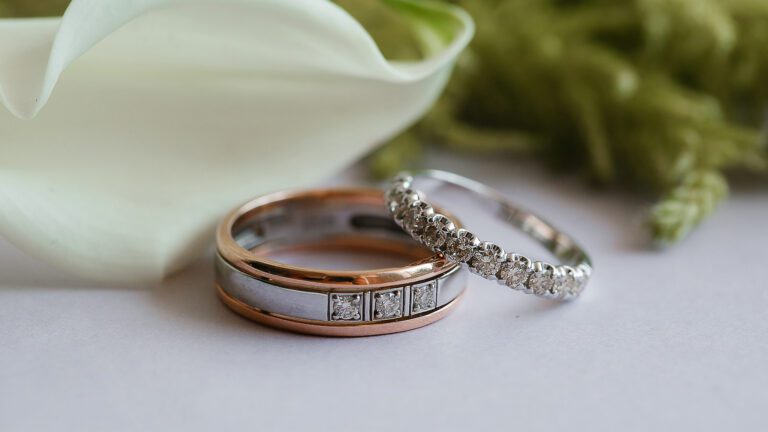
The conversation becomes even more emotional when it comes to engagement rings and wedding jewelry. Many couples begin their lives together with modest rings because that’s what they can afford at the time. Some of those rings feature tiny diamonds or very simple settings, yet they become treasured symbols of a season of life.
But years later, when finances improve or couples want to celebrate a milestone anniversary, many people hesitate to redesign or upgrade their rings because they fear hurting their spouse’s feelings.
Murray says that fear is often unnecessary.
“A car goes out of date. Living rooms get remodeled. Fashion changes. People update shoes, homes, and wardrobes all the time,” he notes. “There’s no reason engagement rings can’t evolve too.”
The original ring doesn’t lose its meaning simply because a couple chooses to celebrate their next chapter with a new style or larger stone. In fact, many families preserve the original piece while creating something new that reflects who they’ve become together over time.
And when it comes to gifting jewelry successfully, Murray says the best strategy may be involving the recipient in the process from the beginning.
Despite what romantic movies suggest, total surprises are rarely perfect. The happiest outcomes usually happen when the recipient has some input in the design, stone, style, or setting.
“People wear jewelry every day,” Murray explains. “It should feel like them, not like a guess.”
For shoppers who still want a meaningful surprise, there are some nearly foolproof options. Personalized jewelry, especially tasteful pieces featuring names, initials, or birthstones, continues to stand the test of time because it combines sentiment with individuality.
Any content, resident submissions, guest columns, advertisements, and advertorials are not necessarily endorsed by or represent the views of Best Version Media LLC (BVM) or any municipality, homeowners associations, businesses, or organizations that this publication serves. BVM is not responsible for the reliability, suitability, or timeliness of any content submitted, inclusive of materials generated or composed through artificial intelligence (AI). All content submitted is done so at the sole discretion of the submitting party.