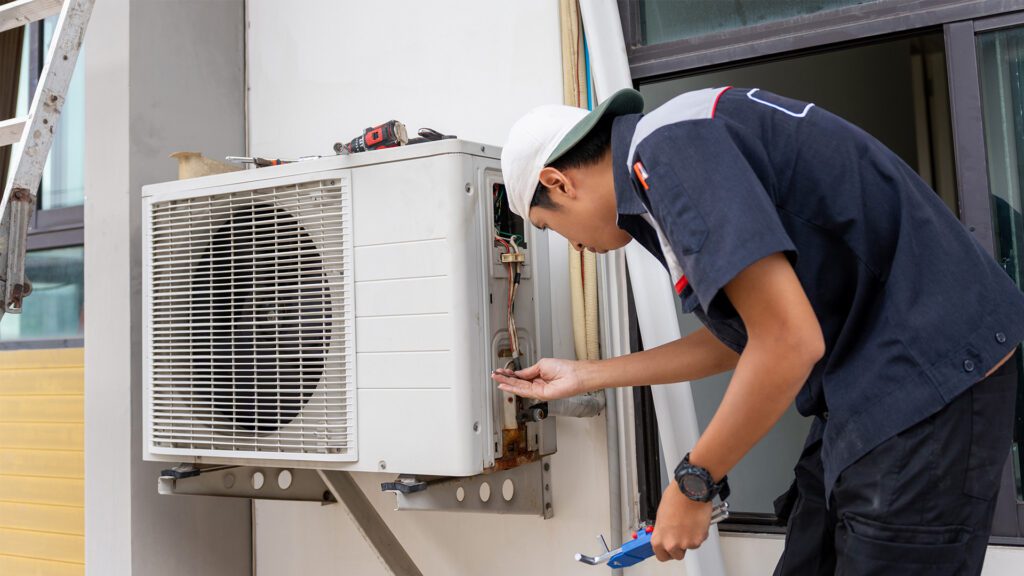
In the scorching heat of summer, having a reliable air conditioning system isn’t just a luxury but a necessity for maintaining comfort and well-being at home. Whether you’re upgrading to a more efficient unit or installing air conditioning for the first time, opting for professional installation is crucial. This guide explores in depth why professional air conditioning installation is essential, and the detailed process involved.
Understanding Air Conditioning Installation
Installing an air conditioning (AC) unit is more than just placing equipment; it involves a complex series of steps to ensure the system operates efficiently and effectively. Professional HVAC installers bring specialized knowledge and skills to ensure your AC system performs optimally from the outset.
The Importance of Professional Air Conditioning Installation
1. Expertise and Experience
Professional HVAC contractors, like Clean Air Solutions, have extensive experience in installing various types of AC units. They understand the nuances of different models and can recommend the best system based on your home’s size, layout, and cooling requirements.
Installing an air conditioning system requires technical knowledge that goes beyond basic handyman skills. Professionals are trained to handle refrigerants, work with electrical components, and manage complex ductwork installations. This expertise ensures that the installation process is not only efficient but also compliant with safety regulations.
2. Proper Sizing and Placement
Correctly sizing your AC unit is crucial for energy efficiency and optimal performance. An oversized unit will cycle on and off frequently, wasting energy and potentially causing premature wear. Conversely, an undersized unit won’t cool your space effectively. Professional installers conduct thorough calculations to determine the right size unit and ensure proper placement for efficient airflow and maximum comfort.
Professional installers start with a comprehensive assessment of your home’s cooling needs. Factors such as square footage, insulation levels, number of windows, and existing ductwork are evaluated to determine the best AC solution for your home. This assessment ensures that the AC unit not only fits your space but also meets your specific cooling demands.
3. Compliance With Safety Standards
Professional installers are well-versed in local building codes and safety regulations. They ensure that your AC installation meets these standards, safeguarding your investment and ensuring the safety of your home and family.
Beyond safety codes, professional installation often comes with warranties and guarantees that protect your investment. If something goes wrong during or shortly after installation, a reputable HVAC company will often cover the costs of repairs or AC replacements, providing you with peace of mind.
What Does Professional Air Conditioning Installation Involve? Steps in the AC Installation Process
1. Initial Assessment
A professional HVAC technician starts with a comprehensive assessment of your home’s cooling needs. Factors such as square footage, insulation levels, number of windows, and existing ductwork are evaluated to determine the best AC solution for your home.
During the assessment phase, the technician may also inspect your existing ductwork and ventilation systems. They will identify any issues that could affect the performance of your new AC unit and recommend solutions to improve airflow and energy efficiency.
2. Sizing Calculation
Based on the assessment, the installer calculates the appropriate size of the AC unit needed to effectively cool your home. This step is critical to prevent energy wastage and ensure your comfort.
Proper sizing requires careful consideration of factors such as the size of your home, the layout of each room, and the local climate. A unit that is too small will struggle to keep your home cool on hot summer days, while a unit that is too large may cycle on and off frequently, wasting energy and increasing your utility bills.
3. Installation Process
Installation involves mounting both the indoor and outdoor units, connecting refrigerant lines, ensuring proper ductwork connections, and configuring thermostat settings. Professional installers use specialized tools and techniques to complete the installation accurately and efficiently.
Once the installation is complete, the technician will test the system to ensure that everything is working properly. They will check for leaks in the refrigerant lines, verify that the thermostat is functioning correctly, and confirm that the airflow through the ductwork is adequate.
4. Testing and Calibration
After installation, the HVAC contractor conducts rigorous testing to ensure the system operates flawlessly. They check for refrigerant leaks, verify proper airflow through the ductwork, and calibrate the thermostat for optimal performance and energy efficiency.
Proper testing and calibration are essential to ensure that your new AC unit operates at peak efficiency and provides maximum comfort. A well-calibrated thermostat will maintain a consistent temperature throughout your home, while adequate airflow will prevent hot spots and cold drafts.
To learn more about Clean Air Solutions, call (662) 816-9197 or visit their website at cleanairsolutionsoxford.com.
Any content, resident submissions, guest columns, advertisements, and advertorials are not necessarily endorsed by or represent the views of Best Version Media LLC (BVM) or any municipality, homeowners associations, businesses, or organizations that this publication serves. BVM is not responsible for the reliability, suitability, or timeliness of any content submitted, inclusive of materials generated or composed through artificial intelligence (AI). All content submitted is done so at the sole discretion of the submitting party.