Every October, breast cancer awareness campaigns fill up feeds and storefronts with pink ribbons. But behind the color and the fundraising, the message that matters most is simple: early detection saves lives. And early detection starts with knowing when to get screened.
For a lot of women, that part is more confusing than it should be. Different organizations recommend different starting ages. Some say every year, some say every other year. Guidance shifts depending on family history, risk factors, and even which medical group issued it. It’s no wonder people put off scheduling a mammogram simply because they’re not sure when they’re supposed to.
Here’s what the team at Baptist Memorial Hospital-North Mississippi wants patients to know this Breast Cancer Awareness Month.
When to start
Most major medical organizations agree that average-risk women should begin annual mammograms at age 40. Some guidelines suggest starting a conversation with a doctor as early as 25 to assess personal risk, especially for women with a family history of breast cancer or known genetic mutations like BRCA1 or BRCA2.
The keyword is average risk. Women with a first-degree relative who had breast cancer, particularly at a younger age, may need to start screening earlier and more frequently. This is a conversation worth having with a primary care provider, not something to guess at.
How often
Annual screening is the standard recommendation for most women once they reach 40, and that recommendation holds through a woman’s 40s, 50s, 60s, and beyond, as long as she’s in reasonably good health. Some guidelines allow for every-other-year screening starting later in life, but many providers, including those at Baptist, recommend sticking with yearly mammograms for consistency and peace of mind.
Skipping a year here or there might not seem like a big deal, but consistency is what makes mammograms effective. A single screening is a snapshot. A pattern of screenings over years is what allows a radiologist to spot subtle changes early, sometimes before a lump is large enough to feel.
What to expect
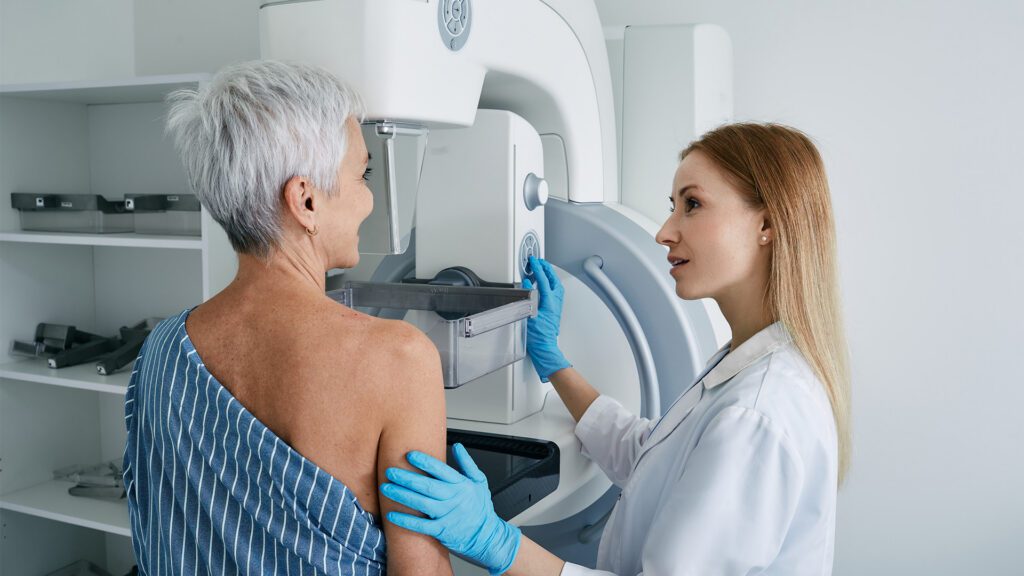
For anyone who has never had a mammogram, the process is quicker and less complicated than it sounds. A technologist positions the breast between two plates for a few seconds at a time to capture images from multiple angles. Most appointments take less than half an hour, and results typically come back within a few days.
Some discomfort during the compression is common, but it shouldn’t be painful. Scheduling the appointment for a time when breasts are less tender, generally the week after a menstrual cycle, can help.
Why this month matters
Breast Cancer Awareness Month isn’t just about wearing pink. It’s a yearly reminder to check something off the calendar that’s easy to put off. Baptist Memorial Hospital-North Mississippi encourages every woman in the community, regardless of age, to use October as the nudge to schedule that overdue mammogram or to finally ask a doctor what her personal screening schedule should look like.
Because when it comes to breast cancer, the earlier it’s caught, the more treatment options are available, and the better the outcomes tend to be. A mammogram takes less time than a lunch break. For something with that much potential impact, it’s worth making the appointment.
To schedule a mammogram at Baptist Memorial Hospital-North Mississippi, contact the hospital’s imaging services department.
Any content, resident submissions, guest columns, advertisements, and advertorials are not necessarily endorsed by or represent the views of Best Version Media LLC (BVM) or any municipality, homeowners associations, businesses, or organizations that this publication serves. BVM is not responsible for the reliability, suitability, or timeliness of any content submitted, inclusive of materials generated or composed through artificial intelligence (AI). All content submitted is done so at the sole discretion of the submitting party.