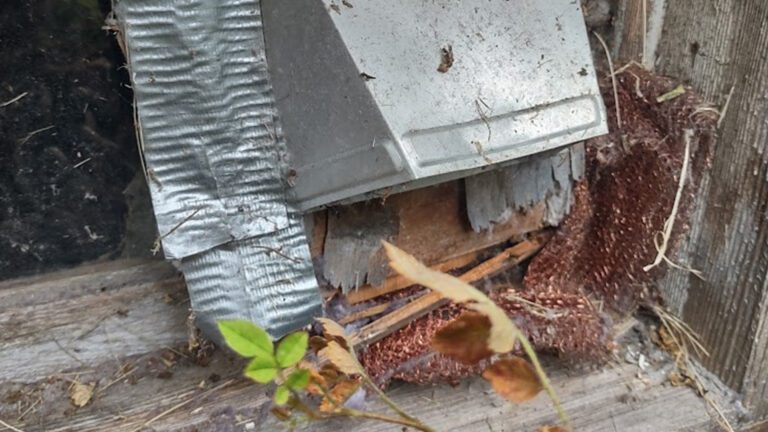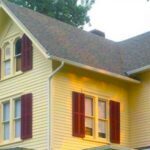
Exterior wood rot is one of the most common—and costly—problems homeowners face. While siding, decks, and porches can all be affected, exterior trim is especially vulnerable. Fascia boards, window trim, door trim, corner boards, and rake trim often show signs of rot long before other areas of the home. Understanding why this happens is the first step toward a long-lasting solution.
What Is Wood Rot?
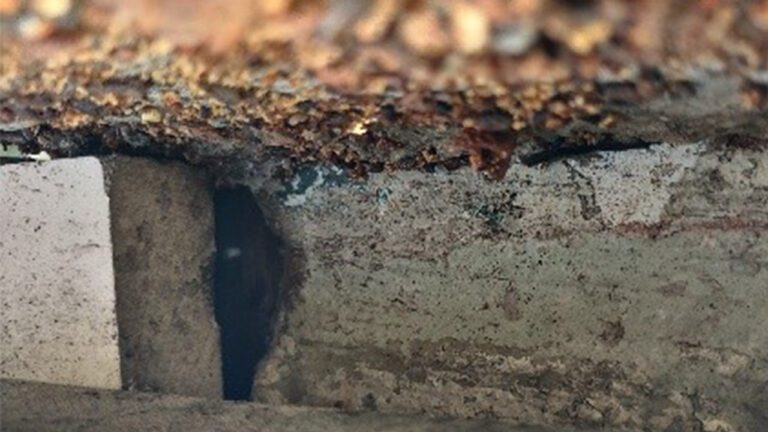
Wood rot occurs when moisture penetrates wood and creates the perfect environment for fungi to grow. Over time, the fungi break down the wood fibers, causing the material to soften, crack, and eventually fail. Once rot begins, it doesn’t stop on its own—repairs are necessary to prevent structural damage and escalating costs.
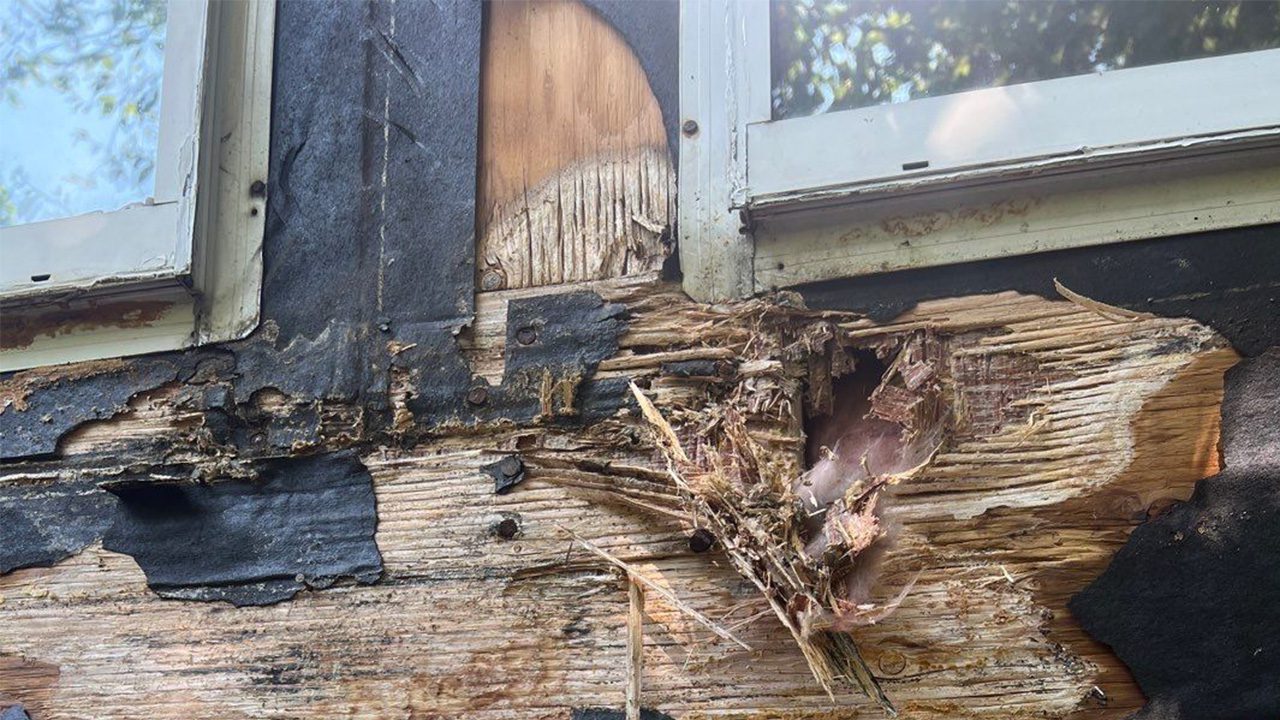
Signs Your Trim May Be Rotted
- Peeling or bubbling paint
- Soft or spongy wood
- Cracks, splits, or missing sections
- Visible mold or discoloration
- Insect activity around trim areas
Ignoring these warning signs can lead to water intrusion behind siding, damaged framing, and even interior issues.
Repair vs. Replacement: Why PVC Trim Makes Sense
While minor rot can sometimes be repaired, recurring problems often mean the material itself is the issue. That’s where PVC trim comes in.
PVC trim is a rot-proof alternative to wood and offers several long-term advantages:
- Will not rot, swell, or absorb moisture
- Resistant to insects and mold
- Holds paint exceptionally well
- Low maintenance compared to wood
- Clean, sharp appearance that lasts for years
PVC trim can be milled and installed to match the original architectural details of your home, providing the same classic look—without the ongoing repairs.
A Long-Term Solution for Homeowners
Replacing rotted wood trim with PVC isn’t just a cosmetic upgrade—it’s an investment in the longevity of your home. Eliminating the material most vulnerable to moisture damage sooner rather than later can save time, money, and frustration. Choosing PVC trim ensures the problem won’t come back—giving you peace of mind and a durable, beautiful exterior for years to come.
Any content, resident submissions, guest columns, advertisements, and advertorials are not necessarily endorsed by or represent the views of Best Version Media LLC (BVM) or any municipality, homeowners associations, businesses, or organizations that this publication serves. BVM is not responsible for the reliability, suitability, or timeliness of any content submitted, inclusive of materials generated or composed through artificial intelligence (AI). All content submitted is done so at the sole discretion of the submitting party.