Most people expect conversations about health to focus on blood pressure, diabetes, arthritis, or heart disease. Very few expect their doctor to ask, “How often do you feel lonely?”
Yet loneliness and social isolation are becoming some of the most significant health challenges facing older adults today. Across America, and especially in retirement communities throughout Central Florida, many seniors are quietly struggling with something that often goes unnoticed: disconnection.
A person may appear healthy on the outside. Their lab work may look good, and their medical conditions may be well managed. But behind closed doors, they may be spending days without meaningful conversation, social interaction, or a strong support system.
The U.S. Surgeon General recently declared loneliness a national public health epidemic. Research shows that chronic social isolation can increase the risk of heart disease, stroke, depression, anxiety, dementia, falls, and even premature death. In fact, some studies suggest the health risks associated with prolonged loneliness are comparable to smoking up to 15 cigarettes a day.
According to the National Academies of Sciences, Engineering, and Medicine, nearly one in four adults over age 65 is considered socially isolated. The Centers for Disease Control and Prevention has also reported that social isolation significantly increases the risk of dementia and cardiovascular disease.
These numbers are concerning, yet loneliness is rarely discussed during routine healthcare visits.
As primary care physicians, however, we often see the effects firsthand.
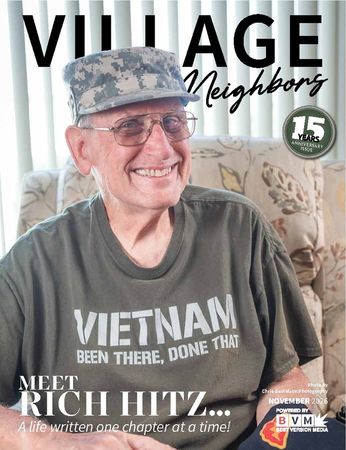
We see the widower who lost his spouse after decades of marriage and now spends most evenings alone. We see the veteran who misses the structure and camaraderie of military life after retirement. We see the individual who stopped driving and gradually became disconnected from the activities and relationships that once brought joy and purpose.
Sometimes the issue isn’t simply medical. Sometimes the issue is that no one has checked on them in weeks.
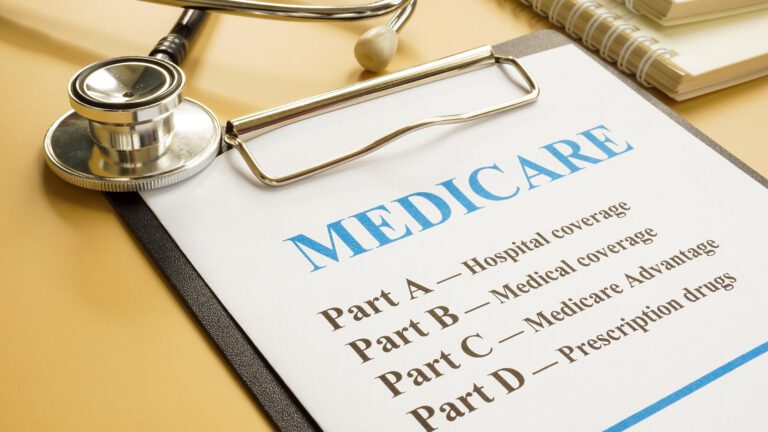
The healthcare system can unintentionally add to the problem. Many seniors face long wait times, fragmented care, transportation challenges, and difficulty navigating referrals and specialist appointments. These barriers can leave patients feeling overwhelmed and isolated during times when support is needed most.
This is why relationship-based primary care is so important.
Good healthcare is about more than prescriptions and diagnoses. It is about understanding a patient’s daily life, support system, challenges, and goals. Strong relationships between patients and healthcare providers create trust, improve communication, and often lead to better health outcomes.
Fortunately, communities like The Villages and many areas throughout Marion and Lake Counties offer unique opportunities to combat isolation. Social clubs, churches, volunteer organizations, fitness groups, neighborhood activities, and veterans organizations provide valuable opportunities for connection.
But participation matters.
Connection matters.
Purpose matters.
For veterans especially, maintaining community ties after military service can be critical. Studies from the Department of Veterans Affairs have shown that social isolation increases the risk of depression, worsening chronic illness, and other serious health concerns.
This is why loneliness should not be viewed solely as an emotional issue. It is a health issue.
Sometimes the most important prescription is not another medication. Sometimes it is joining a walking group, attending a community event, reconnecting with friends, volunteering, or simply reaching out to a neighbor.
Modern healthcare continues to evolve through telehealth, remote monitoring, and other technologies that improve access to care. These tools are valuable, especially for seniors and rural communities. But even as technology advances, one principle remains unchanged: people heal better when they feel connected, heard, and supported.
At GWC Medical Group, our focus is on creating those connections through accessible, relationship-based care. We believe patients deserve to feel supported before a crisis develops, not after.
As Dr. Stabler often reminds patients, “One of the biggest challenges seniors face today is not just illness. It is navigating the healthcare system alone.”
By strengthening connections between healthcare providers, families, neighbors, and communities, we can help address one of the most overlooked threats to senior health and improve quality of life for countless older adults throughout Central Florida.
Any content, resident submissions, guest columns, advertisements, and advertorials are not necessarily endorsed by or represent the views of Best Version Media LLC (BVM) or any municipality, homeowners associations, businesses, or organizations that this publication serves. BVM is not responsible for the reliability, suitability, or timeliness of any content submitted, inclusive of materials generated or composed through artificial intelligence (AI). All content submitted is done so at the sole discretion of the submitting party.