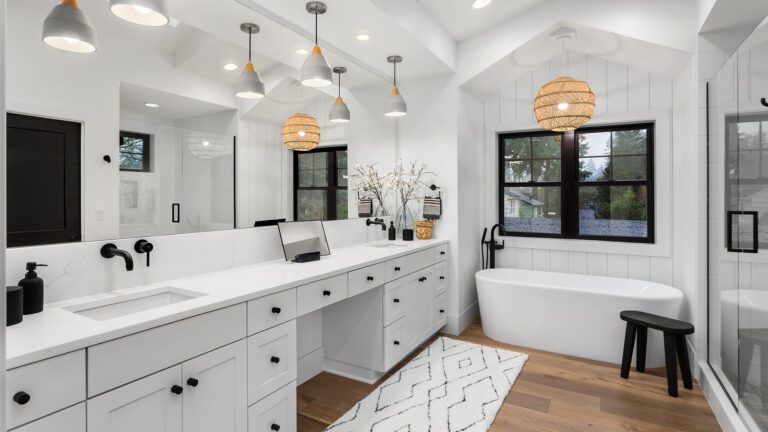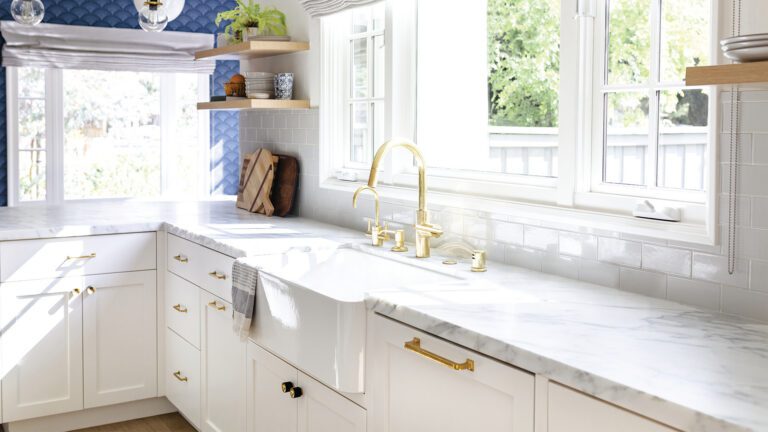

When you’re shopping for a new home, you’ll likely have a list of “must-haves” that are essential to your ideal living space. However, there are circumstances in which it may be worth compromising on your list of non-negotiables.
The True Value of Location
While having a specific number of bedrooms or a large backyard may be high on your priority list, the old real estate adage “location, location, location” remains paramount. A desirable location with easy access to high-quality schools, short commutes to work, and local amenities like parks or shopping centers provides a quality of life that a sixth bedroom cannot. Unlike the structure itself, you cannot change where the land sits. Compromising on square footage to secure a home in an appreciating or stable neighbourhood is often a smarter long-term financial and lifestyle investment. Consider neighbourhoods that are “up and coming.” They might lack current polish but offer significant equity growth potential.
Strategic Budget Compromises and Renovation Potential
Sometimes, your dream home, once finished, may exceed your current price range. In such cases, it can be beneficial to explore properties that may lack a few desired features or modern finishes but offer substantial potential for future customization. This is often referred to as “buying the bones.” If the foundation is solid and the systems (roof, HVAC, plumbing) are functional, you can gradually transform the house into your ideal space through phased renovations. By staying within, or even slightly below, your budget for the purchase price, you maintain the financial flexibility to tackle these projects without the stress of being “house poor.” Look for homes where a wall can be moved or a basement finished to add that missing space later.
The Intangible Value of “Feeling”
What if you walk into a home and it just feels right, even though it’s lacking a feature on your must-have list? Real estate is as much an emotional journey as it is a financial one. That intangible “gut feeling” often stems from a house’s natural light, the flow of the air, or how the space makes you feel when you imagine living your daily life there. It might be worth going with that feeling over a rigid checklist. Keep in mind that what a property lacks today in cosmetic appeal or specific hardware can be remedied over time. You can’t easily manufacture the sense of “home” that some properties naturally possess, so don’t discount the power of intuition.
Compromising on Size and Layout
Many buyers enter the market with a fixed number of square feet in mind, but layout often matters more than total size. An efficiently designed 1,800-square-foot home can feel more spacious and functional than a poorly partitioned 2,200-square-foot home. If a house has an open-concept living area or creative storage solutions, you might find you don’t actually need that extra bedroom you thought was essential. Be willing to consider homes slightly smaller than your target if the layout maximizes usable space. You might save on utility costs and maintenance time in the process.
Accepting Outdated Aesthetics
One of the easiest ways to find a deal is to look past “ugly” wallpaper, outdated carpet, or 1970s wood panelling. Cosmetic issues are temporary and relatively inexpensive to fix compared to structural changes. Many buyers are scared off by minor aesthetic flaws, which decreases competition and gives you more negotiating power. By accepting a home with outdated aesthetics, you are essentially buying a blank canvas that you can paint and furnish to your exact taste, rather than paying a premium for someone else’s design choices that you might only moderately like.
Flexibility on the Closing Timeline
Sometimes the best way to secure a home isn’t by offering the most money or having the best list of features, but by offering the seller convenience. If you can be flexible with your closing date—whether the seller needs a quick exit or a long rent-back period—you may find they are willing to accept your offer over others. This flexibility is a powerful bargaining chip. While it might require you to stay in temporary housing or extend your current lease, it can be the deciding factor that gets you into a house that checks almost all your other boxes.
Conclusion: The 80/20 Rule
Ultimately, successful home buying often comes down to the 80/20 Rule: if you find a house that meets about 80% of your must-haves and you can live with (or eventually change) the other 20%, you’ve found a winner. No home is perfect, and waiting for 100% can result in missing out on great opportunities in a competitive market. Focus on the structural and locational factors you cannot change, and be prepared to be flexible on the rest. By narrowing your focus to what truly matters for your long-term happiness, you’ll find that the perfect home isn’t the one that checks every box on day one, but the one that grows with you over time.
Any content, resident submissions, guest columns, advertisements, and advertorials are not necessarily endorsed by or represent the views of Best Version Media LLC (BVM) or any municipality, homeowners associations, businesses, or organizations that this publication serves. BVM is not responsible for the reliability, suitability, or timeliness of any content submitted, inclusive of materials generated or composed through artificial intelligence (AI). All content submitted is done so at the sole discretion of the submitting party.