In our previous article, we explored how asphalt ages through oxidation—transforming flexible maltenes into stiff asphaltenes—and why biobased treatments like soy-derived rejuvenators offer a greener, more effective alternative to traditional methods. Today, we dive deeper into practical applications, performance data, cost comparisons, and sustainability metrics. For Napa and Sonoma communities, these solutions are proving they can extend pavement life, reduce budgets, and align with our agricultural and environmental values.
Real-World Applications and Performance
Biobased pavement preservation products, such as BioSpan Technologies’ RePlay (a soy-based rejuvenator) has been field-tested across diverse climates, including areas with hot summers, wet winters, and heavy sun exposure similar to Up Valley conditions.
RePlay penetrates oxidized asphalt, replenishing lighter oils and restoring flexibility. In pilot studies, such as those in Iowa and other regions, it reduced water absorption and air permeability, helping prevent cracking and raveling.
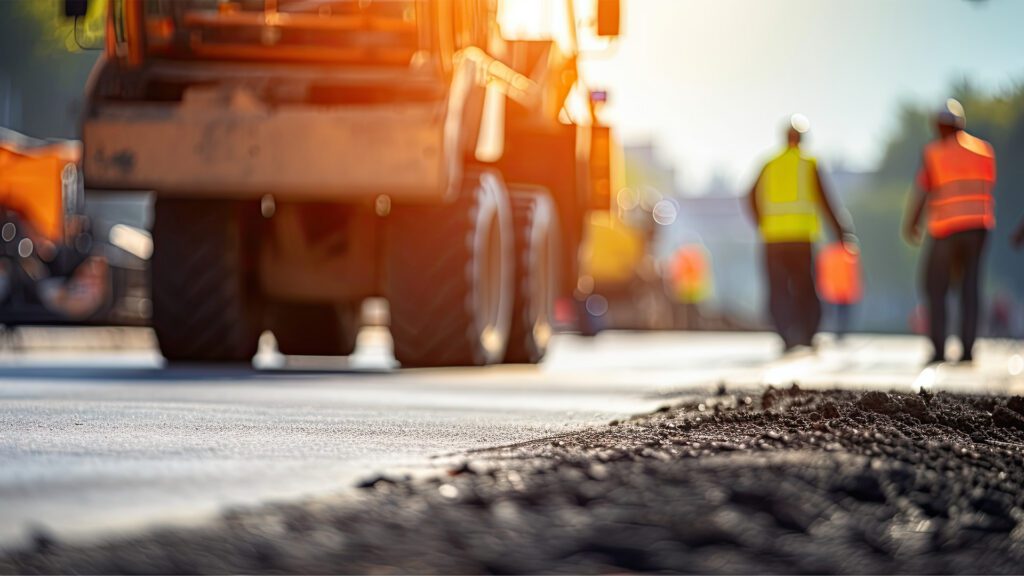
Applications are quick—often via fog seals or emulsions at low rates (around 0.02–0.04 gallons per square yard)—with traffic returning in under 30 minutes. Field trials show extensions of pavement life by 3–5 years or more per treatment.
In California and similar Western climates, this treatment addresses UV-driven aging effectively. Early adopters note fewer potholes and reduced need for major interventions, ideal for vineyard roads, residential streets in St. Helena or Calistoga, and commercial areas during harvest seasons.
Proactive vs Reactive Pavement Preservation
Proactive preservation dramatically lowers long-term costs. Traditional milling and repaving can cost significantly more than repeated preservation treatments. Biobased options like RePlay are often comparable in initial installation to conventional sealers but deliver superior longevity.
Life-cycle analyses show preservation can save 6–10 times the investment compared to reactive repairs. For example, applying a bio-fog seal early controls crack growth and defers expensive overlays or full reconstruction. Municipalities and property owners benefit from lower lifecycle costs, reduced material use, and minimized downtime—critical for businesses and tourism in wine country.
A 20-year biobased preservation program for roads or parking lots can stretch budgets further, freeing funds for other infrastructure needs while avoiding the high costs of repeated full-depth repairs.
Environmental Metrics and Sustainability Benefits
Biobased treatments shine here, using renewable soybean oils, waste vegetable oils, or agricultural byproducts (often 80–90% biobased). They reduce reliance on petroleum, lower VOC emissions, and can be carbon-negative in some formulations with no harmful residues.
Studies highlight reduced greenhouse gas emissions compared to conventional reconstruction or overlays. By extending pavement life and incorporating recycled content where possible, these methods conserve resources and energy. In sensitive areas like Up Valley, they support better water runoff, protect waterways and vineyards from pollutants, and align with California’s sustainability goals.
Products like RePlay are non-toxic and USDA bio-preferred, offering a practical way for local governments, HOAs, and businesses to reduce their carbon footprint without compromising performance.
Local Relevance and Next Steps for Up Valley
For our region, adopting these technologies means resilient roads that support tourism, property values, and daily life with less frequent closures. Imagine fewer cracks after wet winters and maintained black, flexible surfaces through intense summers—all while advancing our commitment to green innovation rooted in agriculture.
BioPave Services, LLC, and partners are ready to help evaluate local roads and design tailored programs using proven biobased solutions. Whether for municipal fleets, commercial properties, or residential communities, the data supports a shift to preservation-first strategies.
In upcoming articles, we’ll share more North Bay case studies, technical formulation insights, and implementation guides. Our roads don’t have to age prematurely—science-backed, renewable preservation keeps them rolling smoothly, sustainably, and affordably for generations to come.
Dennis Helmer is the owner of BioPave Services, LLC, specializing in biobased asphalt preservation solutions for the North Bay and beyond. Contact for consultations on extending your pavement’s life.
For more information, please visit: https://biopave.net/, or email dennis@biopave.net
Any content, resident submissions, guest columns, advertisements, and advertorials are not necessarily endorsed by or represent the views of Best Version Media LLC (BVM) or any municipality, homeowners associations, businesses, or organizations that this publication serves. BVM is not responsible for the reliability, suitability, or timeliness of any content submitted, inclusive of materials generated or composed through artificial intelligence (AI). All content submitted is done so at the sole discretion of the submitting party.