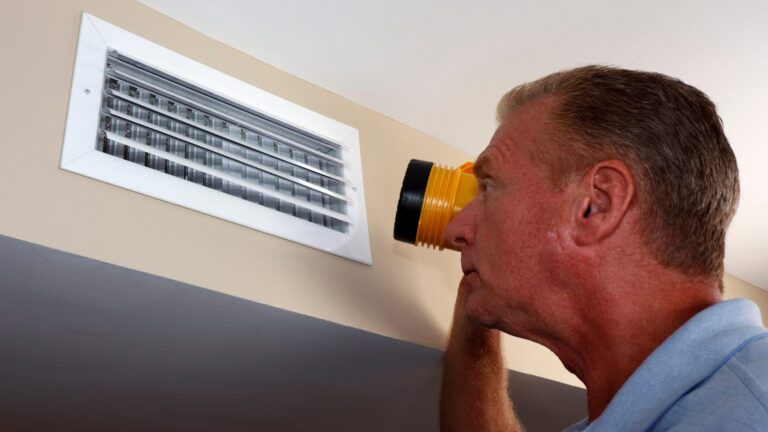
As summer temperatures peak, many homeowners look for ways to reduce cooling costs. One common strategy is closing air vents in unused rooms. While it may seem logical that shutting off airflow to certain areas will save money, the reality is often more complicated.
Most residential HVAC systems are designed to move a specific amount of air throughout the home. When several vents are closed, the system can experience increased pressure within the ductwork. Instead of helping efficiency, this restriction may cause the system to work harder to distribute air where it’s needed.
Why Closing Vents Became a Popular Myth
Many homeowners learned this tip years ago because it seems intuitive. If you’re not using a room, why cool it? The challenge is that most HVAC systems aren’t designed like individual room units. They’re designed to condition the entire home as a system.
What saves energy on one type of system doesn’t always work the same way in central heating and cooling systems. Because of this, closing vents often doesn’t deliver the energy savings people expect. Instead, it can restrict airflow, create pressure imbalances, and make it more difficult for the system to distribute air evenly throughout the home. In some cases, homeowners may notice hot and cold spots, longer run times, or decreased comfort.
It’s also important to understand that closing vents is not the same as having a zoned HVAC system. Zoned systems are specifically designed with controls and dampers that regulate airflow safely and efficiently to different areas of the home. Simply shutting vents in unused rooms doesn’t provide the same benefits and may actually work against the system’s intended design.
Closing vents can also create uneven temperatures throughout the home. Rooms may become too warm or too cool, leading occupants to adjust the thermostat more frequently. In some cases, this can result in longer run times and reduced comfort.
There are more effective ways to improve comfort and efficiency during the hottest months of the year:
- Replace air filters regularly.
- Keep supply and return vents unobstructed.
- Use ceiling fans to improve air circulation.
- Seal drafts around windows and doors.
- Keep blinds and curtains closed during peak sunlight hours.
During the hottest days of summer, homeowners naturally look for ways to improve comfort and reduce energy costs. While closing vents may seem like an easy solution, most systems perform best when airflow is allowed to move as designed.
Understanding the difference between HVAC myths and proven efficiency practices can help keep your home comfortable while avoiding unnecessary strain on your equipment.
Any content, resident submissions, guest columns, advertisements, and advertorials are not necessarily endorsed by or represent the views of Best Version Media LLC (BVM) or any municipality, homeowners associations, businesses, or organizations that this publication serves. BVM is not responsible for the reliability, suitability, or timeliness of any content submitted, inclusive of materials generated or composed through artificial intelligence (AI). All content submitted is done so at the sole discretion of the submitting party.