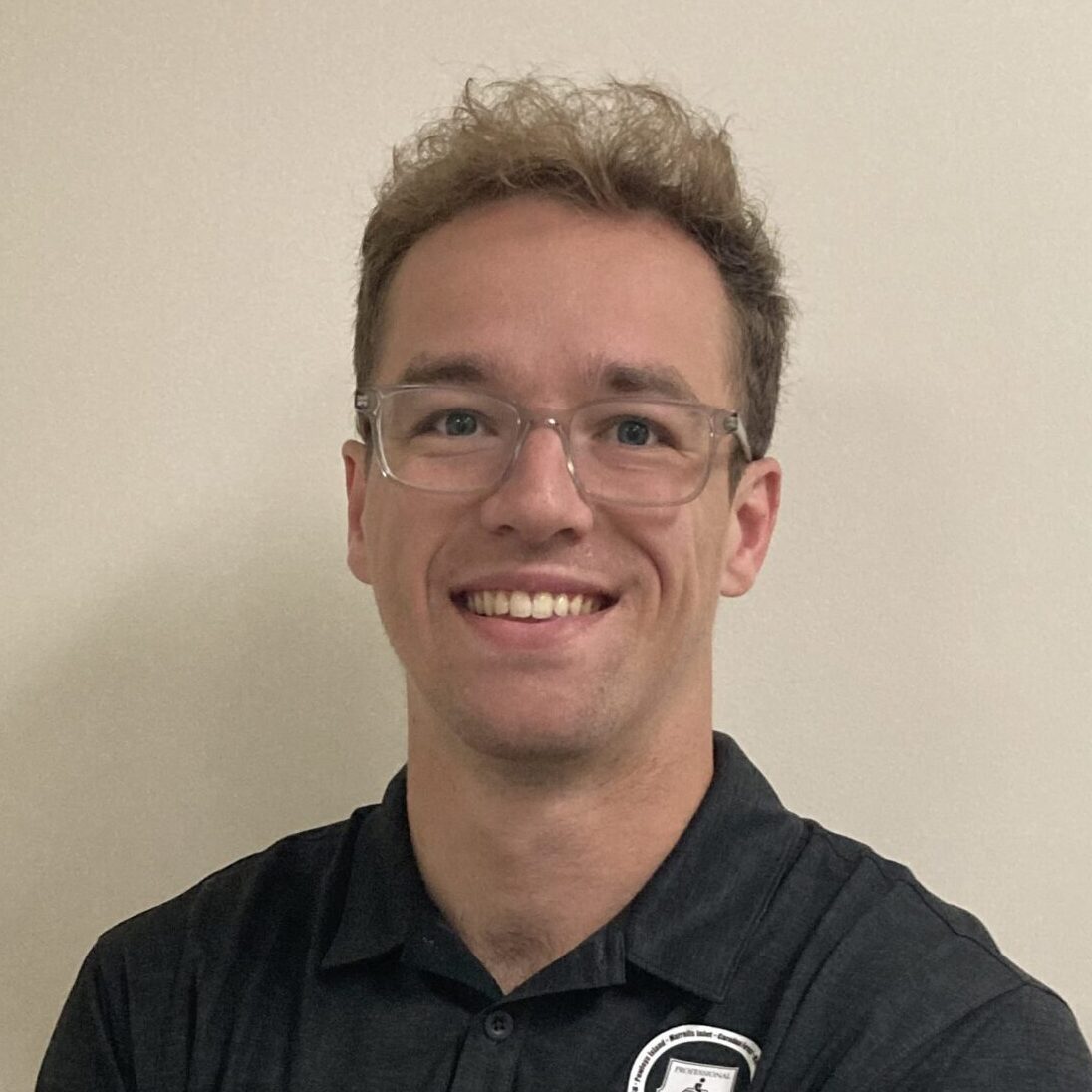
For a long time, the common belief about concussion rehabilitation has been to rest in a dark room with little brain stimulation to allow the brain to heal; however, as the knowledge about the brain has advanced, so has the knowledge about recovering from a concussion. We now know that it is important to stimulate the brain as tolerated while we are trying to get back to our normal daily lives. Research now supports a brief period of relative rest followed by a gradual return to school, work, and other daily activities within 24-48 hours of injury. Gradually returning to our normal activities also decreases risk for deconditioning, social isolation, and increased anxiety that comes from prolonged inactivity. Like many other injuries, recovery is often improved through gradual and progressive exposure to activity rather than complete avoidance. Returning to school, work, and exercise in a gradual and controlled manner can help promote recovery. Mild symptom increases are often acceptable, but activities should be adjusted if symptoms become significantly worse. Other cognitive activities, such as reading, puzzles, video games, and schoolwork, can often be resumed gradually as tolerated and may help build tolerance to mental activity. When I was playing football throughout high school and college, I had a couple of concussions that I had to recover from. I would still play video games while I was resting at home, against the advice of my parents, because I was bored and needed something to do. At the time, I wasn’t aware that complete avoidance of all cognitive activity was no longer considered necessary. Activities such as video games, reading, or other mentally stimulating tasks can often be resumed gradually as tolerated.
Regarding returning to exercise, research has shown that carefully prescribed aerobic exercise performed below a patient’s symptom threshold can improve recovery following concussion. Physical therapists often use graded exercise programs to improve exercise tolerance, reduce symptoms, and help patients safely return to normal activity
When it comes to recovering from a concussion, it is important to remember that multiple systems can be affected, and a headache is just one of the possible symptoms. We can also see people struggling with dizziness, motion sensitivity, poor balance, visual fatigue, eye convergence insufficiency, neck pain, exercise intolerance, anxiety, and sleep disturbances. Many of these issues can be improved through targeted exercise and physical therapy interventions.
It is important to gradually return to your normal life quickly following a concussion. For example, if you are a student and have 8 classes a day, but can only get through 3 of them before your head starts hurting, going to those three classes every day until you can go to more will do a lot more for your recovery than staying home and resting in a dark room. Building tolerance through activity and stimulation, rather than prolonged inactivity, can shorten the time required to return to school, work, and exercise. Depending on the severity of the concussion, it can take weeks to fully recover without treatment or intervention.
Persistive post-concussion symptoms (PPCS) is a lesser-known possible consequence of a concussion. Many patients are surprised to learn that persistent symptoms are not always caused solely by the brain injury itself. Dysfunction within the vestibular system, visual system, cervical spine, and autonomic nervous system can all contribute to ongoing symptoms. These symptoms can last for multiple weeks, multiple months, or over a year in some cases. Even if the headache is gone there are plenty of other problems that can present themselves like issues with balance, vision, attention span, etc. Physical therapy plays a central role in identifying these impairments and providing targeted interventions that help patients safely return to work, school, sport, and daily life. Physical therapy can target the vestibular system, the cerebellum, eye convergence, visual tracking, and more to improve recovery. Additionally, our neck usually undergoes traumatic and irritating forces from whatever event causes the concussion in the first place and can negatively impact our brain’s recovery. So it can become important to treat the concussion symptoms and neck symptoms during recovery to facilitate the best and quickest outcomes possible.
The good news is that most people recover well following a concussion, especially when they receive appropriate guidance and treatment. If symptoms persist beyond the expected recovery period or begin interfering with work, school, exercise, or daily life, a physical therapist trained in concussion management can help identify the underlying causes and develop a targeted rehabilitation plan. Please call the Market Common clinic at (843) 213-6338 with any questions regarding this topic or to schedule a free 15-minute consultation to see if physical therapy can benefit you!
Any content, resident submissions, guest columns, advertisements, and advertorials are not necessarily endorsed by or represent the views of Best Version Media LLC (BVM) or any municipality, homeowners associations, businesses, or organizations that this publication serves. BVM is not responsible for the reliability, suitability, or timeliness of any content submitted, inclusive of materials generated or composed through artificial intelligence (AI). All content submitted is done so at the sole discretion of the submitting party.