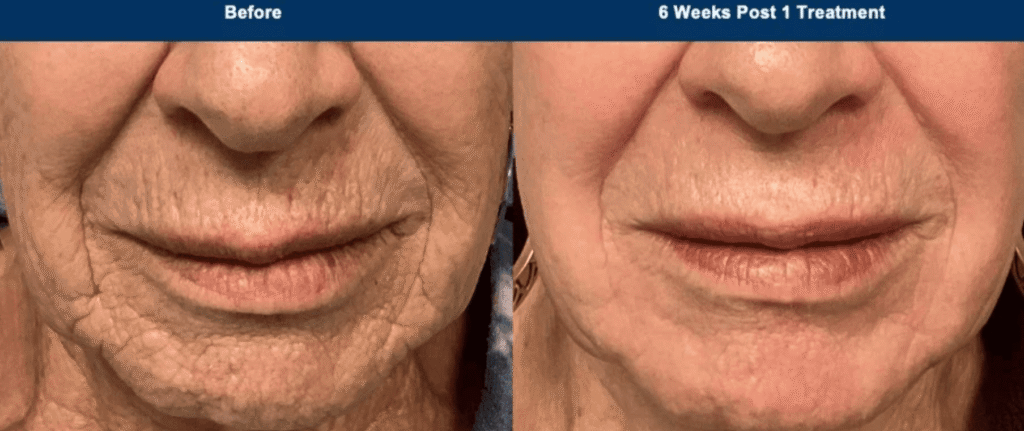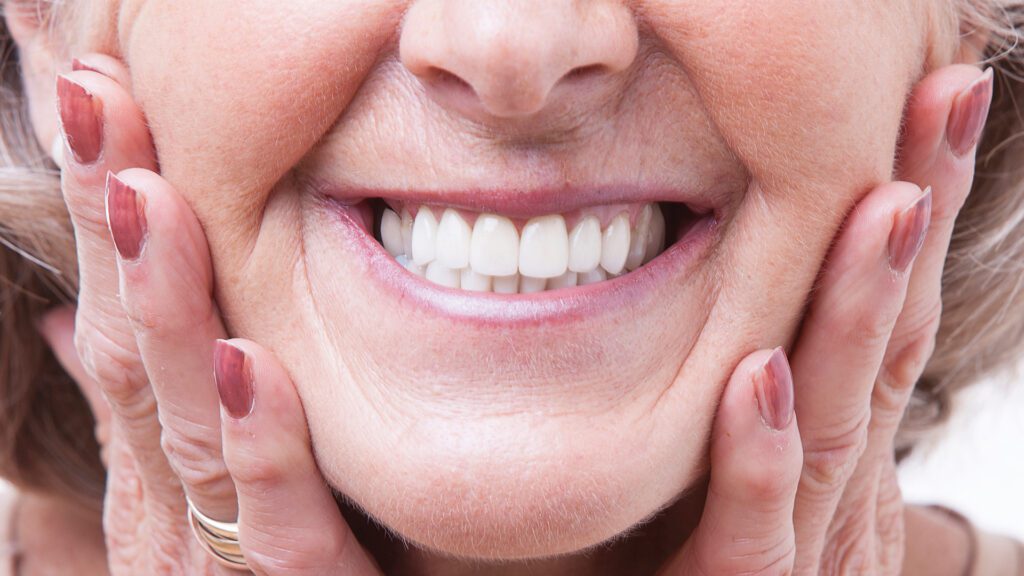
One of the most common questions I hear from patients is, “What’s the best treatment for aging?” While it seems like a simple question, the answer is surprisingly complex. There is no single treatment that works for everyone because we are all unique. Genetics, sun exposure, lifestyle, and overall health all influence how we age. Understanding the different components of facial aging helps explain why personalized treatment plans produce the best results.
Prevention Versus Correction
One of the biggest advantages in cosmetic medicine is addressing aging before changes become more pronounced. Preventive measures such as daily sunscreen, medical-grade skincare, and healthy lifestyle habits help preserve the skin and slow the development of wrinkles and sun damage. While many cosmetic treatments can improve existing signs of aging, prevention often requires less treatment over time than correction.
Skin Quality
Healthy, vibrant skin is the foundation of a youthful appearance. As collagen and elastin decline with age, the skin becomes thinner, rougher, and less resilient. Treatments that stimulate collagen production and resurface the skin, such as the UltraClear® laser and Fraxel® laser, can improve skin texture, reduce fine lines, and promote healthier, more youthful-looking skin. Medical-grade skincare also plays an important role in maintaining results and protecting against future damage.
Volume Loss
Many people associate aging with wrinkles, but loss of facial volume is often one of the earliest and most significant changes. Fat naturally diminishes and shifts over time, causing the cheeks to flatten, the temples to hollow, and shadows to develop beneath the eyes. Carefully placed hyaluronic acid fillers can restore volume and soften facial contours, while Sculptra® works differently by stimulating the body’s own collagen production over time. The choice of treatment depends on the areas being treated, the desired result, and each patient’s unique facial anatomy.
Skin Laxity
As collagen declines, the skin gradually loses firmness. This can contribute to sagging along the jawline, looseness in the neck, and drooping of the cheeks. For patients with mild to moderate skin laxity, collagen-stimulating treatments such as Sofwave™ can improve skin firmness by using ultrasound energy to promote new collagen production. More advanced laxity may ultimately require surgical correction.

(Submitted by Dr. Alison Kang)
Wrinkles
Not all wrinkles develop for the same reason. Dynamic wrinkles are caused by repeated facial expressions and often respond well to neuromodulators such as Botox®. Static wrinkles, which remain visible even at rest, are more closely related to collagen loss, sun damage, and skin aging. Successfully treating wrinkles often requires addressing the underlying cause rather than simply targeting the wrinkle itself.
Pigmentation
Brown spots, freckles, and uneven pigmentation become more common with age and sun exposure. While these changes are often harmless, they can make the skin appear older than it is. Proper diagnosis is important because not all pigmentation is treated the same way. Depending on the cause, treatments may include topical medications or lasers such as the Q-switched Alexandrite laser, which effectively targets sun spots, or the Fraxel® laser, which can improve both pigmentation and overall skin texture. Regardless of treatment, diligent sun protection remains essential to help prevent recurrence.

(Submitted by Dr. Alison Kang)
Combination Therapies
Because aging affects multiple layers of the face, a single treatment rarely addresses every concern. For many patients, the best results come from combining treatments that improve skin quality, soften wrinkles, restore volume, and stimulate collagen. Thoughtfully combining therapies often produces more balanced, natural-looking results than relying on any one procedure alone.
The Importance of an Individualized Treatment Plan
Perhaps the most important principle in cosmetic medicine is recognizing that every patient ages differently. Two people of the same age may have completely different concerns and require entirely different approaches. An experienced physician considers facial anatomy, skin quality, medical history, and personal goals before recommending treatment.
Contact a dermatologist to develop your own individualized treatment plan.
If you want to know more about this topic, contact Dr. Alison Kang at 714.695.5717 or visit www.prestigecosmeticderm.com.
Any content, resident submissions, guest columns, advertisements, and advertorials are not necessarily endorsed by or represent the views of Best Version Media LLC (BVM) or any municipality, homeowners associations, businesses, or organizations that this publication serves. BVM is not responsible for the reliability, suitability, or timeliness of any content submitted, inclusive of materials generated or composed through artificial intelligence (AI). All content submitted is done so at the sole discretion of the submitting party.