As the air cools and leaves begin to turn, fall is the ideal season to give your trees the attention they need to stay healthy through winter and thrive next spring. A few well timed tasks now can prevent problems, reduce stress on trees, and set the stage for vigorous growth. Here are practical, easy-to-follow tips to help your trees finish the year strong.
Inspect and prune selectively: Walk your property and look for dead, diseased, or broken branches. Late fall—after most leaves have dropped—is a good time for light pruning because the tree’s structure is visible. Remove only what’s necessary: deadwood, crossing limbs, and branches that rub. Avoid heavy pruning of healthy trees late in the season; major cuts can stimulate new growth that won’t harden off before frost.
Mulch to protect roots: Apply a 2–4 inch layer of organic mulch (shredded bark, wood chips, or compost) around the base of trees, extending to the drip line if possible. Mulch moderates soil temperature, conserves moisture, and reduces frost heaving. Keep mulch a few inches away from the trunk to prevent rot and rodent damage.
Water deeply before freeze-up: Trees continue to use water into late fall. Give young and newly planted trees a deep soak during dry spells until the ground freezes. Deep watering helps roots store moisture for winter and reduces drought stress. Mature trees benefit too, especially after a dry summer.
Protect trunks and young trees: Thin-barked species (like Birch or Beech) and young trees are vulnerable to sunscald and rodent damage. Wrap trunks of susceptible trees with tree guards or wrap in late fall, and remove wraps in spring. For rodent protection, use hardware cloth or tree guards around the base to keep mice and voles from gnawing bark under snow cover.
Manage pests and disease: Rake and dispose of fallen leaves and fruit that can harbor fungal spores and insect eggs. For trees with a history of specific diseases, follow recommended sanitation and treatment practices—removing infected material and, if needed, applying targeted treatments in consultation with a certified arborist or extension service.
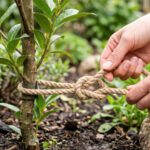
Stake and secure young trees: If you planted trees this year, check stakes and ties. Remove or loosen ties that are too tight to prevent girdling, and keep stakes only as long as needed for stability—usually one growing season. Ensure stakes allow some movement so roots strengthen.
Plan for winter weather: Consider windbreaks or burlap screens for vulnerable specimens in exposed locations. For fruit trees, thin remaining fruit to reduce limb breakage from snow and ice. For large, valuable trees, consult a tree expert about structural pruning to reduce the risk of storm damage.
Know when to call a pro: If a tree shows signs of serious disease, large structural defects, or if pruning requires climbing or heavy equipment, hire an expert. Professional assessment can prevent hazards and protect your landscape investment.
A little attention in autumn pays dividends in spring. By inspecting, mulching, watering, and addressing risks now, you’ll help your trees survive winter and burst into health next year.
Any content, resident submissions, guest columns, advertisements, and advertorials are not necessarily endorsed by or represent the views of Best Version Media LLC (BVM) or any municipality, homeowners associations, businesses, or organizations that this publication serves. BVM is not responsible for the reliability, suitability, or timeliness of any content submitted, inclusive of materials generated or composed through artificial intelligence (AI). All content submitted is done so at the sole discretion of the submitting party.