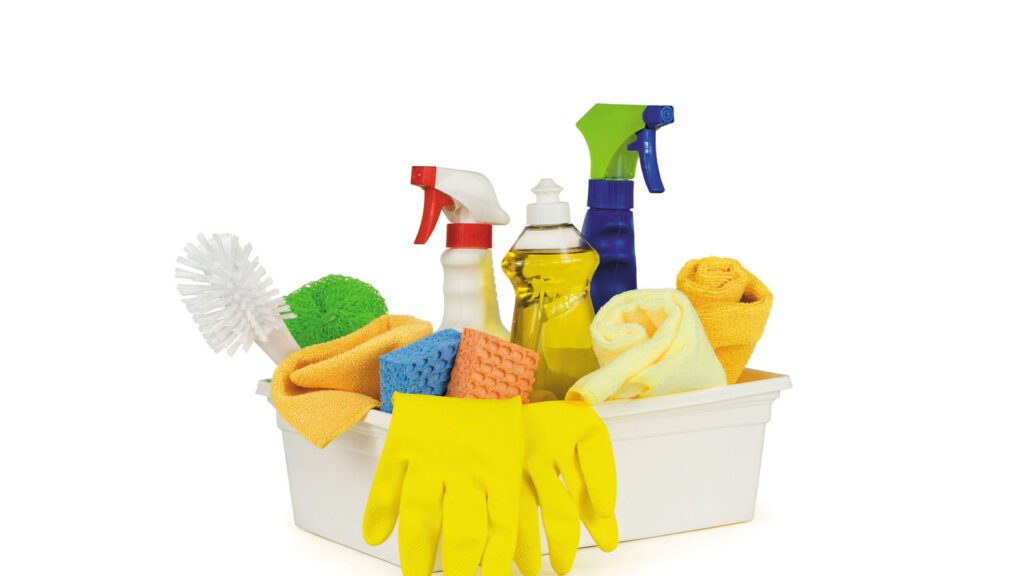
Bleach can be an effective disinfectant when used properly, but stronger does not always mean better. On the wrong surface—or when combined with other household products—bleach can cause discoloration, deterioration and even create dangerous fumes.
Knowing when not to reach for bleach can help protect your home and the people in it.
Wood Surfaces
Bleach may discolor wood, damage finishes and affect the wood fibers over time.
Try instead: A mild detergent diluted in water or a cleaner specifically designed for the type of wood and finish.
Rubber Seals
Repeated exposure to bleach may contribute to deterioration of some rubber seals and gaskets found around appliances and plumbing.
Try instead: Warm water with a small amount of mild dish soap, following the manufacturer’s care instructions.
Colored Fabrics
Traditional chlorine bleach can remove or alter dyes, leaving permanent fading or uneven spots.
Try instead: A color-safe, oxygen-based laundry product when the garment’s care label allows it.
Plastic Surfaces
Certain plastics may become discolored or deteriorate with repeated exposure to strong bleach solutions.
Try instead: Mild soap and water with a soft cloth or sponge.
Leather
Bleach can remove color and natural oils from leather, potentially leaving it dry, cracked or permanently damaged.
Try instead: A product specifically formulated for leather, following the manufacturer’s directions.
Metal Surfaces
Chlorine bleach can react with some metals and may cause corrosion, pitting or discoloration, particularly when left on the surface.
Try instead: Mild soap and water or a cleaner approved for that particular metal.
Delicate Fabrics
Materials such as silk, wool and spandex can be damaged by chlorine bleach.
Try instead: Follow the garment’s care label and use a detergent designed for delicate fabrics.
Electronics
Phones, laptops, televisions and touchscreens frequently have protective coatings that can be damaged by harsh household cleaners.
Try instead: Follow the device manufacturer’s cleaning instructions and use a soft microfiber cloth or an approved electronics-cleaning product.
One Important Safety Rule
Never mix bleach with vinegar, ammonia or other household cleaning products. Certain combinations can create hazardous gases. Use bleach only as directed on the product label, provide adequate ventilation and keep cleaning products safely stored away from children and pets.
Before using any cleaning product, read both the product label and the care instructions for the surface being cleaned. When trying something new, test it first in a small, inconspicuous area.
A clean home doesn’t require using the strongest product available. Often, choosing the right product for the right surface is the safest—and most effective—approach.
Any content, resident submissions, guest columns, advertisements, and advertorials are not necessarily endorsed by or represent the views of Best Version Media LLC (BVM) or any municipality, homeowners associations, businesses, or organizations that this publication serves. BVM is not responsible for the reliability, suitability, or timeliness of any content submitted, inclusive of materials generated or composed through artificial intelligence (AI). All content submitted is done so at the sole discretion of the submitting party.