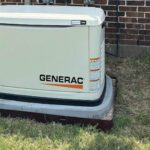
When a storm knocks out the grid, a permanent standby generator keeps a home running automatically. But unlike a portable unit you roll out during an outage, a permanent generator is a regulated improvement in The Woodlands, and understanding the process up front helps homeowners plan realistically.
Portable vs. permanent. A portable generator needs no approval; it simply must be stored out of public view when idle and run per the manufacturer’s safety instructions. A permanent standby unit ties into the home’s natural gas supply and electrical panel through an automatic transfer switch and requires written approval from the Township before installation begins.
Township approval. Every permanent improvement needs sign-off from the Residential Design Review Committee (RDRC). Applications now go through the Township’s online Civic Access Portal — a change from the older in-person process. One detail that catches people off guard: if a contractor applies on a homeowner’s behalf, the homeowner must first register for their own portal account.
What the standards require. Under the Township’s generator standards (updated July 2025), a permanent unit must sit less than six feet above natural grade and be placed to minimize impact on neighbors. A generator in the side yard adjacent to the home needs no screening, but one in the front or rear yard must be screened if it’s visible to a street, golf course, or body of water — a common situation in neighborhoods backing to greenbelt or water. The unit may encroach up to eight feet into a rear easement and three feet into side easements, as long as it doesn’t impede drainage. Self-test cycles must be scheduled during daytime hours so the weekly exercise run doesn’t disturb neighbors at dawn.
Details that affect the timeline. There are a few possible items that surface on many installations. A whole-home unit can draw more fuel than an existing gas meter was sized to deliver, so a meter upgrade with the CenterPoint may be needed before startup. Connecting the transfer switch often requires a temporary disconnect and reconnect through the electric utility, and occasionally a panel or service upgrade. The Township also maintains a list of qualified inspectors; using one from that approved roster keeps final sign-off on schedule.
Planning ahead. Placement considerations should be discussed and decided ahead of review by the Township. For example, a side-yard location, for instance, can avoid screening entirely. Knowing these requirements early lets homeowners choose a unit, a location, and a timeline that fit their property and the Township’s standards, rather than discovering constraints mid- project. The approval process generally takes 2-4 weeks
Any content, resident submissions, guest columns, advertisements, and advertorials are not necessarily endorsed by or represent the views of Best Version Media LLC (BVM) or any municipality, homeowners associations, businesses, or organizations that this publication serves. BVM is not responsible for the reliability, suitability, or timeliness of any content submitted, inclusive of materials generated or composed through artificial intelligence (AI). All content submitted is done so at the sole discretion of the submitting party.