The holidays bring more cooking, more dishes, more laundry—and more work for the appliances throughout your home. Refrigerators are packed with groceries, ovens run for hours, and washers and dryers handle extra towels, bedding, and clothing.
Unfortunately, this is also when a small appliance problem can turn into a major inconvenience. Many breakdowns are preceded by warning signs such as unusual noises, longer cycles, inconsistent temperatures, or excess heat. Taking a few minutes to inspect your most-used appliances before guests arrive may help you catch a problem early.
Here are five areas to check before the holiday rush begins.
1. Refrigerator and Freezer
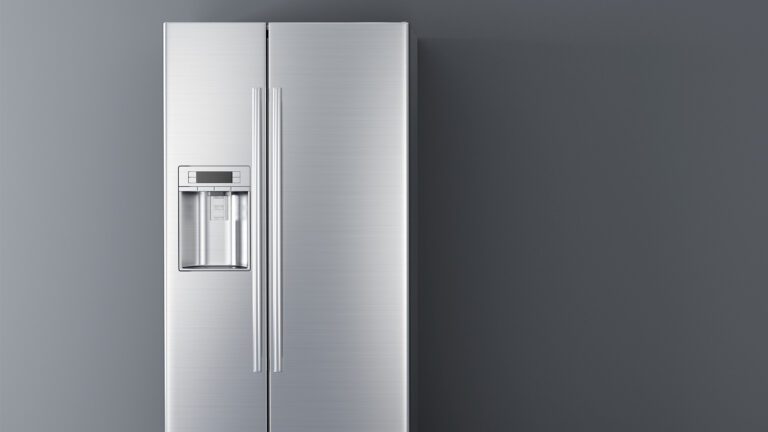
A refrigerator needs room for cold air to circulate. Before stocking up for holiday meals, remove expired food and avoid packing shelves so tightly that air cannot move between items.
The refrigerator should maintain a temperature near 37 degrees, while the freezer should remain around 0 degrees. Check the door seals by closing the door over a piece of paper or a dollar bill. If it pulls out easily, the seal may not be closing tightly. Watch for inconsistent temperatures, excessive frost, water collecting beneath the appliance, or a motor that seems to run constantly. These may indicate that the refrigerator is working harder than it should.
2. Oven and Cooktop
Test your oven before the day of an important meal. Uneven browning, unusually long cooking times, or food that is consistently overcooked or undercooked may indicate that the oven is not maintaining the correct temperature.
Inspect electric heating elements for cracks, blistering, or damaged areas, and make sure the oven door closes completely. Escaping heat can increase cooking times and create uneven results.
If you plan to use the oven’s self-cleaning feature, do so well in advance of the holiday. Self-cleaning cycles reach extremely high temperatures and can place additional strain on older or already-worn components.
3. Dishwasher
Holiday meals often mean running the dishwasher several times a day. Before guests arrive, clean the filter according to the manufacturer’s instructions and inspect the spray arms for trapped food particles or mineral buildup.
When loading the dishwasher, make sure dishes do not prevent the spray arms from turning or block the detergent dispenser. Cloudy glasses, food remaining after a complete cycle, water left in the bottom, or an unusual odor can all signal that the dishwasher needs attention.
Always use detergent designed specifically for dishwashers. Regular dish soap creates excessive suds and may cause leaking.
4. Washing Machine
Extra guests often bring extra loads of towels, sheets, and clothing. Inspect the washer’s water-supply hoses for cracks, bulges, moisture, or corrosion around the connections. A worn hose can fail with little warning and cause significant water damage.
Listen for loud banging, grinding, or squealing during a cycle. While some movement is normal, repeated shaking may mean the washer is not level, the load is unbalanced, or a component is beginning to wear.
Avoid overloading the machine. Clothing and linens need enough room to move freely for proper washing and rinsing.
5. Dryer and Vent
Cleaning the lint screen after every load is important, but lint can also accumulate inside the dryer vent and ductwork. Restricted airflow causes the dryer to run hotter and longer, increases energy use, and creates a potential fire hazard.
Warning signs include clothes requiring more than one cycle to dry, laundry feeling unusually hot, a burning smell, or the dryer shutting off before the cycle is finished. These symptoms should not be ignored.
A little preparation can go a long way during the busiest season of the year. Checking these five areas before holiday cooking, cleaning, and entertaining begin can help your appliances operate more safely and efficiently—and reduce the chance of an unexpected interruption while your home is full of guests.
For your next appliance repair, call Josh’s Appliance Repair at 832-320-2090.
Any content, resident submissions, guest columns, advertisements, and advertorials are not necessarily endorsed by or represent the views of Best Version Media LLC (BVM) or any municipality, homeowners associations, businesses, or organizations that this publication serves. BVM is not responsible for the reliability, suitability, or timeliness of any content submitted, inclusive of materials generated or composed through artificial intelligence (AI). All content submitted is done so at the sole discretion of the submitting party.