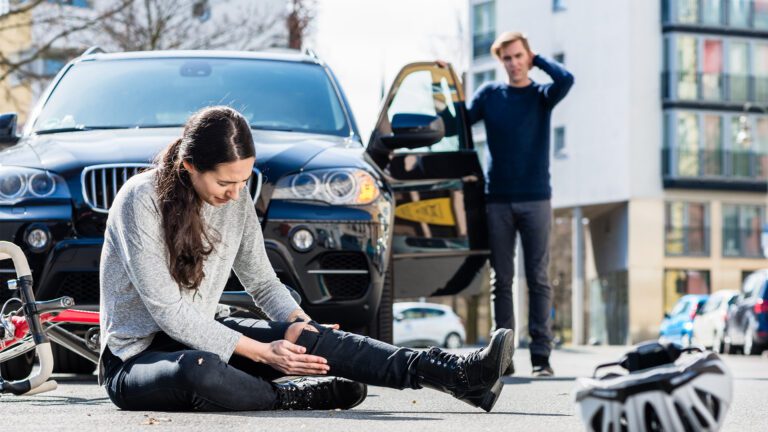
A car wreck is stressful enough. Then come the phone calls, repair estimates, medical appointments, rental car issues, and insurance adjusters. Most people want to get the claim handled quickly and move on with life. That is understandable. But moving too fast, or trusting the wrong person too much, can create problems that are hard to fix later.
For any serious injury or property damage, knowing what not to do can be just as important as knowing what to do. The claims process is almost always adversarial, no matter how friendly the adjuster sounds on the phone. An adjuster may make you feel like the insurance company is going to take care of everything. But when it is time to write the check, that same company may start picking apart your claim and using your own words against you.
If you are seriously injured, talk with an attorney before speaking directly with any insurance company. If you do not need a lawyer, we will tell you that. Initial visits with my office are free, confidential, and with no obligation.
Do Not Admit Fault at the Scene
After a wreck, people are rattled. They are embarrassed, scared, or just trying to be polite. Many people say “I’m sorry” out of habit, even when they did nothing wrong. Do not make statements that sound like you are accepting blame.
Instead, check for injuries, exchange information, cooperate with police if criminal charges are not a concern, and let the facts get sorted out after the dust settles.
Fault is not always obvious. Liability can be shared, such as 75% one driver’s fault and 25% the other driver’s. The other driver may have been speeding, distracted, impaired, following too closely, or violating a traffic law. These details matter, especially when insurance coverage is being evaluated.
Do Not Leave Without Gathering Information
If it is safe, take photos of everything: the vehicles, damage, license plates, traffic signals, road signs, debris, skid marks, and the overall scene. If police are not there, get the other driver’s name, phone number, insurance information, driver’s license information, and license plate number.
If there are witnesses, ask the officer to include their contact information in the crash report, and keep that information yourself. Once the scene clears, important details can disappear quickly.
Do Not Delay Reporting the Claim
Waiting too long to notify your insurance company can create problems, even when the other driver is at fault. At my office, we are happy to report these claims to your insurance company so you do not have to speak with them directly.
There can also be an important relationship between medical-payments coverage under your car insurance and your health insurance. If that process is not handled correctly, bills can get delayed, denied, or even sent to collections.
Uninsured motorist coverage also needs to be reviewed carefully. Never depend on your insurance company to give you complete advice about what they may owe you. Insurance adjusters do not work for you. I frequently review cases where policyholders were not properly advised about all available coverage. Sometimes, I believe they’re just “playing possum.”
If you report a claim yourself, keep it simple and factual. Give the date, time, and location of the crash, identify the vehicles involved, and state whether anyone was injured. Do not guess about fault, speed, distances, or anything else you do not know.
Also, do not tell an adjuster you are “fine” just because you do not yet know how badly you are hurt. Pain and stiffness can show up or worsen after a crash. What feels like soreness on day one may turn into something more serious by day three or day five. Do not assume you can just “walk it off” until you have been evaluated.
Do Not Give a Recorded Statement Without Preparing
Insurance adjusters often ask for a recorded statement early in the claim. They may make it sound routine, harmless, or required immediately. But anything you say can be used against you later.
You may still be in pain, taking medication, unsure of the facts, or unaware of the full extent of your injuries. Before giving a recorded statement, get legal advice.
Do Not Skip Medical Care
Many people try to tough it out after a wreck. That can hurt both your health and your claim. Pain from neck, back, shoulder, knee, or head injuries may increase over several days. If you delay treatment, the insurance company may argue that your injuries were not caused by the crash or were not serious.
Get evaluated if you have pain, stiffness, headaches, dizziness, numbness, or any new symptoms. Follow your doctor’s instructions, attend appointments, and keep records of diagnoses, bills, prescriptions, referrals, imaging, and work restrictions.
Do Not Accept the First Settlement Too Quickly
A fast settlement offer can be tempting, especially when bills are piling up. But early offers often come before the full extent of your injuries, treatment costs, lost wages, and future medical needs are known. The adjuster knows this.
Once you sign a release, your claim is usually over. If your pain worsens or you later need injections, surgery, therapy, or time off work, you may not be able to ask for more money. Do not settle until you understand your injuries, property damage, wage loss, and future needs.
Do Not Post About the Accident Online
Insurance companies may look at social media. A photo, joke, gym check-in, vacation post, or casual comment can be taken out of context. Even saying “I’m okay” may be used to question your injuries. Avoid posting about the wreck, your injuries, your claim, or your vehicle damage.
Final Takeaway
After a car wreck, be calm, careful, and organized. Do not admit fault, guess, sign blindly, delay medical care, rush into settlement, or rely on the insurance company to protect you. Keep copies of letters, emails, repair estimates, medical bills, receipts, and claim numbers. Take notes during calls, including the date, the adjuster’s name, and what was discussed.
If the crash caused injuries or the insurance company is pressuring you to move fast, call us for a free consultation before making decisions that could affect your claim.
Any content, resident submissions, guest columns, advertisements, and advertorials are not necessarily endorsed by or represent the views of Best Version Media LLC (BVM) or any municipality, homeowners associations, businesses, or organizations that this publication serves. BVM is not responsible for the reliability, suitability, or timeliness of any content submitted, inclusive of materials generated or composed through artificial intelligence (AI). All content submitted is done so at the sole discretion of the submitting party.